

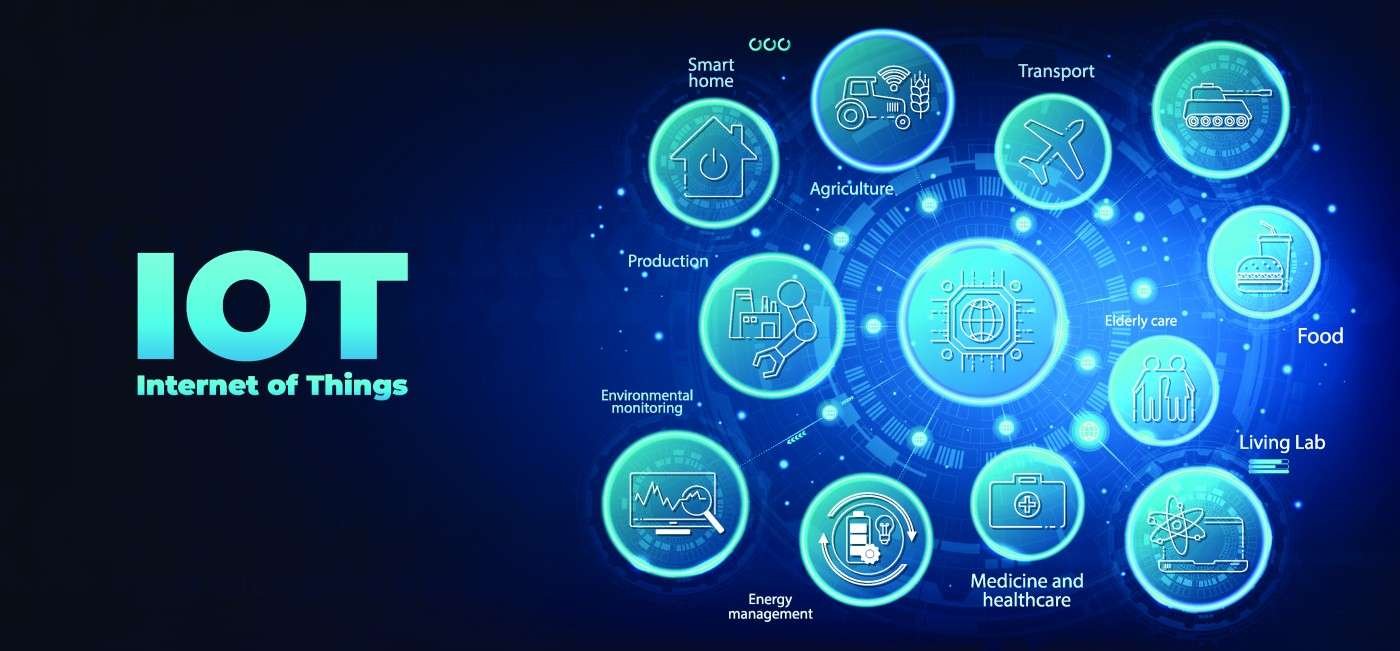
Manufacturing has entered a new phase of digital transformation. Across industries, businesses are moving beyond traditional production models and adopting connected technologies that improve efficiency, visibility, and decision-making. One of the most influential technologies driving this change is the Internet of Things (IoT).
IoT enables machines, sensors, equipment, and software systems to communicate with each other and exchange data in real time. This connectivity allows manufacturers to gain a deeper understanding of their operations and respond more effectively to changing conditions.
According to industry estimates, the Industrial Internet of Things market is expected to experience strong growth over the coming years as organisations continue investing in smart manufacturing initiatives. The ability to collect and analyse operational data is becoming a critical factor in maintaining competitiveness, reducing costs, and improving productivity.
Connected factories are at the center of this transformation. By combining IoT technology with custom software solutions, manufacturers can create intelligent environments that support better operational outcomes and long-term business growth.
Understanding the Connected Factory Concept
A connected factory is a manufacturing facility where machines, devices, sensors, and business systems are linked through a digital network. These connected assets continuously collect and share information, creating a real-time view of production activities.
In a traditional manufacturing environment, information is often gathered manually and reviewed after production has already taken place. This delay can make it difficult to identify problems before they affect productivity or product quality.
Connected factories eliminate many of these limitations by enabling continuous monitoring and automated data collection. Managers, operators, and maintenance teams can access current operational data instantly, allowing faster responses and more informed decisions.
The result is a manufacturing environment that is more efficient, transparent, and adaptable to changing business requirements.
Why Custom IoT Development Matters
Every manufacturing operation is unique. Different facilities use different machinery, production methods, workflows, and performance metrics. As a result, generic software solutions often fail to address specific operational needs.
Custom IoT development allows manufacturers to build systems designed around their existing infrastructure and business objectives. Instead of forcing processes to fit a standard platform, custom solutions adapt to the organization’s requirements.
This approach provides several advantages:
- Greater flexibility
- Better integration with existing systems
- Improved scalability
- Customized reporting and analytics
- Support for industry-specific workflows
By tailoring the technology to the operation, manufacturers can achieve higher levels of efficiency and maximise the value of their digital transformation investments.
Real-Time Monitoring for Better Operational Visibility
One of the most significant benefits of connected factories is real-time monitoring.
IoT sensors installed on machines and production equipment continuously gather information such as temperature, vibration, pressure, energy consumption, machine status, and production output. This data is transmitted to centralized dashboards where it can be monitored and analyzed.
Real-time visibility enables manufacturers to detect issues as they occur rather than discovering them after production has been affected.
For example, if a machine begins operating outside acceptable performance parameters, maintenance teams can be alerted immediately. Early intervention helps prevent equipment failures, reduces downtime, and minimizes production disruptions.
Access to real-time information also improves communication between departments by providing a shared view of factory operations.
Predictive Maintenance Reduces Downtime
Unexpected equipment failures remain one of the most costly challenges in manufacturing. Production interruptions can lead to missed deadlines, increased repair expenses, and lost revenue.
Connected factories use IoT technology to support predictive maintenance strategies. Instead of servicing equipment according to fixed schedules, manufacturers can monitor actual machine conditions and identify signs of potential failure before breakdowns occur.
Data collected from sensors is analyzed to detect patterns associated with wear, performance degradation, or abnormal behavior. Maintenance activities can then be scheduled proactively when they are most needed.
This approach offers several benefits:
- Reduced unplanned downtime
- Lower maintenance costs
- Improved equipment lifespan
- Better maintenance planning
- Increased operational reliability
Predictive maintenance helps organizations move from reactive problem-solving to proactive asset management.
Integrating Systems Across the Factory Floor
Manufacturing operations often rely on multiple software platforms, including enterprise resource planning systems, manufacturing execution systems, inventory management tools, and quality control applications.
Without integration, valuable information becomes trapped within separate systems, limiting visibility and creating inefficiencies.
Custom IoT solutions bridge these gaps by enabling seamless communication between connected devices and business platforms. Data can flow automatically across departments, ensuring that decision-makers have access to accurate and up-to-date information.
An experienced iot software development company can help manufacturers create integrated ecosystems where machine data, production information, inventory records, and business processes work together efficiently.
The result is a more connected organization with improved coordination and better operational control.
Improving Product Quality Through Data Insights
Maintaining consistent product quality is essential for manufacturing success. Even small variations in production conditions can impact final product performance and customer satisfaction.
Connected factories use IoT sensors to monitor quality-related variables throughout the manufacturing process. Data is collected continuously and compared against predefined standards.
When deviations occur, alerts can be generated automatically, allowing operators to take corrective action before defects spread through production.
Historical data analysis also helps manufacturers identify recurring quality issues and understand their root causes. These insights support ongoing process improvements and reduce the likelihood of future problems.
As a result, organizations can achieve higher quality standards while reducing waste and rework costs.
Energy Optimization and Sustainability
Energy consumption represents a major operating expense for many manufacturing facilities. Rising energy costs and increasing sustainability expectations have made energy efficiency a growing priority.
Connected factories provide detailed visibility into how energy is consumed across equipment, production lines, and facilities. IoT-enabled monitoring systems track usage patterns and identify opportunities for improvement.
Manufacturers can determine which machines consume the most energy, identify inefficiencies, and implement optimization strategies that reduce operational costs.
In addition to financial benefits, improved energy management supports environmental goals by reducing unnecessary resource consumption and lowering carbon emissions.
Data-driven sustainability initiatives are becoming increasingly important as businesses seek to balance profitability with responsible operations.
Using Analytics to Drive Better Decisions
Collecting data is only the first step. The real value comes from transforming that information into meaningful insights.
Advanced analytics platforms help manufacturers interpret operational data and identify opportunities for improvement. Custom dashboards can provide visibility into key performance indicators such as production efficiency, equipment utilization, downtime frequency, quality metrics, and maintenance performance.
These insights enable leaders to make informed decisions based on actual operational conditions rather than assumptions.
Analytics also supports continuous improvement efforts by revealing trends, identifying bottlenecks, and highlighting areas where additional optimization may be possible.
Organizations that effectively leverage manufacturing data are often better positioned to improve productivity and respond to market demands.
Building for Future Growth
Manufacturing environments continue to evolve as technologies, customer expectations, and market conditions change. Solutions implemented today must be capable of supporting future requirements.
Custom IoT development provides the scalability needed to accommodate growth. New devices, production lines, facilities, and business systems can be integrated as operational needs expand.
This flexibility allows manufacturers to build a strong digital foundation without worrying about outgrowing their technology investments.
A scalable connected factory strategy also creates opportunities to adopt emerging technologies such as artificial intelligence, machine learning, advanced automation, and digital twins in the future.
Conclusion
Connected factories are transforming modern manufacturing by creating environments where machines, systems, and people work together through real-time data and intelligent automation. From predictive maintenance and quality improvement to energy optimization and operational visibility, IoT-driven solutions help manufacturers achieve greater efficiency and better business outcomes.
As manufacturing becomes increasingly data-driven, organizations that invest in tailored connectivity solutions are better equipped to adapt to changing market demands, improve productivity, and support long-term growth. Custom IoT development provides the flexibility, scalability, and insight needed to build smarter factories that are prepared for the future.
