

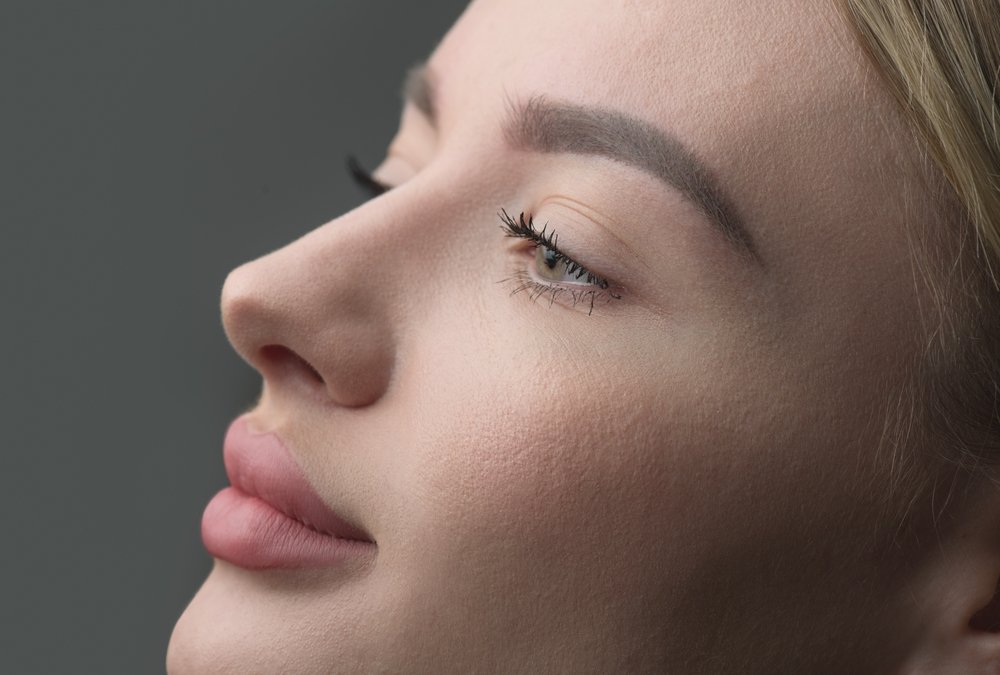
Choosing to change the shape or function of your nose is a major personal decision. Rhinoplasty is one of the most popular facial cosmetic procedures because it can improve both appearance and breathing. However, achieving good results depends greatly on selecting the right specialist for the procedure.
Finding a qualified rhinoplasty surgeon in dubai requires careful research, patience, and attention to detail. With many experienced professionals offering nose surgery, patients should understand what factors matter most before making a final decision.
This guide explains the important steps that can help you choose the right surgeon and feel more confident throughout your rhinoplasty journey.
Understanding Rhinoplasty
Before searching for a surgeon, it is important to understand what rhinoplasty involves.
Rhinoplasty, commonly known as a nose job, is a surgical procedure that changes the shape, size, or structure of the nose. Some people choose it for cosmetic reasons, while others seek treatment to improve breathing problems caused by structural issues.
Common reasons for rhinoplasty include:
- Reducing the size of the nose
- Refining the nasal tip
- Straightening a crooked nose
- Removing a nasal hump
- Correcting asymmetry
- Improving breathing function
- Repairing damage caused by injury
Because the nose is located in the center of the face, even small changes can significantly affect facial balance and appearance.
Why Choosing the Right Surgeon Matters
Rhinoplasty is considered one of the most technically challenging cosmetic surgeries. Every nose is different, and every patient has unique facial features and goals.
A skilled surgeon does more than simply reshape the nose. They carefully evaluate facial proportions, skin thickness, nasal structure, and breathing function before creating a personalized surgical plan.
Choosing the wrong surgeon may result in:
- Unnatural appearance
- Breathing difficulties
- Facial imbalance
- Unsatisfactory results
- Need for revision surgery
This is why selecting the right specialist should be one of the most important parts of your rhinoplasty journey.
Step 1: Verify Qualifications and Credentials
The first step is checking the surgeon’s qualifications.
Patients should ensure that the surgeon has proper training in facial plastic surgery, plastic surgery, or related specialties. Professional education and advanced surgical training demonstrate that the surgeon has developed the skills required for complex procedures like rhinoplasty.
Look for:
- Medical degree from a recognized institution
- Specialized surgical training
- Relevant certifications
- Professional memberships
- Ongoing education and training
Well-qualified surgeons continually update their knowledge and techniques to provide safe and effective treatments.
Step 2: Look for Rhinoplasty Experience
Experience is one of the most important factors when selecting a surgeon.
Not all cosmetic surgeons perform rhinoplasty regularly. Since nose surgery is highly specialized, patients should seek a surgeon who performs rhinoplasty frequently.
Ask questions such as:
- How many rhinoplasty procedures do you perform each year?
- How long have you been performing rhinoplasty?
- Do you perform revision rhinoplasty?
- Have you treated cases similar to mine?
A surgeon with extensive rhinoplasty experience is more likely to understand different nasal structures and surgical challenges.
Step 3: Review Before-and-After Photos
Before-and-after photographs can provide valuable insight into a surgeon’s work.
These images help patients evaluate:
- Surgical consistency
- Natural-looking outcomes
- Facial harmony
- Different nose types treated
- Results for patients with similar features
When reviewing photos, focus on whether the results appear balanced and natural rather than dramatically altered.
The goal of rhinoplasty is usually enhancement rather than creating an entirely different face.
Step 4: Read Patient Reviews and Testimonials
Patient experiences can offer useful information about the overall treatment process.
Online reviews may provide details about:
- Communication quality
- Professionalism
- Consultation experience
- Recovery support
- Satisfaction with results
While no surgeon will have perfect reviews, a consistent pattern of positive feedback can indicate a strong reputation.
Pay attention to comments about patient care, transparency, and realistic expectations.
Step 5: Schedule a Personal Consultation
A consultation is one of the most important steps when choosing a surgeon.
During this appointment, the surgeon evaluates your nose and discusses your goals. This meeting also gives you the opportunity to assess whether you feel comfortable with the surgeon.
A quality consultation should include:
- Detailed facial assessment
- Discussion of medical history
- Explanation of available techniques
- Review of expected outcomes
- Discussion of risks and recovery
You should never feel rushed during the consultation process.
Step 6: Evaluate Communication Skills
Good communication plays a major role in achieving successful results.
The surgeon should listen carefully to your concerns and explain procedures in simple language. They should answer questions honestly and provide realistic expectations.
A good surgeon will:
- Listen attentively
- Explain risks clearly
- Discuss limitations
- Encourage questions
- Avoid making unrealistic promises
Patients often feel more confident when they understand every aspect of the procedure.
Step 7: Discuss Your Goals Clearly
Every patient has unique expectations.
Some individuals want subtle refinement, while others seek more noticeable changes. The surgeon should fully understand your goals before recommending a treatment plan.
Helpful topics to discuss include:
- Desired appearance
- Functional concerns
- Breathing issues
- Previous nasal injuries
- Specific features you wish to improve
Clear communication helps create a shared understanding between patient and surgeon.
Step 8: Ask About Surgical Techniques
Modern rhinoplasty includes several techniques that may be used depending on the patient’s needs.
Common approaches include:
Open Rhinoplasty
This technique involves a small incision between the nostrils, allowing greater visibility during surgery.
Benefits include:
- Improved surgical access
- Precise reshaping
- Better visualization of nasal structures
Closed Rhinoplasty
All incisions are made inside the nose.
Benefits include:
- No visible external scar
- Reduced swelling in some cases
- Faster healing for selected patients
The appropriate technique depends on individual anatomy and treatment goals.
Step 9: Understand the Recovery Process
Recovery is an important part of the rhinoplasty journey.
A responsible surgeon will explain:
- Recovery timeline
- Swelling expectations
- Activity restrictions
- Follow-up appointments
- Long-term healing process
Most patients experience swelling and bruising during the initial recovery period. While many return to normal activities within a few weeks, final results may continue developing over several months.
Understanding the recovery process helps patients prepare physically and emotionally.
Step 10: Assess Safety Standards
Patient safety should always be a top priority.
Ask about:
- Surgical facility standards
- Emergency protocols
- Infection prevention measures
- Anesthesia procedures
- Post-operative monitoring
High-quality surgical environments contribute significantly to patient safety and successful outcomes.
Step 11: Consider Revision Rhinoplasty Expertise
Even with excellent planning, some patients may require revision surgery.
Revision rhinoplasty is often more complex than primary rhinoplasty because scar tissue and previous surgical changes can create additional challenges.
A surgeon experienced in revision cases demonstrates advanced knowledge of nasal anatomy and reconstruction techniques.
Even if you are seeking your first rhinoplasty, it can be beneficial to choose a surgeon with revision experience.
Step 12: Compare Multiple Consultations
Meeting more than one surgeon can help you make an informed decision.
Comparing consultations allows you to evaluate:
- Communication style
- Treatment recommendations
- Surgical philosophy
- Comfort level
- Overall confidence
Choosing a surgeon should never be based solely on convenience or marketing.
Take time to compare options carefully before making your final decision.
Step 13: Focus on Natural Results
One of the most common goals of modern rhinoplasty is achieving a natural appearance.
The best outcomes often:
- Complement facial features
- Maintain ethnic identity
- Preserve natural expressions
- Improve overall facial balance
Patients should be cautious of surgeons who promise perfection or dramatic transformations that may not suit their facial structure.
Natural-looking results often provide the highest long-term satisfaction.
Common Questions to Ask During Your Consultation
Preparing questions before your appointment can help you gather important information.
Consider asking:
- Am I a good candidate for rhinoplasty?
- Which technique would you recommend?
- What results can I realistically expect?
- How long will recovery take?
- What risks should I know about?
- How often do you perform rhinoplasty?
- What happens if revision surgery becomes necessary?
Detailed answers can help you make a more confident decision.
Red Flags to Watch For
Patients should be cautious if they encounter any of the following:
- Unrealistic promises
- Pressure to book immediately
- Lack of before-and-after photos
- Poor communication
- Incomplete explanations of risks
- Limited rhinoplasty experience
- Unclear pricing information
Trust and transparency are essential when choosing a surgeon.
Final Thoughts
Finding the right rhinoplasty surgeon in Dubai requires careful research, multiple consultations, and thoughtful consideration. The ideal surgeon combines experience, technical skill, strong communication, and a commitment to patient safety.
Rather than focusing solely on cost or convenience, patients should prioritize qualifications, experience, natural-looking results, and a clear understanding of the treatment process. Taking the time to make an informed decision can significantly improve both the surgical experience and the final outcome.
For individuals considering rhinoplasty, consulting with Dr. Jerome Paris can be an important step toward understanding available treatment options and determining the most suitable approach for their personal goals.
