

Helicopters rely on every structural section to remain strong, stable, and flight ready. Among these critical areas, the tail boom plays a major role in maintaining balance and supporting essential flight components. Damage to this structure affects safety, performance, and aircraft longevity. For operators and maintenance teams, understanding repair and replacement processes helps support better maintenance decisions.
Experience gained by a military helicopter mechanic often highlights how important tail boom integrity remains throughout an aircraft’s service life. Military maintenance environments place strong emphasis on structural inspections, early damage detection, and timely corrective action. Those same principles apply across civilian helicopter operations.
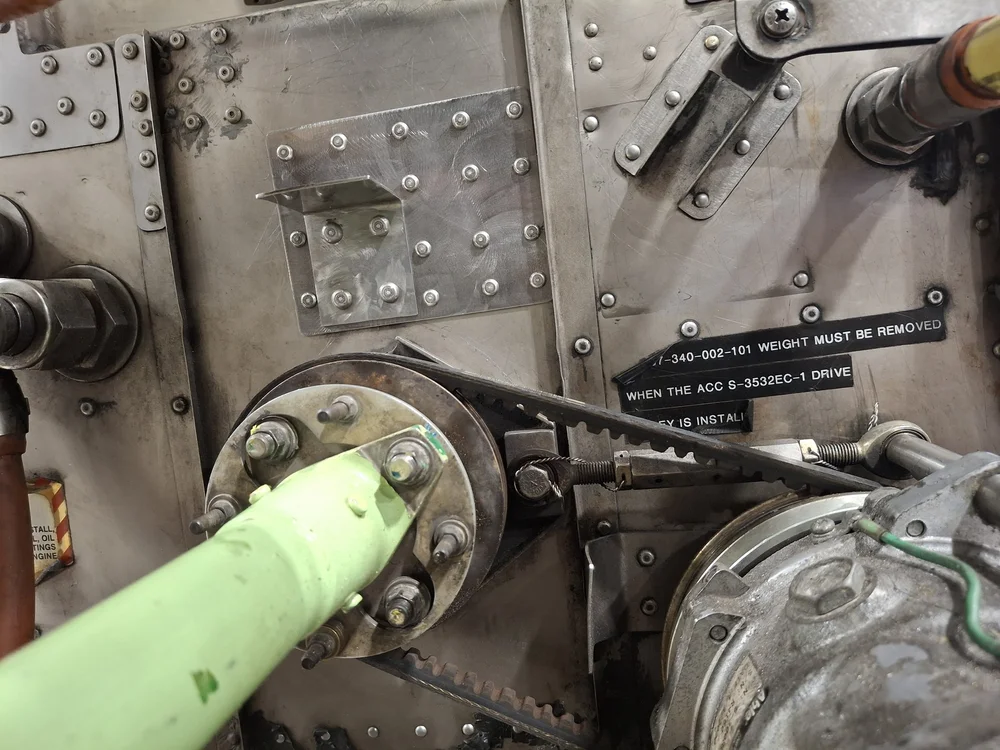
What Is a Tail Boom and Why Does It Matter?
A tail boom is a long structural section extending from the helicopter’s fuselage to the tail assembly. It supports components such as tail rotor systems, drive shafts, wiring, control linkages, and stabilizers. Since this section experiences vibration, aerodynamic forces, and environmental exposure during every flight, structural integrity remains essential.
Even minor structural concerns deserve attention because damage often spreads over time. Maintenance teams need to inspect tail booms regularly to identify cracks, corrosion, dents, loose fittings, and other conditions that may affect performance.
Common Causes of Tail Boom Damage
Tail boom damage develops from several operational and environmental factors. Some issues appear suddenly, while others progress gradually over many years.
Corrosion Exposure
Moisture, salt air, chemicals, and humidity contribute to corrosion. Corrosion weakens metal surfaces and reduces structural strength if maintenance personnel do not address it promptly.
Many maintenance programs include inspections and component overhaul services to identify corrosion before it reaches a critical stage. Early intervention usually reduces repair complexity and operational downtime.
Fatigue Cracking
Helicopters experience constant vibration throughout flight operations. Repeated stress cycles eventually create fatigue cracks around fasteners, fittings, and structural joints.
Small cracks may appear insignificant at first. Yet they often expand under continued operational loads. Maintenance personnel need to monitor these areas carefully during scheduled inspections.
Ground Handling Incidents
Ground support equipment, towing operations, hangar movements, and accidental impacts occasionally damage tail boom structures. Visible dents may indicate hidden structural concerns beneath the surface.
Even when external damage appears minor, technicians should perform detailed inspections to determine whether internal structural members remain intact.
Signs a Tail Boom Requires Attention
Structural issues rarely appear without warning. Several indicators suggest a helicopter needs a detailed tail boom inspection.
These signs include:
- Visible cracks around rivets or joints.
- Corrosion spots or metal deterioration.
- Distorted panels.
- Loose structural fasteners.
- Unusual vibration during operation.
- Misalignment of tail components.
- Damage from impact events.
A skilled military helicopter mechanic often recognizes subtle warning signs before they evolve into larger structural problems. Early detection supports safer operations and reduces long-term repair costs.
Tail Boom Inspection Procedures
Effective inspections form the foundation of every successful repair project. Maintenance personnel evaluate both external and internal structures before developing a repair strategy.
Visual Examination
Visual inspections identify obvious concerns such as corrosion, dents, cracks, missing fasteners, and surface damage. Technicians document findings and compare them with maintenance records.
Visual inspections also help determine whether additional testing methods become necessary.
Non-Destructive Testing
Many structural evaluations involve non-destructive testing techniques. These methods help locate hidden defects without causing further damage.
Common inspection techniques include:
- Eddy current testing.
- Ultrasonic testing.
- Dye penetrant inspection.
- Magnetic particle inspection where applicable.
These procedures provide valuable information regarding crack length, material condition, and structural integrity.
Structural Assessment
After inspections conclude, maintenance teams assess whether repair or replacement represents the most practical solution.
In many situations, component overhaul services help restore affected assemblies while preserving serviceable structural sections. This approach often balances cost efficiency with operational reliability.
When Tail Boom Repairs Make Sense?
Not every damaged tail boom requires full replacement. Repair solutions remain effective when damage stays within approved limits and structural integrity remains restorable.
Repair procedures may include:
- Crack removal and reinforcement.
- Structural splice installation.
- Bulkhead repairs.
- Corrosion removal.
- Panel replacement.
- Fitting replacement.
- Reinforcement of affected sections.
Repair work follows approved maintenance data and engineering requirements. Each repair needs to restore structural strength while maintaining compliance with applicable standards.
Experienced technicians understand that successful repairs depend on proper planning, accurate measurements, and quality workmanship.
Situations That Require Tail Boom Replacement
Some damage exceeds repair limits. In those cases, replacement becomes the safest and most practical option.
Replacement may become necessary when:
- Corrosion affects extensive structural areas.
- Multiple structural members show damage.
- Previous repairs reach allowable limits.
- Severe impact damage alters alignment.
- Structural integrity no longer meets requirements.
A military helicopter mechanic often encounters strict replacement criteria throughout military aviation environments. Similar standards help civilian operators maintain safe and reliable aircraft.
Replacement projects involve removing damaged structures, installing replacement assemblies, verifying alignment, and completing extensive inspections before returning aircraft to service.
Challenges During Tail Boom Replacement
Tail boom replacement requires precision and attention to detail. Every structural component interacts with surrounding systems.
Maintenance teams need to address:
Alignment Accuracy: Even slight alignment deviations may affect flight characteristics and component wear. Accurate measurements remain critical throughout installation.
System Integration: Tail booms house numerous systems, including drive shafts, wiring bundles, control linkages, and support structures. Technicians must reconnect and inspect each system carefully.
Structural Verification: After installation, maintenance personnel perform inspections to confirm structural integrity and compliance with maintenance requirements.
Many operators combine replacement projects with component overhaul services to improve overall aircraft condition and reduce future maintenance interruptions.
How Preventive Maintenance Reduces Tail Boom Repairs?
Preventive maintenance remains one of the most effective ways to reduce structural damage. Regular inspections identify issues before they become major repairs.
Operators benefit from maintenance practices such as:
- Routine corrosion inspections.
- Protective coating maintenance.
- Timely crack repairs.
- Proper storage procedures.
- Scheduled structural assessments.
- Detailed maintenance documentation.
These practices support aircraft longevity while helping maintenance teams address concerns at an earlier stage.
The Role of Experience in Structural Repairs
Structural repair work demands technical knowledge, practical experience, and careful attention to detail. Aircraft structures operate under significant stress, making precision essential during every repair process.
Many professionals with backgrounds as a military helicopter mechanic develop strong expertise in structural inspections, damage assessment, and repair execution. Their experience often reflects rigorous maintenance standards focused on safety and mission readiness.
Knowledge gained through years of structural repair work helps technicians identify root causes, evaluate repair options, and deliver reliable maintenance solutions.
Looking Ahead: Maintaining Long-Term Structural Integrity
As helicopters continue accumulating flight hours, structural inspections become increasingly important. Aging aircraft often require more detailed evaluations and proactive maintenance strategies.
Tail booms remain exposed to operational loads throughout every flight. Consistent inspections, timely repairs, and appropriate replacement decisions help preserve structural integrity and support safe operations.
Maintenance teams that combine routine inspections with component overhaul services often achieve better long-term reliability. A proactive approach reduces unexpected downtime and supports continued aircraft performance across demanding operating environments.
Conclusion
Tail boom repairs and replacements play a vital role in maintaining helicopter safety, performance, and structural reliability. Understanding common damage sources, inspection methods, repair procedures, and replacement considerations helps operators make informed maintenance decisions.
Lessons often associated with a military helicopter mechanic emphasize the value of early inspections, precise repairs, and disciplined maintenance practices. By prioritizing structural health and addressing concerns promptly, helicopter operators support longer service life, improved reliability, and safer flight operations.
