

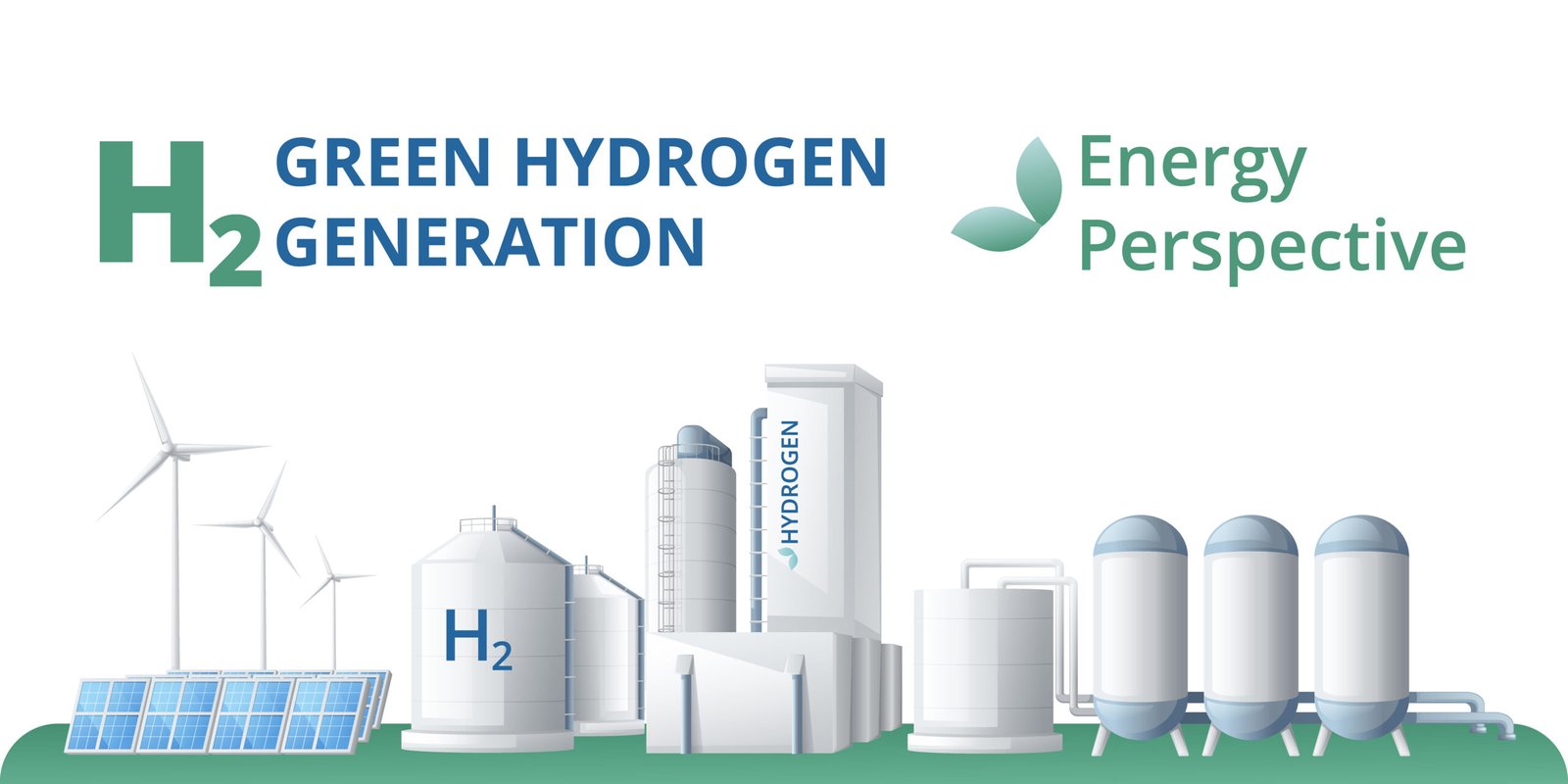
The world’s energy systems are changing fast. Clean energy discussions have for the most part revolved around solar panels and wind turbines. However, a new individual has entered the scene and is gradually taking over the spotlight from various sectors, money, and governments. The new clean energy source is not very fancy, it is invisible when it burns, and it may be the last required component for reaching the goal of zero-carbon energy.
That contender is hydrogen. But not just any kind of hydrogen.
Understanding the Hydrogen Spectrum: Breaking Down Hydrogen Types
Today most hydrogen is made from natural gas using steam methane reforming. This “grey” hydrogen still puts out a lot of CO2. Some try to cut down these emissions with “blue” hydrogen, but the methods are far from perfect. Then there’s Green Hydrogen created by breaking water molecules apart with power from renewable sources. It produces no carbon at all offering clean and simple energy.
The idea is simple. Batteries can’t handle everything. In areas like heavy industry long-haul transport, aviation, and steel production, hydrogen takes over. A cargo ship powered only by lithium-ion batteries won’t be able to make it over the Pacific Ocean. Approximately one-third of the total global emissions comes from these sectors and they are still the hardest to declutter.
The Shift in Economics
Expense has been the biggest issue. For years renewable hydrogen cost too much compared to fossil fuels. But that’s beginning to shift:
- The cost of renewable energy has dropped by more than 80% over the past ten years.
- Electrolyzer tech is improving while production is increasing.
- Governments are offering incentives to boost the competitiveness of clean energy options.
- Mass production is making things cheaper as scaling up continues.
According to experts, clean hydrogen might reach the same cost as grey hydrogen in 2030 in places where renewable energy is cheap. The European Union has made a commitment to develop 40 gigawatts of electrolyzer power by the year 2030. Japan is proactively working towards the establishment of a hydrogen-based economy. Australia is positioning itself to dominate the market as one of the largest hydrogen exporters while still being the leading country in this global race.
The Hard Truth: Challenges Await
Let’s talk about the challenges here. The required infrastructure has not been set up yet. Storing and transporting hydrogen is difficult. It is the smallest molecule in the universe and often escapes.
The establishment of new infrastructure requires a lot of financial resources and time. In addition, the production of green renewable hydrogen in large quantities will need huge amounts of energy generated from renewable sources. We also need to standardize safety rules and build proper supply chains. These are not easy problems to solve but they aren’t impossible either.
Advances in Hydrogen Technologies
Some areas are already moving past the testing phase:
Transportation Industry Several European nations are trying out hydrogen-powered trains on routes where electric trains don’t make sense. Shipping companies are also working on hydrogen-ready ships that they plan to introduce in the coming years.
Heavy Industry Industrial plants are mixing hydrogen with natural gas in current supplies as a temporary step. In the process of making steel, some producers are experimenting with hydrogen-powered methods to become less dependent on coal.
Energy Storage Hydrogen is a method of energy storage that batteries cannot offer. The additional renewable energy generated in summer can be converted into hydrogen and used as a power source during winter when the demand is high.
Such hydrogen technologies are no longer just ideas of the distant future. People are using, improving, and experimenting with it.
The Versatility Advantage
Hydrogen stands out because of how adaptable it is. The same energy source can run a city bus warm a house, create fertilizer, or help make steel. This broad usefulness makes hydrogen stand apart from other methods that work in specific ways.
What Lies Ahead
Scaling up won’t happen right away. This shift will take years unfolding over a few decades. Early users will deal with higher expenses and technical challenges along the way. Yet, progress is already happening. Nowadays, practically every major energy company has a hydrogen strategy. The technology, on the other hand, continues to keep its cost down.
Taking a wide view, hydrogen is gradually coming to the point where one can consider it less a risky bet and more a major factor in future energy solutions. The main issue is no longer whether hydrogen will play an important role in the clean energy transition but rather how quickly it can develop and where in the world the leading regions will be.
Leadvent Helps Spark the Energy Discussion
At Leadvent, we are aware that the right people meeting at the right moment will bring about big changes. The progress in clean energy is not only dependent on technology but also on people communicating, collaborating, and having common objectives. We hold the expertise of handling high-quality rare events that gather the ones, taking the renewable energy direction: inventors, funders, and executives. We are the facilitators who turn the thoughts into deeds and provide the collaborations that are impactful through the sharing of good ideas.
FAQs
Q1. What sets green renewable hydrogen apart from regular hydrogen?
Green renewable hydrogen is the result of the renewable energy utilization through electrolysis of water, with no carbon emissions being produced. Conventional hydrogen is derived from natural gas, which emits a large amount of CO2 during its production. The major disparity is in the method of production—the hydrogen is identical in both cases.
Q2. Why not just use batteries for everything instead of hydrogen?
Batteries do a good job powering things like passenger cars or short trips. However, they don’t work well for industries like aviation heavy manufacturing, or shipping across long distances. Their weight and limited energy make them less suitable. Hydrogen can hold and move larger amounts of energy, which helps in sectors that are harder to make eco-friendly.
Q3. When will green hydrogen become cheap enough to use?
Specialists predict that in the year 2030 in regions with abundant inexpensive renewable energy, green hydrogen may be as cheap as the hydrogen generated from fossil fuels. For it to be affordable globally, there will need to be a reduction in renewable energy prices and a much larger production capacity within approximately ten years.
