

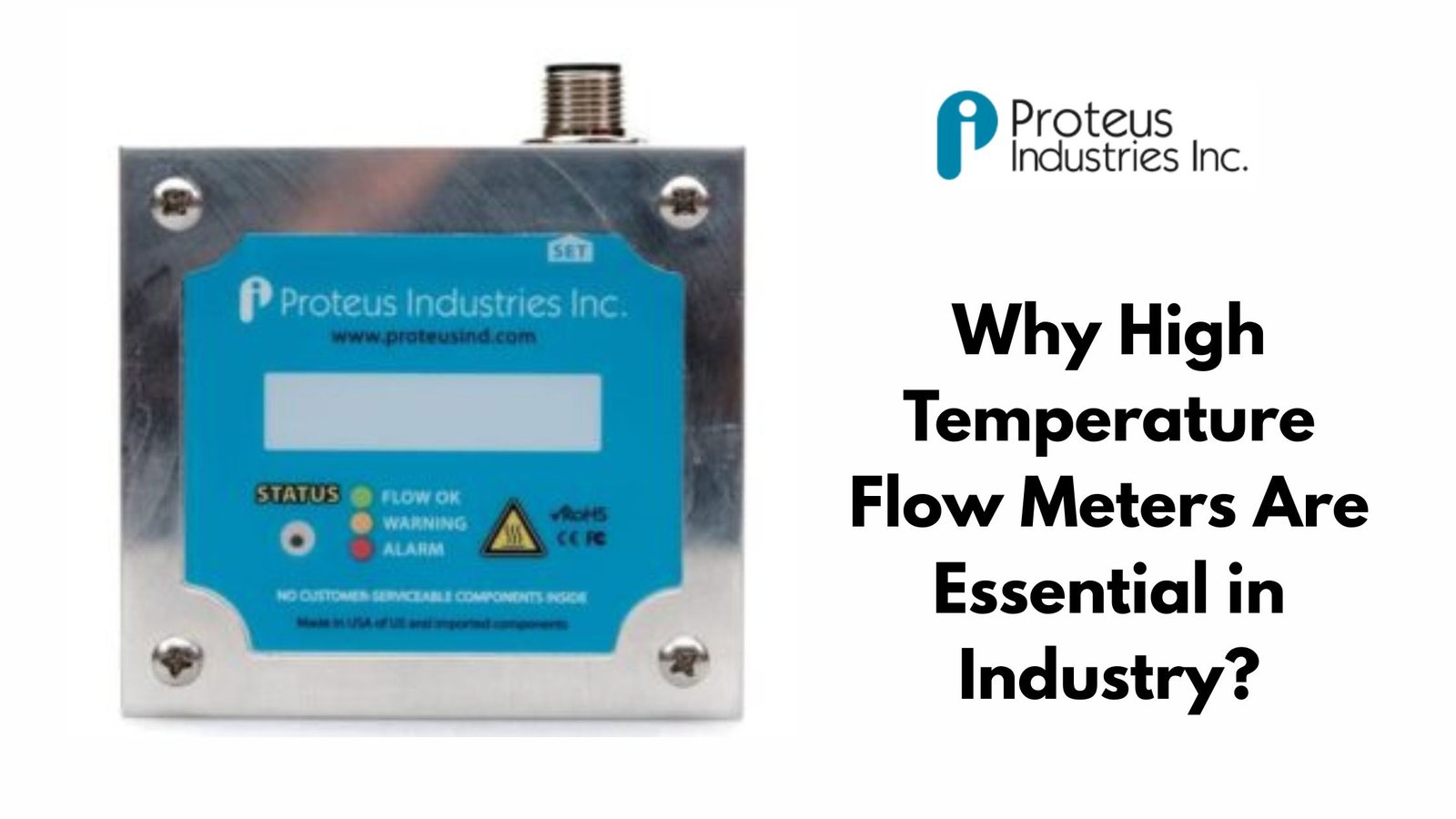
Accurate flow measurement plays a critical role in industrial processes, directly impacting safety, efficiency, and product quality. In industries where fluids such as steam, molten materials, or hot gases are involved, maintaining precise control becomes even more challenging. Extremely high temperatures can damage standard measuring devices, leading to inaccurate readings, system inefficiencies, or equipment failure. This is where high temperature flow meters become essential. Designed to withstand harsh thermal conditions, these specialized instruments ensure reliable performance even in demanding environments. This article explores what high temperature flow meters are, the challenges they address, their key benefits, major industrial applications, different types available, and important factors to consider when selecting the right solution.
What Are High Temperature Flow Meters?
High temperature flow meters are specialized instruments designed to measure the flow rate of liquids, gases, or steam operating at elevated temperatures. Their basic working principle depends on the meter type, such as detecting pressure changes, vortex formation, electromagnetic signals, or ultrasonic waves. In industrial settings, temperatures above 200°C are generally considered high, with some applications exceeding 500 °C. Unlike standard flow meters, high temperature flow meters use heat-resistant materials and advanced sensor designs to maintain accuracy and durability. They are engineered specifically to handle thermal stress without compromising measurement reliability or system safety.
Challenges of Flow Measurement at High Temperatures
Measuring flow at high temperatures presents several technical challenges. Thermal expansion can cause materials to deform, leading to mechanical stress and inaccurate readings. Prolonged exposure to heat may degrade sensors, reduce sensitivity, and shorten equipment lifespan. High temperatures also increase safety risks, as equipment failures can lead to leaks, pressure loss, or hazardous working conditions. Additionally, standard seals, electronics, and housing materials may fail under extreme heat. These challenges make it essential to use flow meters designed with specialized materials, insulation, and robust construction to ensure consistent performance in high-temperature environments.
Why High Temperature Flow Meters Are Important in Industry?
High temperature flow meters are essential because they ensure accurate and reliable process control in demanding industrial operations. Precise flow measurement helps maintain optimal operating conditions, leading to improved efficiency and constant product quality. In high-risk environments, such as steam systems or chemical processing plants, these meters enhance safety by preventing overheating, pressure imbalances, and system failures. They also help reduce downtime by minimizing equipment damage and maintenance requirements. Furthermore, accurate flow data supports compliance with industrial regulations and quality standards, making high temperature flow meters a critical component of modern industrial systems.
Key Industries That Rely on High Temperature Flow Meters
Many industries depend on high-temperature flow meters for safe and efficient operations. In power generation, they are widely used to monitor steam and thermal systems. Oil and gas refineries rely on them for high-temperature fluid and gas measurement in processing units. Chemical and pharmaceutical industries use them to maintain precise control during heat-intensive reactions. Metal, steel, and glass manufacturing require accurate flow monitoring of molten materials and hot gases. Even food processing industries use high temperature flow meters in baking, sterilization, and pasteurization processes where high heat is involved.
Key Features to Look for in High Temperature Flow Meters
When selecting high temperature flow meters, temperature tolerance and pressure rating are critical factors. The materials used, such as stainless steel, special alloys, or ceramics, must withstand thermal stress and corrosion. Accuracy and repeatability are essential for reliable process control. Ease of installation and maintenance can significantly affect long-term operational costs. Additionally, modern flow meters should provide compatible output signals and seamless integration with control systems, such as PLCs or SCADA systems, for real-time monitoring and automation.
Benefits of Using High Temperature Flow Meters
Using high temperature flow meters provides consistent measurement accuracy even in harsh operating conditions. Their rugged design ensures a longer service life, reducing the need for frequent replacements. Accurate flow monitoring helps minimize energy waste, leading to lower operational costs and improved efficiency. These meters also support advanced process automation, enabling better monitoring, data analysis, and predictive maintenance. Overall, they contribute to safer operations and more reliable industrial performance.
How to Choose the Right High Temperature Flow Meter?
Choosing the right high temperature flow meter starts with understanding your process temperature and pressure limits. The type of fluid, whether liquid, gas, or steam, also plays a crucial role in selection. Required accuracy, flow range, and response time should match your operational needs. Environmental factors such as vibration, space constraints, and installation orientation must be considered. Finally, evaluating budget constraints alongside long-term maintenance and reliability helps ensure a cost-effective and durable solution.
Conclusion
High temperature flow meters are critical for industries operating under extreme thermal conditions. They ensure accurate measurement, enhance safety, improve efficiency, and support regulatory compliance. By withstanding high heat where standard devices fail, these meters play a vital role in maintaining productivity and system reliability. Selecting the right high temperature flow meter based on application requirements, fluid type, and operating conditions is essential for long-term industrial success.
