

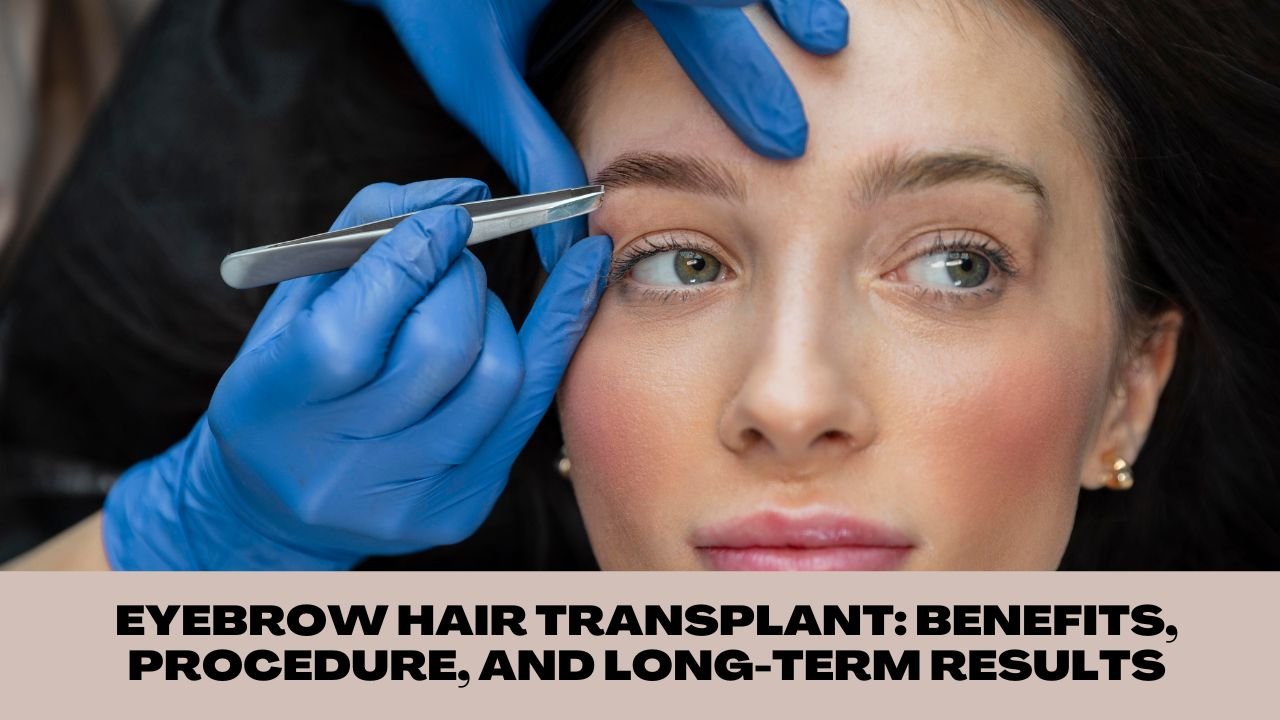
Well-defined eyebrows play a powerful role in shaping facial expressions and overall appearance. Over time, factors such as genetics, excessive plucking, hormonal changes, medical conditions, or trauma can cause eyebrows to thin or stop growing altogether. For many people, this change affects confidence just as much as it affects appearance. While makeup and cosmetic tattoos offer temporary fixes, they don’t truly restore natural hair growth. As aesthetic medicine continues to evolve, surgical solutions have become more refined, predictable, and natural-looking. Among these options, an eyebrow hair transplant has emerged as a reliable choice for individuals seeking permanent eyebrow restoration without relying on daily cosmetic routines.
Understanding What an Eyebrow Hair Transplant Involves
An eyebrow hair transplant is a minimally invasive surgical approach that uses a patient’s own hair to recreate fuller, well-shaped eyebrows. Hair follicles are usually harvested from areas like the back of the scalp, where hair growth is strong and consistent. These follicles are then carefully implanted into the eyebrow region, following the natural movement and angle of eyebrow hair growth.
What makes this procedure unique is the level of precision involved. Unlike scalp hair, eyebrow hair grows at a very shallow angle and follows a distinct pattern. Surgeons must meticulously place each follicle to ensure the final result looks natural rather than artificial. This attention to detail is one reason the eyebrow transplant has gained popularity among those seeking subtle yet noticeable improvements.
Who Can Benefit from This Procedure
People consider eyebrow restoration for many different reasons. Some have naturally sparse brows, while others experience hair loss due to ageing, medical treatments, burns, or overplucking in earlier years. An eyebrow transplant can be suitable for both men and women in good overall health who have sufficient donor hair.
It’s also a preferred option for individuals who want to avoid the ongoing maintenance of microblading or cosmetic tattooing. Because the transplanted hair is real, it responds naturally to grooming and ageing, creating a more authentic appearance over time.
The Step-by-Step Procedure Explained
The process typically begins with a thorough consultation. During this stage, the desired eyebrow shape, thickness, and symmetry are discussed. The surgeon also evaluates donor hair quality and designs a customised plan.
On the day of the procedure, local anaesthesia is used to ensure comfort. Hair follicles are extracted individually using advanced techniques and then implanted one by one into the eyebrow area. The placement process is time-intensive, but it’s crucial for achieving realistic results. The entire session can take several hours, depending on the number of grafts required.
An eyebrow transplant usually does not require hospitalisation, and patients can return home the same day.
Recovery and Aftercare Expectations
Recovery is generally straightforward. Mild swelling, redness, or scabbing around the eyebrow area is common during the first few days. Most people can resume regular activities within a week. The transplanted hairs may initially shed within a few weeks, which is a normal part of the growth cycle.
New eyebrow hair typically begins to grow after three to four months. Because these hairs originate from the scalp, they may produce slightly longer than natural eyebrow hair and will require occasional trimming. With proper care, the results of an eyebrow transplant continue to improve over time.
Long-Term Results and What Makes Them Last
One of the most appealing aspects of this procedure is its permanence. Once the transplanted follicles establish themselves, they continue to grow for a lifetime. Unlike temporary cosmetic solutions, there’s no need for frequent touch-ups or replacements.
The outcome usually becomes fully visible within 9 to 12 months. At this stage, patients enjoy fuller, symmetrical eyebrows that enhance facial balance. Because the procedure uses the patient’s own hair, the risk of rejection is extremely low. These long-lasting benefits make an eyebrow transplant a worthwhile consideration for those seeking a natural solution.
Why Expertise Matters in Eyebrow Restoration
The success of eyebrow restoration depends heavily on the surgeon’s skill and understanding of facial aesthetics. The direction, density, and placement of each hair follicle are crucial to achieving a realistic result. Clinics with specialised experience in hair restoration understand these nuances and apply advanced techniques to ensure consistency and precision.
Facilities such as Beverly Hills Hair Restoration in Palm Desert are known for combining medical expertise with aesthetic planning, helping patients achieve results that align with their facial structure rather than a one-size-fits-all approach.
Final Thoughts on Choosing an Eyebrow Hair Transplant
Deciding to restore eyebrows is a personal journey that blends cosmetic goals with emotional well-being. An eyebrow transplant offers a permanent, natural-looking option for individuals who want to move beyond temporary fixes. With realistic expectations, proper aftercare, and an experienced medical team, the results can be transformative.
For those who value subtle enhancement over dramatic change, this procedure provides an opportunity to regain confidence through naturally fuller brows. As techniques continue to advance, eyebrow restoration remains one of the most precise and rewarding procedures in modern aesthetic medicine.
