

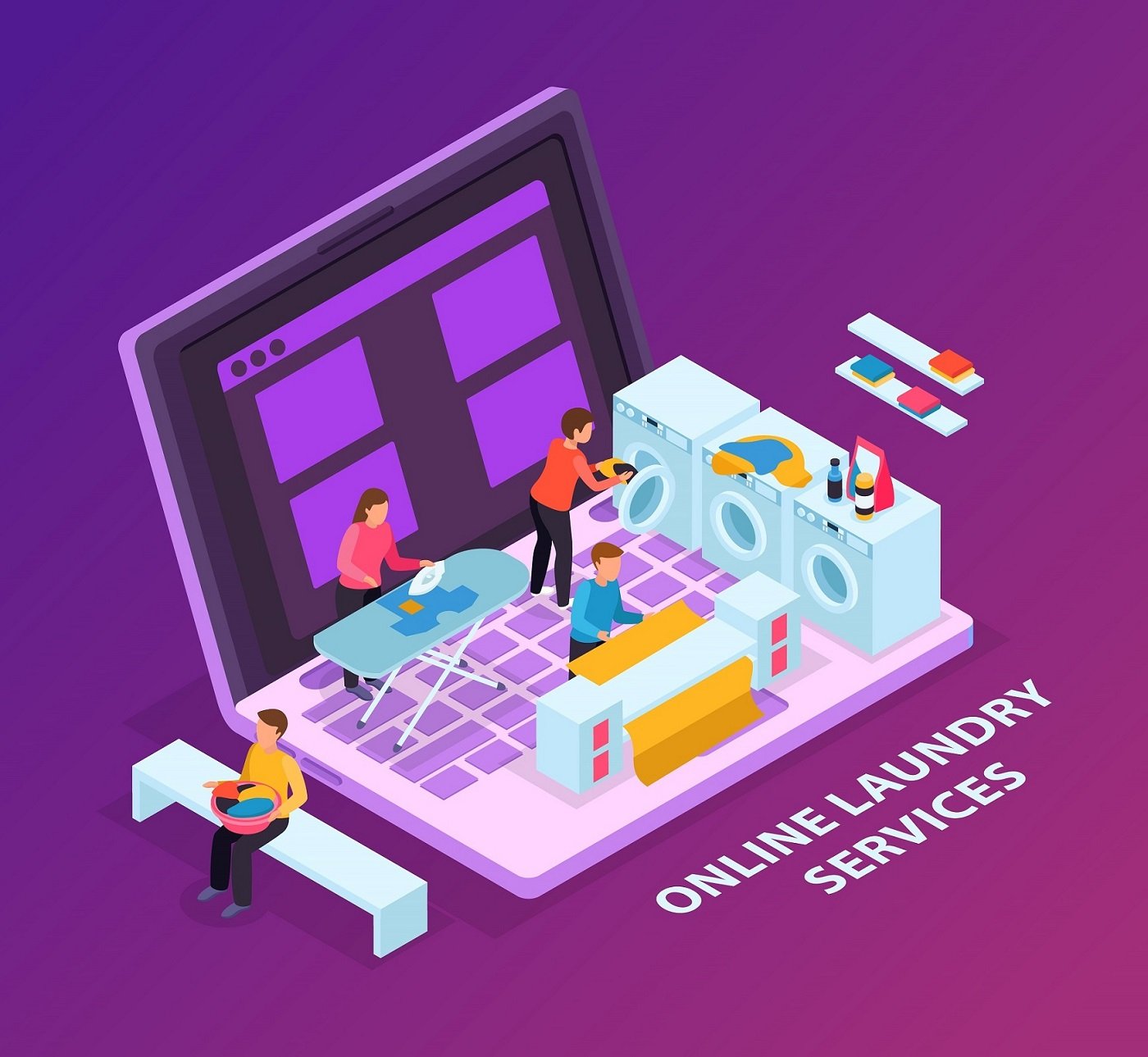
Understanding the Shift Toward Digital Laundry Delivery Solutions
In recent years, laundry businesses have undergone a remarkable transformation. Once dependent on walk-in customers and manual operations, the industry is now embracing mobile-first systems that simplify tasks, automate processes, and elevate customer convenience. Laundry delivery app development has become a strategic powerhouse for entrepreneurs, laundromats, and large-scale laundry chains that aim to operate more efficiently while offering a seamless customer experience.
Customers today expect on-demand convenience similar to ride-sharing or food delivery services. With a single tap, they want to schedule pickups, track orders, pay online, and receive their neatly folded clothes without any friction. This shift in consumer behavior has motivated laundry service providers to digitize their operations to meet rising expectations and stay competitive.
A modern laundry delivery app is not simply a digital storefront; it’s a full ecosystem that supports customers, drivers, laundry facilities, and administrators. It centralizes operations, minimizes human error, and provides data insights to help businesses scale faster. Whether you’re launching a new laundry business or modernizing traditional operations, a smart mobile app becomes a cornerstone of your long-term growth strategy.
Why Modern Laundry Businesses Need a Smart Mobile App
A smart laundry app opens opportunities that traditional businesses simply cannot achieve manually. It increases operational visibility, allows dynamic scheduling, and improves overall service quality. More importantly, it strengthens customer retention by offering unmatched convenience.
Enhancing Customer Experience Through Automation
From allowing customers to select laundry preferences to offering real-time notifications, automation removes uncertainty from the laundry process. Users can save favorite wash settings, track drivers, receive order status updates, and pay securely all features that create trust and delight. Businesses that consistently deliver convenience build stronger customer loyalty and receive more repeat orders.
Streamlining Operations for Laundry Vendors
Behind every smooth customer experience is a well-organized backend system. A smart laundry app optimizes workflows in ways that manual processes cannot. Staff can manage bulk laundry loads, track item categories, monitor machine availability, and record customer instructions without paperwork. Automated dispatching ensures timely pickups and deliveries, reducing delays and improving workforce efficiency.
Expanding Reach with Delivery-Enabled Models
One of the most significant advantages of digital laundry operations is geographic expansion. Apps allow businesses to serve neighborhoods previously out of reach. Advanced delivery route planning ensures drivers operate efficiently, while integrated GPS helps customers track deliveries accurately. These features turn a local laundry store into a scalable regional service provider.
Core Features Needed in a Laundry Delivery App
A robust laundry app must provide seamless functionality for customers, delivery personnel, laundry operators, and administrators. Each panel should be intuitive, visually clean, and optimized for mobile experiences, an essential SEO-friendly content principle emphasized in your Knowledge Base.
Customer App Features
The customer interface is the beating heart of the platform. It should be built for speed, clarity, and simplicity so every user, regardless of age or technical skill, can complete tasks easily.
- User registration & authentication through social login or phone OTP.
- Pickup & delivery scheduling with flexible date/time slots.
- Service selection including washing, dry cleaning, ironing, or premium treatments.
- Order tracking with real-time driver location updates.
- Secure payment integration supporting cards, wallets, and net banking.
- In-app chats & support for clarifications or special instructions.
- Push notifications for order confirmation, pickup, processing, and delivery.
Each of these elements increases transparency and reduces friction, a key part of delivering a superior user experience.
Laundry Vendor / Store Panel Features
The vendor dashboard plays a crucial role in managing orders from intake to completion. With a well-built system, laundry operators can:
- View customer instructions with each order
- Assign tasks to laundry workers
- Barcode or tag clothes for tracking
- Manage machine loads and capacity
- Monitor order progress
- Handle customer complaints from within the system
This centralized control reduces operational errors and speeds up order completion.
Delivery Driver App Features
The driver-facing module ensures that pickups and drop-offs are executed efficiently.
- Trip assignments with optimized routes
- Navigation via integrated GPS
- Order pickup/drop verification using QR or OTP
- Earnings overview and payment statements
- Real-time availability toggles
By reducing route confusion and maintaining clear communication, drivers deliver a smooth service experience.
Admin Dashboard Features
Admins require complete visibility over all operations. A robust admin panel includes:
- User & vendor management
- Driver monitoring
- Order analytics & sales reports
- Payment and refund management
- Promo code & loyalty program controls
- Automated notifications & communication tools
With these insights, businesses can act quickly, improve service quality, and optimize profits.
Technical Architecture Behind a Smart Laundry Mobile App
A well-engineered laundry delivery app requires a strong technical foundation. It must be secure, fast, scalable, and compliant with industry best practices.
Choosing the Right Tech Stack
Tech stacks vary depending on business goals, but popular combinations include:
- Frontend: Flutter, React Native, Swift, Kotlin
- Backend: Node.js, Laravel, Django
- Database: PostgreSQL, MongoDB, Firebase
- APIs & Integrations: Stripe, Twilio, Google Maps API
- Cloud Hosting: AWS, Google Cloud, Azure
The key is selecting technologies that support high performance and scalability as demand grows.
Performance, Security & Compliance
High-speed performance is essential, especially as customers increasingly use mobile devices, as an SEO guideline emphasized across your technical documents .
Security considerations include:
- Data encryption
- Secure payment gateway integration
- Role-based access control
- API protection
- Regular vulnerability assessments
These steps build customer trust and safeguard sensitive information.
Integrating Advanced Features
To stand out in a competitive digital landscape, businesses can integrate:
- AI-powered laundry load estimation
- Predictive delivery times
- Smart notifications
- Loyalty & subscription systems
- Multi-warehouse/multi-branch support
These enhancements enrich customer experience and increase operational efficiency.
Development Process & Cost Considerations
Laundry delivery app development follows a structured lifecycle, ensuring predictable outcomes and steady progress.
Discovery & Planning Phase
This involves analyzing business goals, target markets, monetization plans, and competitor benchmarks. Developers define user flows and wireframes to ensure clarity before writing any code. This phase also outlines the app development timeline.
Design & Development Phase
UI/UX designers create intuitive layouts that reflect your brand identity. After approval, developers build the frontend and backend, integrate APIs, and connect third-party services. Agile methodologies help deliver incremental progress and allow businesses to make adjustments during development.
Testing, Launch & Maintenance
Quality assurance ensures the app is free of bugs and optimized for mobile, speed, and security. Once deployed, continuous maintenance updates are crucial to support bug fixes, feature improvements, and OS updates. Many clients launch their platform initially as MVP delivery apps to speed time-to-market and reduce upfront costs.
Conclusion
Smart laundry mobile app development is more than a technology project; it’s a long-term business investment that transforms customer experience and operational efficiency. As on-demand services grow, laundry businesses that embrace digital platforms will outperform those relying on traditional methods. By integrating the right features, employing a scalable tech stack, and prioritizing seamless user journeys, you can build a powerful, future-ready laundry delivery solution.
FAQs
How long does it take to build a laundry delivery app?
Typically, a fully featured laundry app takes 10–16 weeks, depending on features, integrations, and design complexity. MVP versions may take 4–8 weeks.
What is the cost of laundry delivery app development?
Costs vary based on features, tech stack, and region. On average:
- MVP: $8,000–$15,000
- Full-scale platform: $18,000–$50,000+
Can I integrate subscription or membership plans in the app?
Yes. Subscriptions are popular features that offer customers discounted rates and guaranteed pickups while providing steady recurring revenue for your business.
What makes a laundry app successful?
A successful laundry app prioritizes user convenience, fast performance, streamlined operations, and exceptional customer service. Apps that evolve with customer expectations typically outperform competitors.
