

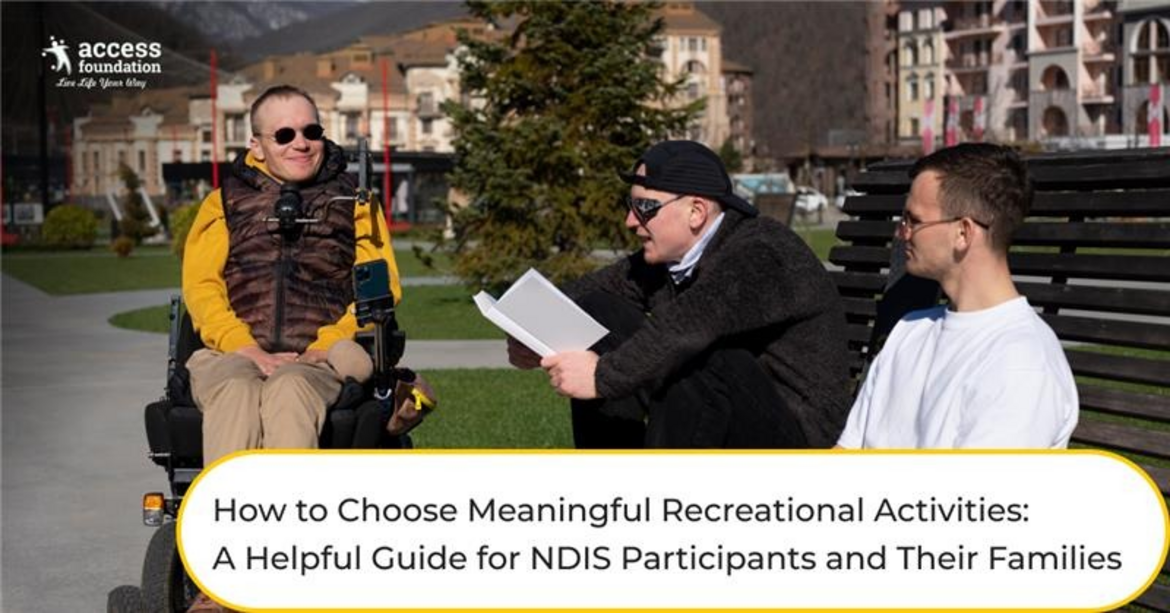
Recreational Activities are essential for NDIS participants’ wellbeing, independence, and social connection. Families play a critical role in supporting participation, but it is equally important to provide encouragement without creating pressure. Over-scheduling or forcing participation can reduce enjoyment and affect confidence, especially for participants with sensory sensitivities, anxiety, or mobility challenges.
By understanding how to balance support, encouragement, and autonomy, families can help their loved ones benefit fully from Recreational Activities. With guidance from a trusted NDIS Provider and support from professional NDIS Registered Providers, families can create a nurturing environment that fosters choice, independence, and engagement.
This blog explores how families can support Recreational Activities for NDIS participants without pressure, offering practical strategies, activity ideas, and insights into working with NDIS providers.
Understanding the Role of Recreational Activities for NDIS Participants
Why Recreational Activities Are Important
Recreational Activities are more than leisure—they promote social, emotional, and physical development. Benefits include:
- Improving mental wellbeing and reducing stress
- Building social skills and communication
- Enhancing confidence and independence
- Encouraging physical movement and coordination
The Family’s Role in Supporting Recreational Activities
Encouragement Without Pressure
Families can create positive experiences by encouraging participation without making it feel mandatory. The key is to offer choices, provide support, and respect the participant’s pace.
Strategies for Families
- Discuss activity options openly
- Allow participants to choose their preferred activities
- Celebrate small achievements without forcing outcomes
- Use positive reinforcement instead of pressure
Collaborating with NDIS Providers and Registered Providers
How Families Can Work With Providers
Working with an NDIS Provider or NDIS Registered Providers helps families understand the best ways to support recreational participation. Providers can:
- Recommend suitable Recreational Activities
- Suggest adaptations for mobility or sensory needs
- Provide trained support workers for outings or sessions
- Monitor progress and wellbeing
Creating a Choice-Driven Environment
How to Offer Options Without Pressure
Providing a variety of options lets participants explore activities at their own pace.
Practical Ideas
- Offer multiple activity types: art, music, sport, or mindfulness
- Rotate activities to maintain interest
- Encourage but never mandate participation
- Respect “no” as a valid choice
Relaxation-Focused Recreational Activities
Calm Activities for Sensitive or Anxious Participants
Not all participants thrive in high-energy environments. Relaxation-focused Recreational Activities can provide gentle, supportive engagement.
Examples
- Guided meditation or breathing exercises
- Quiet art and journaling
- Listening to music or nature sounds
- Gentle yoga or stretching
Social Recreational Activities for Confidence and Connection
Building Social Skills Without Overwhelm
Social Recreational Activities help participants connect with peers but should never feel forced.
Family Support Strategies
- Start with one-on-one or small group activities
- Gradually increase social exposure
- Encourage observation before active participation
- Celebrate attempts, not just outcomes
Creative Recreational Activities
Using Art, Music, and Drama to Encourage Participation
Creative Recreational Activities provide opportunities for self-expression and skill development without pressure.
Examples
- Drawing, painting, or clay modelling
- Music sessions or gentle group singing
- Storytelling or drama exercises
- Craft projects with flexible completion times
Outdoor and Physical Recreational Activities
Balancing Fitness and Relaxation
Outdoor Recreational Activities support physical health and exposure to nature. The goal is participation, not performance.
Examples
- Walks in quiet parks
- Gardening and nature observation
- Wheelchair-accessible or adaptive sports
- Gentle cycling or aquatic programs
Incorporating Routine Without Pressure
The Role of Predictable Schedules
Predictable routines can support engagement without creating pressure. Consistency helps participants feel safe and confident.
Tips for Families
- Schedule activities at familiar times
- Allow flexibility if a participant is not ready
- Include a balance of high-energy and calm activities
- Keep transitions between activities smooth
Celebrating Participation Over Achievement
Why Encouragement Matters More Than Performance
The focus should be on enjoyment and engagement rather than success or skill mastery.
Celebration Strategies
- Praise participation, effort, and curiosity
- Avoid comparisons with peers
- Document progress in small, achievable steps
- Encourage reflection on feelings and enjoyment
Tips for Reducing Anxiety Around Recreational Activities
Creating a Supportive and Safe Environment
Anxiety can prevent participants from engaging in Recreational Activities. Families can use gentle strategies to increase comfort.
Helpful Strategies
- Preview activities or venues in advance
- Bring comfort items or support aids
- Provide clear instructions and expectations
- Use a step-by-step approach for new activities
Aligning Recreational Activities With NDIS Goals
Using Recreational Activities to Support Development Goals
- Social participation
- Confidence and independence
- Emotional regulation
- Physical wellbeing
Long-Term Benefits of Pressure-Free Recreational Activities
How Families Can Foster Sustainable Engagement
- Increased self-confidence
- Better emotional regulation and resilience
- Stronger social connections
- Greater independence in daily life
- Improved overall wellbeing
Can families run recreational activities at home?
Yes, with guidance from an NDIS Provider, families can adapt activities safely at home.
How can recreational activities be adapted for sensory sensitivities?
A skilled NDIS Provider identifies adaptations, and NDIS Registered Providers ensure environments are sensory-friendly.
Conclusion: Encouraging Participation Without Pressure
Families play a vital role in supporting NDIS participants to engage. By fostering choice, autonomy, and encouragement rather than pressure, families help participants enjoy meaningful experiences that build confidence, independence, and social connection.
With guidance from a trusted NDIS Provider and the professionalism of NDIS Registered Providers, participants can safely explore recreational opportunities in a calm, supportive, and inclusive environment strengthening wellbeing and life skills for long-term growth.
