

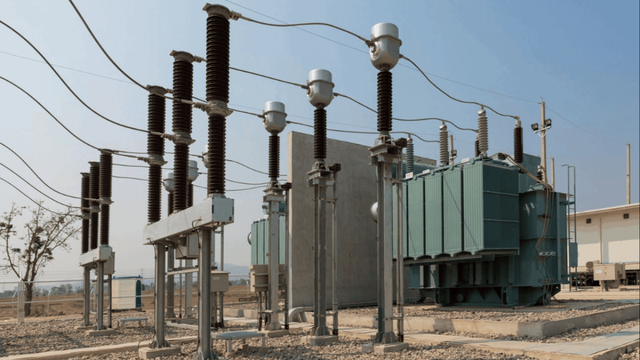
EHV, HV, and MV substations are the backbone of reliable power transmission and distribution. EHV substations handle extremely high voltages for long-distance transmission, HV substations manage regional power flow, and MV substations step down electricity for local distribution networks. Effective EHV HV MV substation design ensures that electricity moves safely, efficiently, and continuously from generation sources to end users. As power demand grows and grids become smarter, design practices must balance performance, safety, scalability, and compliance with international standards.
Site Selection and Layout Planning
Substation design begins with choosing the right site and creating a functional layout. The location must consider proximity to transmission lines, accessibility for maintenance, environmental constraints, and future expansion. Layout planning focuses on clear equipment spacing, safe movement paths for personnel, and optimized cable routing. A well-planned layout reduces installation complexity, minimizes losses, and enhances operational safety. In EHV environments, where clearances are critical, thoughtful spatial planning becomes even more important to prevent flashovers and ensure long-term reliability.
Electrical Configuration and System Architecture
The electrical configuration defines how power flows through the substation. Designers select appropriate busbar arrangements, such as single bus, double bus, or breaker-and-a-half schemes, based on reliability and cost considerations. In EHV HV MV substation design, redundancy is essential to maintain uninterrupted service during maintenance or faults. Proper coordination between transformers, circuit breakers, isolators, and protection systems ensures smooth operation across voltage levels. The architecture must also align with grid codes and allow for future upgrades as load requirements increase.
Transformer Selection and Integration
Transformers are the heart of any substation, responsible for stepping voltage levels up or down efficiently. Selecting the right transformer involves evaluating capacity, impedance, cooling methods, and insulation class. Integration into the overall design requires careful consideration of foundation design, oil containment, fire safety, and noise control. In EHV and HV substations, transformer reliability directly impacts grid stability, making quality selection and precise installation a top priority.
Protection, Control, and Automation Systems
Modern substations rely heavily on advanced protection and control systems. These systems detect faults, isolate affected sections, and restore normal operation quickly. Digital relays, SCADA integration, and intelligent electronic devices improve monitoring and decision-making. In MV substations, automation enhances distribution efficiency and reduces downtime. Effective EHV HV MV substation design incorporates cybersecurity, redundancy, and real-time data access to support smart grid functionality and remote operations.
Safety, Grounding, and Compliance Standards
Safety is a non-negotiable element of substation design. Proper grounding systems protect personnel and equipment from electrical faults and lightning strikes. Earthing grids are designed to control step and touch voltages within safe limits. Compliance with international standards such as IEC and IEEE ensures consistent quality and legal adherence. Fire protection, clear signage, and controlled access further strengthen safety measures across EHV, HV, and MV installations.
Environmental and Sustainability Considerations
Environmental responsibility is increasingly shaping substation design. Noise reduction, efficient land use, and eco-friendly materials help minimize environmental impact. Designers also consider oil spill prevention, waste management, and energy-efficient equipment. In urban areas, compact and gas-insulated substations reduce space requirements while maintaining performance. Sustainable EHV HV MV substation design supports long-term grid resilience and aligns with global energy transition goals.
Testing, Commissioning, and Lifecycle Management
Before a substation becomes operational, thorough testing and commissioning validate design assumptions and equipment performance. Routine maintenance planning begins at the design stage, ensuring easy access and clear documentation. Lifecycle management focuses on reliability, upgrade paths, and asset monitoring. A design that anticipates maintenance needs reduces operational costs and extends the service life of critical components.
Keentel Engineering’s Approach to Advanced Substation Design
Keentel Engineering brings deep technical expertise and practical insight to every EHV HV MV substation design project. The company focuses on delivering customized solutions that balance safety, efficiency, and scalability. By combining international design standards with modern automation and protection technologies, Keentel Engineering ensures robust and future-ready substations. Their collaborative approach, from concept development to commissioning, helps clients achieve dependable power infrastructure that supports growth, sustainability, and long-term operational excellence across diverse industrial and utility environments.
