

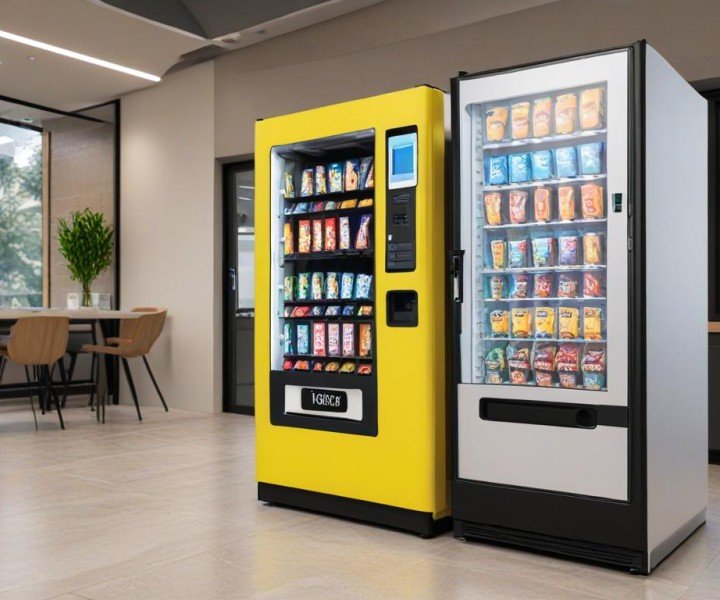
We have all been there. Standing in front of a vending machine, observing our chocolate bar dangle precariously from its spiral coil, refusing to fall into the collection bin below. That moment of disbelief quickly turns into frustration as we realise our money has vanished, yet our snack remains trapped behind the glass. This scenario plays out thousands of times each day across Australia, leaving people wondering what goes wrong inside these mechanical dispensers.
Understanding what happens during these vending mishaps requires looking beyond the surface frustration. These machines represent a delicate balance between cost, durability, and functionality. Every jam, every failed delivery, and every dangling packet tells a story about how these devices work and why they sometimes fail. The mechanisms inside are more complex than they appear, and the reasons behind stuck snacks often involve multiple factors working against that perfect drop we expect every single time.
Why Do Snacks Actually Get Stuck in Vending Machines?
The primary culprit behind stuck snacks relates to the spiral delivery system used in most machines. These metal coils rotate to push products forward until they fall into the retrieval area. However, this seemingly simple mechanism faces constant challenges. Products vary wildly in size, weight, and packaging texture. A bag of chips behaves completely differently from a chocolate bar, yet both must travel along the same type of coil.
Research from vending industry studies shows that approximately 15% of vending transactions result in some form of delivery issue. The packaging itself creates problems. Shiny wrappers catch on metal edges. Soft packages compress and wedge themselves between coils. Heavier items build momentum and flip backwards instead of falling forward.
Temperature plays a bigger role than most people realise. Chocolate softens in warm weather, causing bars to bend and stick. Cold temperatures make plastic packaging rigid and more likely to catch. Australian summers present particular challenges, with machines often sitting in direct sunlight at petrol stations and shopping centres.
How Does the Internal Mechanism Actually Work?
Inside every combo machine, a motor connects to the spiral coil through a series of gears. When someone makes a selection, the motor receives a signal to rotate the specific coil a predetermined number of turns. This calculation aims to move the product just far enough to fall off the edge. The system relies on gravity doing the rest of the work.
The detection system adds another layer of complexity. Older machines use simple rotation counting, assuming that X number of turns will always deliver the product. Newer models include infrared sensors or weight plates to confirm delivery. Yet even these advanced systems can be fooled.
“The average vending machine makes between 200 and 300 transactions per week, and mechanical wear accumulates quickly,” according to industry maintenance records. Springs lose tension. Gears develop rough spots. The coils themselves bend due to constant rotation and product weight.
What Happens to Your Money During a Failed Transaction?
This question bothers customers most. The money disappears into the machine, yet nothing comes out. Modern machines maintain transaction logs that record every purchase attempt. When a delivery fails, the machine typically knows something went wrong but cannot reverse the transaction automatically.
Cash payments present the biggest headache. Once notes or coins enter the machine, they drop into a secure collection box. The machine cannot return them because doing so would create theft opportunities. Digital payments through cards or apps offer more flexibility.
Australian consumer law provides some protection. Operators must display contact information for reporting faults. Getting refunds requires reporting the incident, providing transaction details, and waiting for the operator to verify the claim. Most operators process genuine claims because maintaining customer trust matters more than the cost of a single snack.
Does Shaking the Machine Actually Help?
Everyone has seen someone rock or shake a vending machine trying to dislodge a stuck item. This approach carries serious risks. Approximately 13 people die globally each year from vending machines tipping over onto them. The machines weigh between 300 to 900 kilograms when fully stocked.
Shaking might dislodge a stuck snack, but it can also:
- Damage internal sensors and mechanisms
- Cause additional products to fall without payment
- Trigger anti-theft alarms in newer machines
- Create liability issues if someone gets injured
The vibration from shaking can temporarily free a stuck package, but it often creates new problems. Products shift out of position. Coils bend further out of alignment. Operators report that heavily shaken machines require more frequent servicing and have shorter operational lifespans.
What Should You Actually Do When This Happens?
The correct response involves several practical steps. First, check whether the machine displays a contact number or website. Most Australian machines must show this information under consumer protection regulations. Take a photo showing your stuck snack and the machine’s location details.
Contact the operator through their provided channels. Many companies now offer apps or online forms specifically for reporting vending issues. Provide clear information about what happened. Most operators respond within 24 to 48 hours for refund requests.
For businesses looking to enter this industry or upgrade existing machines, partnering with experienced suppliers makes a real difference. Companies like Vending System understand the technical challenges and can recommend equipment designed to minimise jams. They provide ongoing support to help operators maintain machines properly and respond quickly when issues arise. This expertise helps reduce the frustration customers experience and protects the reputation of the vending service.
Some machines offer a “change refund” button that might return your money if pressed immediately after a failed delivery. Learning your rights as a consumer helps. The Australian Consumer Law requires goods and services to match their description, which includes receiving what you paid for from a vending machine.
Why Do Operators Not Fix These Problems Faster?
The economics of vending machine operation explain many frustrations. Most operators run routes covering dozens or hundreds of machines spread across large geographic areas. Visiting each location costs money in fuel, time, and labour. Operators typically restock machines on schedules ranging from weekly to monthly.
Responding to individual jam reports requires special trips that disrupt this routine. The profit margin on each transaction runs between 20 to 35 cents after accounting for product costs, machine leases, and operating expenses. A special trip to refund two dollars makes no business sense, yet operators must balance costs against customer satisfaction.
Data from Australian vending associations indicates the industry generates approximately $2.8 billion annually. However, this revenue spreads across roughly 90,000 machines nationwide. These thin margins explain why preventive maintenance sometimes gets delayed and why older, jam-prone machines stay in service longer than ideal.
Solving the Mystery of Stuck Snacks
Next time your snack gets stuck, remember that multiple factors contributed to that frustrating moment. The machine’s age, maintenance history, product selection, environmental conditions, and pure chance all played roles. While this knowledge does not make the experience less annoying, understanding the mechanics behind the problem might offer some consolation. The vending industry continues working to reduce these incidents, though eliminating them entirely remains an ongoing challenge. Perhaps someday technology will advance enough that stuck snacks become a relic of the past. Until then, take a photo, report the problem, and remember that shaking the machine helps nobody. The next time you successfully retrieve your snack, appreciate the small victory against gravity, mechanics, and probability.
