

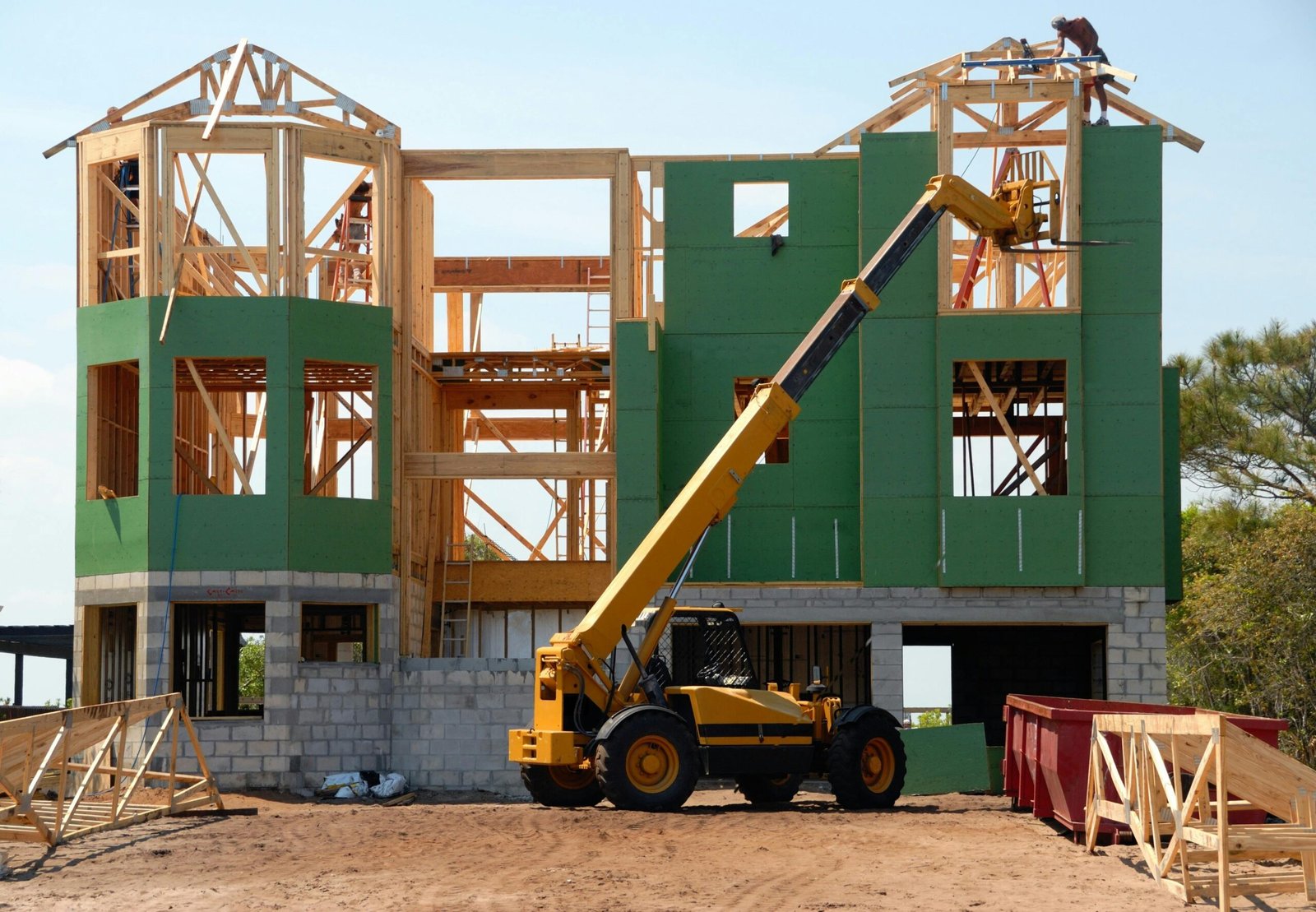
Running a small, growing construction company? Your skilled team is the heart of the business, but your plant and machinery are the backbone of daily operations. Excavators, loaders, cranes, compressors, and specialist equipment keep projects moving and crews productive. When one piece goes down, the impact can ripple across timelines, budgets, and client relationships.
That’s where plant and equipment insurance comes in.
It helps protect your business against the financial shock of damage, theft, or unexpected breakdowns. More importantly, it gives you the confidence to take on work knowing a single incident won’t derail your entire operation.
In this guide, we’ll explain why plant and equipment insurance matters, the risks construction companies face, and how to choose the right cover, provider, and risk management approach.
Plant and Equipment Insurance, Explained
Construction machinery is expensive to repair or replace. Even a mid-sized excavator can cost tens or hundreds of thousands to replace, not including downtime costs. For smaller companies, that kind of expense can put serious strain on cash flow or stop work altogether.
Plant and equipment insurance is designed to cover machinery used on-site, in transit, or in storage. Depending on the policy, it can protect against accidental damage, theft, fire, vandalism, and sometimes mechanical breakdown.
Without this cover, businesses often have to absorb losses themselves. That can mean delayed projects, unhappy clients, and missed opportunities to bid on new work. In competitive markets, those setbacks are hard to recover from.
The Risks Construction Companies Face

Construction sites are high-risk environments. Machinery is exposed to rough conditions, multiple operators, and constant movement. Below are some of the most common risks that make plant and equipment insurance essential.
1. Accidental damage on site
Heavy machinery works in tight spaces, uneven ground, and changing conditions. Collisions, rollovers, and operator error happen, even with experienced crews. A damaged machine may be unsafe to use or fail inspections, forcing work to stop until repairs are made.
2. Theft and vandalism
Construction equipment is a frequent target for theft, especially when left on-site overnight or stored in unsecured yards. Smaller items like generators and tools are easy to move, while larger machinery can be stolen with planning and the right transport. Replacing stolen equipment out of pocket can be devastating.
3. Fire, flood, and weather events
Unforeseen circumstances such as fires, floods, storms, or extreme weather can damage or destroy machinery. These events are often outside your control and can affect multiple assets at once, amplifying the financial impact.
4. Mechanical breakdown and wear
While not always included in standard policies, mechanical failure is another major risk. A sudden breakdown can halt operations and lead to costly repairs. Even short delays can result in penalties or lost client trust.
5. Downtime and project delays
The real cost of equipment failure isn’t just repairs or replacement. It’s downtime. Idle crews, missed deadlines, and rescheduled jobs can quickly eat into profit margins. Insurance won’t eliminate downtime, but the right cover can reduce how long your business is exposed.
What Plant and Equipment Insurance Typically Covers
Policies vary, but most plant and equipment insurance covers:
- Accidental loss or damage to machinery
- Theft and attempted theft
- Fire and explosion
- Damage during transit or while loading and unloading
- Vandalism
Some insurers also offer optional extras, such as:
- Hired-in plant cover
- Mechanical breakdown cover
- Business interruption or hire costs while equipment is being repaired
- Cover for tools and attachments
Understanding exactly what is and isn’t included is critical. Gaps in coverage often only become obvious after a claim is denied.
Finding the Right Insurance Policy
Choosing plant and equipment insurance isn’t just about price. It’s about fit. The right policy should match how you actually operate.
1. Assess your equipment and exposure
Start by listing all machinery, including owned, leased, and hired-in equipment. Note their values, how often they are used, and where they are stored. A company running multiple sites with frequent transport has different risks from one working long-term on a single location.
2. Decide between “agreed value” and “market value”
Some policies insure equipment for market value, while others allow agreed value. Agreed value can provide more certainty at claim time, especially for older or customised machinery.
3. Check exclusions and excesses carefully
Look closely at exclusions related to operator error, unattended equipment, or security requirements. A low premium may come with high excesses or strict conditions that make claims harder.
4. Consider flexibility as your business grows
Small construction companies often scale quickly. Choose a policy that allows you to add new equipment easily and adjust cover without renegotiating everything from scratch.
Choosing the Right Insurance Provider

The insurer you choose matters as much as the policy itself.
Look for a provider with experience in construction and plant risks. They are more likely to understand how equipment is used and the realities of construction sites. Claims handling is another key factor. Fast, practical claims support can mean the difference between a short delay and a major project disruption.
It’s also worth working with a broker who specialises in construction insurance. A good broker can help compare options, explain policy wording in plain language, and advocate for you during claims.
Insurance as Part of a Wider Risk Management Strategy
Plant and equipment insurance is your safety net, but it works best when combined with sensible risk management.
This includes regular maintenance schedules, operator training, clear site safety procedures, and proper storage and security measures. GPS tracking, immobilisers, and secure fencing can reduce theft risk and may even lower premiums.
Keeping accurate records, service logs, and photos of equipment can also speed up claims and reduce disputes.
Keeping your Projects Moving
For small and growing construction companies, setbacks can be costly and stressful. Plant and equipment insurance provides a safety net that helps protect your investment, your cash flow, and your reputation.
In an industry where reliability matters, the right insurance is not just protection. It’s part of running a resilient, professional construction business.
Author Bio: Carmina Natividad is one of the daytime writers for 360 Underwriting, a specialist agency network supporting insurance brokers with tailored underwriting solutions across sectors like motor, marine, professional indemnity, and plant & equipment. She enjoys crafting practical, jargon-free content that helps brokers better understand complex risks and deliver smarter coverage to their clients.
