

Creating custom designs on apparel requires selecting the right material. Both reflective HTV vinyl and tackle twill applique are popular choices, yet each offers unique advantages. Designers must weigh factors such as durability, visibility, texture, and application method to make the best decision.
Heat transfer vinyl is versatile and can produce intricate designs with clean edges. It is especially effective for vibrant colors or reflective finishes. Tackle twill applique, on the other hand, offers a classic, textured look that works well for sports uniforms, team names, and bold lettering. Understanding the strengths of each material will guide your choice and ensure professional results.
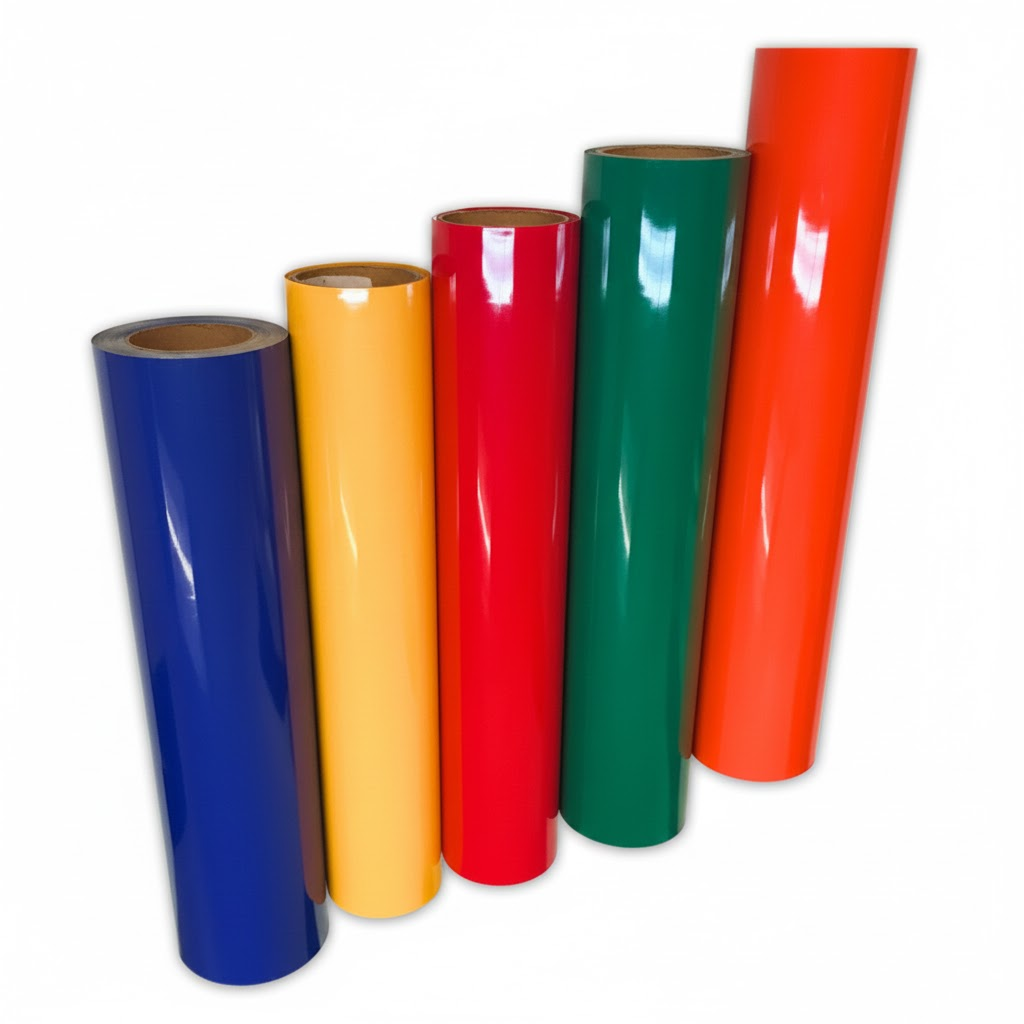
Durability and Wear Resistance
Durability often drives the decision between these materials. Tackle twill applique should be chosen for projects requiring long-lasting wear and frequent laundering. Its thick structure maintains shape, prevents fraying, and withstands heavy use, which is ideal for athletic jerseys or jackets.
Reflective HTV vinyl provides a durable finish as well, particularly when using high-quality heat pressing techniques. It must be applied correctly to ensure adhesion, but it allows designs to remain bright and reflective even after repeated washing. Vinyl is especially useful for safety or visibility-focused designs, where its reflective properties enhance function.
Design Flexibility and Detail
One of the most significant advantages of reflective HTV vinyl is its flexibility for detailed designs. It allows for precise cutting, intricate patterns, and multi-layered colors without adding bulk. This makes it suitable for modern streetwear, spirit wear, or safety apparel where visibility and style intersect.
In contrast, tackle twill applique is ideal for bold, large lettering. Its texture provides depth, a traditional look, and a professional sportswear aesthetic. While less suited for fine details, twill works beautifully for logos, numbers, and letters that must stand out prominently.
Application Methods
The method of application impacts both ease of use and final quality. Reflective HTV vinyl is heat-pressed directly onto fabric. It should be pressed at the correct temperature and pressure to bond fully, particularly for reflective finishes. This method allows for faster production of multiple designs and requires minimal finishing.
Tackle twill applique, however, usually needs stitching or additional adhesives for secure attachment. This extra step enhances durability but may require more time and equipment. In scenarios where layering fabrics or creating dimensional effects matters, applique offers advantages that vinyl cannot match.
Visual Impact and Aesthetic Considerations
Visual appeal is another critical factor. Reflective HTV vinyl draws attention with shiny, mirror-like surfaces that enhance visibility in low-light conditions. This makes it perfect for night-time safety apparel or design pieces meant to stand out.
Tackle twill applique provides a classic, textured appearance that conveys quality and tradition. Its raised edges and dense structure create a bold statement on sports uniforms and professional apparel. Choosing the right material depends on whether modern shine or traditional texture best suits the project.
Cost and Production Efficiency
Cost and efficiency may also influence the decision. Heat transfer vinyl generally allows for quicker production with less manual labor. Complex designs are easier to replicate without significant setup time, which is ideal for short runs or custom orders.
Tackle twill applique requires additional cutting, layering, and sometimes sewing. While it may cost more in labor and materials, the long-lasting result and tactile finish justify the investment for premium apparel. Balancing budget with desired impact is key when deciding between these two methods.
Best Use Cases for Each Material
Reflective HTV vinyl should be used when:
- Visibility in low light is essential.
- Designs require intricate detail.
- Rapid production is needed.
- Lightweight, flat finishes are preferred.
Tackle twill applique works best when:
- Bold, classic lettering is desired
- Heavy use and durability are priorities
- Dimensional or layered effects are needed
- Traditional sportswear aesthetics are important
Combining Materials for Maximum Impact
Sometimes, the best results involve combining materials. Using tackle twill applique for bold letters and overlaying accents with reflective HTV vinyl creates both texture and visibility. This hybrid approach allows designers to leverage the strengths of each material, enhancing both function and style.
Tips for Ensuring a Professional Finish
Before completing any project, it is important to double-check all design placements and test small samples when possible. Proper alignment, consistent pressure during application, and careful trimming of excess material can significantly enhance the final appearance. Taking time to inspect seams, edges, and adhesion ensures that each piece looks polished and lasts longer. Attention to these details not only improves durability but also elevates the overall quality, giving your designs a professional, high-end finish that will impress clients or team members.
Maximizing Durability with Heat Press Techniques
Using a proper heat press technique is essential to ensure long-lasting results when working with reflective HTV vinyl. Applying the correct temperature, pressure, and timing helps the material bond securely to the fabric, reducing the risk of peeling or fading over time. Additionally, pressing in even, consistent motions and allowing the design to cool properly can enhance durability while maintaining the vibrant reflective finish. These steps ensure that your projects not only look professional but also withstand frequent wear and washing.
Maintaining Your Apparel Designs
Caring for finished garments properly can extend the life of any custom design. Washing inside out, using gentle cycles, and avoiding harsh detergents or bleach helps preserve colors and prevents damage to the fabric. Air drying or using low heat in a dryer further protects the design and fabric integrity. By following these simple maintenance steps, your apparel will continue to look fresh, vibrant, and professional for a longer period.
Conclusion
Choosing between reflective HTV vinyl and tackle twill applique requires careful consideration of design, durability, production efficiency, and visual impact. Each material offers unique benefits that cater to different needs. Designers should evaluate the intended use, washing frequency, and aesthetic goals to make the right decision.
By understanding these factors, your apparel projects will achieve both professional quality and long-lasting appeal, whether you prioritize modern shine or traditional texture.
