

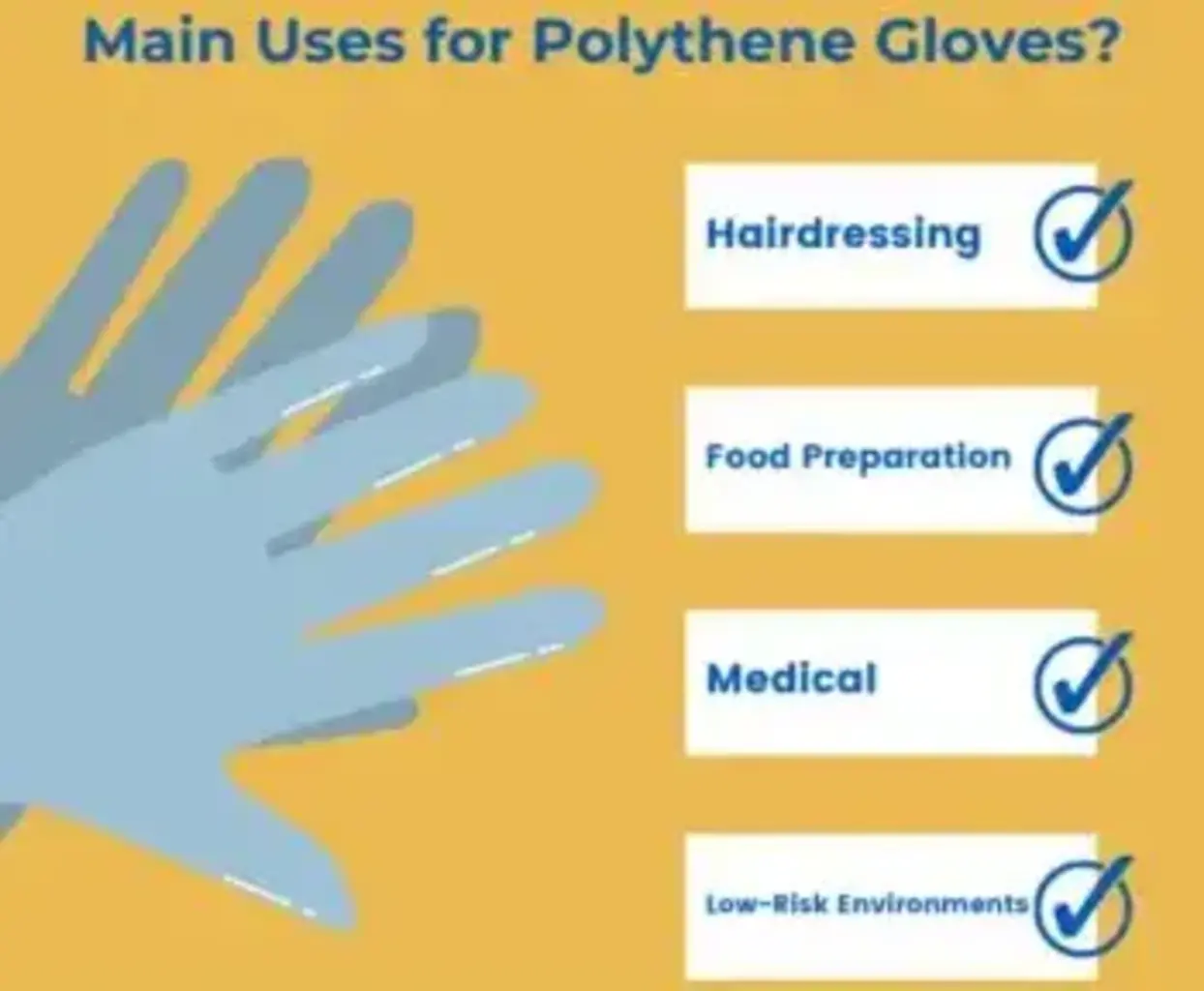
Polythene gloves have become a staple in food handling and cleaning environments across the world. From commercial kitchens and food processing plants to hospitals, hotels, and janitorial services, their presence is almost universal. This widespread adoption is not accidental. Polythene gloves offer a combination of hygiene, practicality, and cost efficiency that makes them especially well suited to high-turnover, hygiene-sensitive tasks.
This article explores why polythene gloves are so widely used, how they support safety and efficiency, and what businesses should consider when choosing them.
Understanding Polythene Gloves
Polythene gloves, also known as polyethylene gloves, are made from lightweight plastic materials such as low-density polyethylene (LDPE) or high-density polyethylene (HDPE). Unlike latex or nitrile gloves, they are loose fitting and non-elastic. This design makes them easy to put on and remove, even during fast-paced work.
They are typically intended for short-term use and are disposed of after each task. This makes them particularly suitable for environments where gloves need to be changed frequently to prevent cross-contamination.
A Practical Solution for Food Handling
Maintaining Hygiene Standards
In food handling, hygiene is non-negotiable. Polythene gloves provide an effective barrier between hands and food products, reducing the risk of contamination from bacteria, oils, or sweat. Because they are designed for single use, workers can easily change gloves between tasks, ingredients, or workstations.
This frequent glove replacement is critical in preventing cross-contamination, especially when handling raw foods, allergens, or ready-to-eat items.
Speed and Convenience in Busy Kitchens
Commercial kitchens and food service operations often require staff to move quickly. Polythene gloves are easy to don and remove, saving time during high-volume food preparation. Their loose fit allows air circulation, helping to reduce discomfort during extended use.
For tasks such as sandwich preparation, bakery work, or food packaging, polythene gloves offer just enough protection without compromising speed or dexterity.
Essential for Cleaning and Janitorial Work
Protection During Light Cleaning Tasks
In cleaning environments, polythene gloves are commonly used for light-duty tasks such as surface wiping, waste handling, and general sanitation. They protect hands from dirt, mild chemicals, and moisture, helping maintain basic hygiene standards.
Because cleaning often involves switching between areas or tasks, disposable polythene gloves make it easy to maintain cleanliness without the need for washing reusable gloves between uses.
Cost-Effective for High-Use Environments
Cleaning operations often require large volumes of gloves. Polythene gloves are typically more affordable than alternatives like nitrile or latex, making them a practical choice for organizations managing tight budgets or large workforces.
Their low cost allows for frequent replacement, reinforcing hygiene protocols without significantly increasing operational expenses.
Key Advantages of Polythene Gloves
Food-Safe and Compliance Friendly
Many polythene gloves are manufactured to meet food safety regulations and international hygiene standards. This makes them suitable for use in regulated industries where compliance is essential.
When sourced from reputable suppliers, polythene gloves provide peace of mind for businesses operating across different regions and regulatory environments.
Latex-Free and Allergy Safe
Unlike latex gloves, polythene gloves do not contain natural rubber proteins. This eliminates the risk of latex-related allergic reactions, making them a safer option for diverse workforces and customer-facing environments.
This feature is particularly important in food service, healthcare, and public facilities where allergy awareness is a priority.
Lightweight and Easy to Store
Polythene gloves are lightweight and compact, allowing for easy storage and distribution. They are often packaged in bulk, which is ideal for high-use settings such as factories, cafeterias, and cleaning services.
When to Choose Polythene Gloves
While polythene gloves are highly versatile, they are best suited for specific applications. They are ideal for:
- Short-duration tasks
- Frequent glove changes
- Food preparation and packaging
- Light cleaning and sanitation
- High-volume, cost-sensitive operations
For tasks requiring chemical resistance, puncture protection, or prolonged wear, heavier-duty gloves may be more appropriate. However, for everyday hygiene tasks, polythene gloves remain one of the most efficient solutions available.
Choosing the Right Polythene Gloves for Your Business
When selecting polythene gloves, businesses should consider thickness, size, and intended use. HDPE gloves offer better strength and are commonly used in food handling, while LDPE gloves provide greater flexibility and comfort.
Reliable suppliers also ensure consistent quality, compliance with safety standards, and dependable supply chains. This is especially important for organizations operating at scale or across multiple locations.
Conclusion
Polythene gloves continue to play a vital role in food handling and cleaning industries worldwide. Their affordability, ease of use, and hygiene benefits make them an essential tool for maintaining safety and efficiency in fast-paced environments.
For businesses seeking a practical, reliable, and globally accepted glove solution, polythene gloves remain a trusted choice. By understanding their strengths and selecting the right products for specific applications, organizations can uphold hygiene standards while keeping operations running smoothly.
Article about” Why Polythene Gloves Are Widely Used in Food Handling and Cleaning ” post by: pabrik sarung tangan – mitrasaruta
