

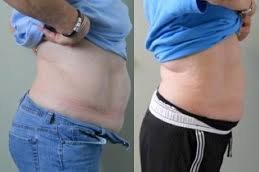
Liposuction is one of the most popular cosmetic procedures for removing stubborn fat and improving body shape. Many people want to know what to expect and how to take care of themselves before and after the procedure. This article explains liposuction before and after, including preparation, recovery, and tips to get the best results. The language is simple so anyone can understand.
What Is Liposuction?
Liposuction is a surgical procedure that removes fat from specific areas of the body. It is not meant for weight loss but for body contouring. People usually have liposuction on areas like the belly, thighs, arms, hips, back, and chin.
During the procedure, a small tube called a cannula is inserted into the fat layer under the skin. The fat is then suctioned out to create a smoother, more defined body shape. Modern techniques make the process safer and less painful than older methods.
Understanding Liposuction Before and After
When people talk about liposuction before and after, they usually mean the stages of preparation, the procedure itself, and the recovery process. Understanding these stages helps set realistic expectations and ensures safety.
1. Preparing Before Liposuction
Preparation is a key factor for a safe procedure and successful results. Here’s what experts recommend:
Medical Consultation:
Before liposuction, a doctor evaluates your overall health, skin condition, and body fat. You should share your medical history, any medications you take, and any past surgeries. This ensures the procedure is safe for you.
Healthy Lifestyle:
Maintaining a balanced diet and light exercise before surgery helps your body heal faster. Avoid drastic weight loss right before liposuction, as it can affect results.
Stop Smoking and Alcohol:
Smoking and alcohol can slow down healing and increase the risk of complications. Experts recommend stopping both at least two weeks before the procedure.
Medication Guidelines:
Some medications and supplements can increase bleeding risk. Doctors usually advise stopping blood-thinning drugs like aspirin, certain anti-inflammatory medicines, and some herbal supplements before surgery.
Mental Preparation:
Understanding the procedure, realistic expectations, and possible side effects are important. Being mentally prepared helps reduce stress and improves recovery.
2. What Happens During the Procedure
During liposuction, a qualified doctor follows these steps:
Anesthesia:
Depending on the size and area of treatment, local or general anesthesia is used. Local anesthesia numbs only the treatment area, while general anesthesia makes you sleep through the procedure.
Fat Removal:
The doctor makes small cuts in the skin and inserts the cannula to remove fat. Modern techniques like laser-assisted or tumescent liposuction help reduce pain and improve results.
Closing the Incisions:
The small cuts are closed with stitches or left open to heal naturally. Compression garments are usually applied to help shape the body and reduce swelling.
The procedure can last from one to several hours depending on the area treated.
Liposuction Aftercare: What to Expect
Recovery is an essential part of seeing good results. Here is what to expect after liposuction:
Immediate Recovery:
You may feel soreness, swelling, or mild pain in the treated areas. Doctors usually prescribe pain medication to make this period more comfortable.
Compression Garments:
Wearing compression garments is crucial after surgery. They support healing, reduce swelling, and help the skin adapt to the new body shape.
Activity Guidelines:
Rest is important during the first few days, but light walking is encouraged to improve blood circulation. Heavy exercise or strenuous activity should be avoided for several weeks.
Follow-Up Visits:
Doctors schedule follow-up visits to monitor healing, check for complications, and track results. Attending these appointments is important for safety and achieving the desired outcome.
Liposuction Before and After Results
Visible results can usually be seen after a few weeks, but full results may take several months as swelling decreases and the body adjusts. The final outcome depends on:
- Area treated
- Amount of fat removed
- Skin elasticity
- Overall health and lifestyle
Maintaining Results:
Liposuction is not a permanent solution if weight gain occurs. Maintaining a healthy diet and regular exercise helps preserve results.
Common Side Effects
Liposuction is generally safe, but mild side effects can happen. These include:
- Swelling and bruising
- Temporary numbness
- Redness at incision sites
- Mild discomfort
Serious complications are rare, especially when the procedure is performed by a qualified doctor in a professional clinic.
Tips for Safe Liposuction Before and After
To ensure safety and good results, experts recommend:
- Choose a qualified and experienced doctor
- Follow pre-surgery instructions carefully
- Avoid smoking and alcohol before and after the procedure
- Wear compression garments as advised
- Attend all follow-up appointments
- Eat a balanced diet and stay hydrated
- Start light exercise when approved by your doctor
Realistic Expectations
One of the most important things about liposuction before and after is having realistic expectations. Liposuction removes fat and shapes the body but does not prevent future fat accumulation. Results vary for each person and depend on proper preparation and recovery.
The Role of Modern Techniques
Modern liposuction techniques, such as laser-assisted or ultrasound-assisted methods, have improved both safety and results. They reduce pain, swelling, and recovery time while making fat removal more precise. Understanding these options can help patients make informed decisions.
Conclusion
Understanding liposuction before and after is essential for anyone considering the procedure. Proper preparation, choosing a qualified doctor, and following aftercare instructions make the procedure safer and improve results.
