

In the competitive landscape of modern commerce, first impressions are often the only impressions a business gets to make. While digital marketing and social media are essential tools for reaching customers in the virtual space, physical presence remains the cornerstone of local brand recognition. Among the various types of outdoor signage available, few carry the same weight—both literally and figuratively—as monument signs.
A monument sign is more than just a marker; it is a permanent landmark that anchors your business to its physical location. When designed and executed correctly, it serves as a silent salesperson, working 24/7 to guide customers, establish authority, and reinforce your brand identity.
What is a Monument Sign?
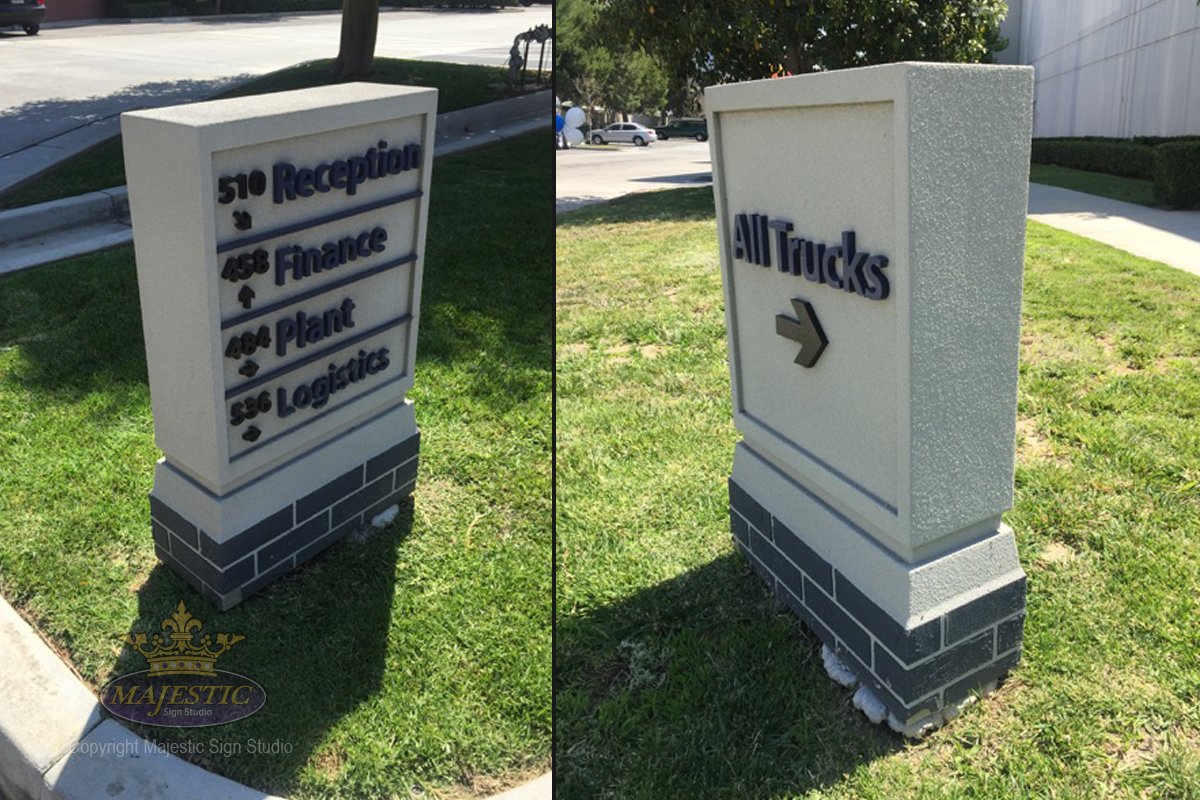
A monument sign is a low-profile, ground-level sign that is typically detached from the main building. Unlike pylon signs, which are mounted on tall poles to be seen from great distances or over highways, monument signs are designed to be viewed at eye level. They are often constructed from heavy-duty materials like stone, brick, concrete, metal, or high-density foam that mimics masonry.
Because they sit directly on the ground or a low base, they provide a sense of stability and permanence. This architectural integration makes them a preferred choice for corporate offices, shopping centers, hospitals, residential communities, and schools.
The Strategic Importance of Monument Signs
For any business with a physical storefront or office, visibility is a primary driver of foot traffic. Here is why investing in high-quality monument signage is a strategic move for your brand.
1. High Visibility at Street Level
While building-mounted signs are great for people already in your parking lot, they can sometimes be missed by passing motorists due to angles or obstructions like trees. Monument signs are positioned closer to the road, making them highly visible to drivers. This provides ample time for a driver to see your brand, process the information, and safely turn into your location.
2. Establishing Authority and Trust
There is a psychological element to signage. A flimsy, temporary sign suggests a business that might not be around next year. Conversely, a monument sign built from solid materials suggests longevity and reliability. It tells the community that your business is an established part of the local infrastructure.
3. Wayfinding and Convenience
Nothing frustrates a potential customer more than being unable to find a business. Monument signs serve as vital wayfinding tools. For multi-tenant complexes, a well-organized monument sign lists all occupants, ensuring that clients can find exactly where they need to go without stress.
Design Possibilities: Customizing Your Brand Identity
One of the greatest strengths of these structures is their versatility. At Majestic Sign Studio, the focus is on creating monument signs that align perfectly with a company’s existing architecture and branding.
Material Selection
The materials you choose for your sign should reflect the “vibe” of your business:
- Brick and Stone: Ideal for law firms, medical centers, or traditional corporate offices seeking a classic, prestigious look.
- Aluminum and Stainless Steel: Perfect for tech companies or modern retail brands that want a sleek, industrial aesthetic.
- EPS (Expanded Polystyrene) Foam: A modern marvel in signage, this material can be sculpted to look exactly like stone or wood but is more cost-effective and easier to install.
Lighting Options
To ensure your sign works for you even after the sun goes down, illumination is key.
- External Lighting: Ground-mounted spotlights can wash the sign in light, creating a dramatic, high-contrast look.
- Internal Illumination: LED-lit cabinets or channel letters allow the text itself to glow, providing maximum legibility at night.
- Halo Lighting: This creates a soft glow behind the letters, offering a sophisticated and “premium” feel.
The ROI of Physical Signage
When comparing marketing costs, many business owners are surprised by the high Return on Investment (ROI) of on-site signage. Unlike a digital ad or a radio spot that requires recurring payments to remain active, a monument sign is a one-time capital investment that lasts for decades.
According to research by the Small Business Administration (SBA), signs are the least expensive yet most effective form of advertising. For many businesses, a single monument sign can generate thousands of impressions every single day just from local traffic. Over the lifespan of the sign, the cost per impression becomes fractions of a penny.
Navigating Permits and Regulations
Before breaking ground on a new sign, it is crucial to understand local zoning laws. Most cities have specific ordinances regarding the height, size, and placement of monument signs. These regulations ensure that signs do not obstruct the view of drivers or clash with the aesthetic of the neighborhood.
Working with an experienced sign professional is essential here. They don’t just design and build the sign; they handle the complex permitting process, ensuring that your new landmark is fully compliant with local codes.
Trends in Modern Monument Signage
As technology evolves, so do the ways we present our brands. Here are a few trends currently shaping the world of monument signs:
- Integrated Digital Displays: Many modern monument signs now feature LED message centers. This allows businesses to change their promotions, display the temperature, or share community news in real-time.
- Sustainable Materials: More companies are looking for eco-friendly construction methods and energy-efficient LED lighting to reduce their carbon footprint.
- Landscaping Integration: A sign shouldn’t just sit on the grass; it should be part of the landscape. Incorporating flower beds, decorative rocks, and professional lighting around the base of the sign enhances its visual impact.
Choosing the Right Partner for Your Signage Project
Because a monument sign is a long-term investment, choosing the right sign company is paramount. You need a partner who understands the balance between artistic design and structural integrity.
The process usually begins with a consultation to understand your brand goals and site location. From there, designers create a mock-up that shows how the sign will look against your building’s architecture. Once the design is finalized and permits are secured, the fabrication team brings the vision to life using durable, weather-resistant materials. Finally, professional installation ensures the sign is anchored safely and any electrical components are wired correctly.
Conclusion
In a world that is increasingly digital, the physical markers of our community still matter. A monument sign is more than a piece of hardware; it is a statement of presence. It tells the world who you are, where you are, and that you are here to stay.
Whether you are a small boutique looking to catch the eye of local shoppers or a large corporation needing to unify a sprawling campus, the right signage can make all the difference. By investing in a custom-designed monument sign, you aren’t just buying a sign—you’re building a landmark for your brand.
