

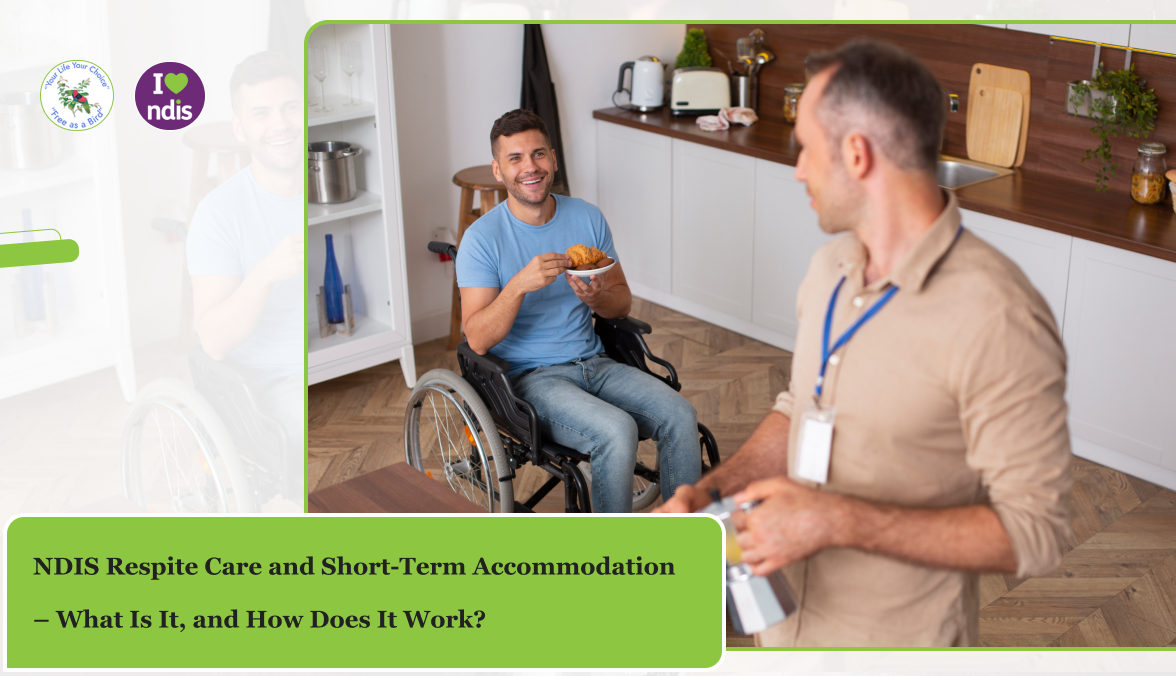
Accessing NDIS Respite Care in Perth provides essential support that enhances the wellbeing of both participants and their families. By offering structured, person-centred care, respite services allow participants to engage in meaningful activities, maintain independence, and foster social connections, while caregivers gain valuable relief from emotional, physical, and practical pressures.
For families in Perth, high-quality respite supports are delivered through home visits, community programs, and Short-Term Accommodation (STA) stays. These services are tailored to individual goals and routines, providing safe and flexible options that contribute directly to improved health, reduced stress, and better overall quality of life.
Understanding the benefits of NDIS Respite Care helps families make informed decisions about planning, accessing, and optimising services for participant and caregiver wellbeing.
How NDIS Respite Care Supports Emotional and Psychological Wellbeing
NDIS Respite Care enhances emotional wellbeing by offering participants structured routines, personalised support, and social engagement. For children and adults in Perth, respite programs provide opportunities to develop skills, build confidence, and participate in community activities. Caregivers experience reduced stress, improved mental health, and increased capacity to manage daily responsibilities.
Person-centred approaches ensure that care aligns with participant preferences and interests, promoting a sense of autonomy, belonging, and emotional stability.
Physical Relief and Stress Reduction for Caregivers
Caregivers benefit directly from planned and emergency respite through rest, time for personal care, and freedom to attend work, appointments, or social commitments. Perth families often juggle multiple responsibilities, making NDIS Respite Care crucial for preventing burnout and maintaining long-term health.
Structured respite allows carers to recharge physically and mentally, ensuring they can continue to provide high-quality support for participants while safeguarding their own wellbeing.
Social Engagement and Community Participation
Respite services encourage participants to interact with peers, explore local community activities, and develop life skills. In Perth, programs often incorporate accessible recreational venues, parks, and community centres, creating meaningful social experiences.
Short-Term Accommodation (STA) options may include structured group activities, leisure programs, and supervised outings that foster social inclusion, confidence, and independence, while carers enjoy planned breaks with peace of mind.
Differences from Long-Term Supports such as SIL
While NDIS Respite Care provides temporary, flexible support to improve wellbeing, Supported Independent Living (SIL) focuses on long-term assistance with accommodation and daily living.
Participants using respite services benefit from short-term engagement, skill-building, and social participation without committing to full-time residential care. Understanding this distinction helps families plan breaks and access wellbeing-focused support effectively.
Role of NDIS Registered Providers in Perth
NDIS registered providers ensure high-quality, safe, and compliant respite services in Perth. They train staff in disability support, safety procedures, and communication strategies to maintain participant wellbeing.
Providers also assist families with planning, funding, and navigating NDIS eligibility, ensuring that respite services are accessible, personalised, and effectively integrated into each participant’s NDIS plan.
Planning, Funding, and Eligibility Considerations
Families should understand funding options for NDIS Respite Care, typically accessed through Core Supports. Providers guide carers through plan management, scheduling, and allocation of hours to maximise wellbeing outcomes.
Eligibility is based on participant needs, caregiver requirements, and NDIS plan goals. Perth families benefit from collaborating with providers to match services with participant routines, preferences, and social inclusion objectives.
Practical Guidance for Maximising Wellbeing Through Respite
To achieve the greatest wellbeing benefits, families should:
- Schedule regular planned respite to reduce caregiver stress.
- Incorporate participant preferences and interests in care plans.
- Explore in-home, community, and STA options for diverse experiences.
- Maintain clear communication and consent practices with providers.
- Monitor and review outcomes to ensure services meet wellbeing goals.
These steps help families in Perth optimise both participant and caregiver health, resilience, and quality of life.
Expert Insights on Wellbeing in NDIS Respite Care
How does respite improve participant wellbeing?
Respite provides structured support, social engagement, and skill-building opportunities, enhancing confidence, independence, and emotional wellbeing.
What are the benefits for caregivers?
Caregivers gain physical rest, mental relief, and flexibility to manage personal responsibilities, reducing stress and preventing burnout.
How does STA support wellbeing?
Short-Term Accommodation (STA) offers overnight or extended stays with personalised activities, promoting social inclusion, independence, and skill development.
How is respite different from SIL?
Respite is temporary and flexible, focused on wellbeing and short-term relief, whereas SIL provides ongoing support for long-term accommodation and daily living.
Why choose NDIS registered providers?
Registered providers ensure trained staff, safe practices, quality monitoring, and compliance, giving families confidence in service delivery.
How can families maximise wellbeing outcomes?
By planning regular breaks, tailoring care to participant preferences, and engaging with providers to monitor goals, families optimise both participant and caregiver health.
Frequently Asked Questions
Who can benefit from NDIS Respite Care in Perth?
Participants of all ages and their families can access respite, including in-home care, community programs, and Short-Term Accommodation (STA) for emotional and practical relief.
What types of support are provided?
Supports include personal care, daily living assistance, social engagement, skill-building activities, and STA stays to enhance participant wellbeing.
How does respite differ from SIL?
Respite offers flexible, short-term support for wellbeing and caregiver relief, while SIL provides long-term, continuous accommodation and assistance with daily living.
Can children and adults benefit?
Yes, participants across all age groups gain social, emotional, and skill-building benefits, while caregivers experience stress reduction and support.
Are STA options available in Perth?
Yes, Perth providers offer STA programs with structured activities and supervised overnight or extended stays to enhance independence and wellbeing.
How do families plan funding for respite?
Funding is typically accessed via Core Supports, with providers guiding families through scheduling, NDIS plan allocation, and service selection.
Why use NDIS registered providers?
They deliver safe, compliant, and high-quality services with trained staff, monitoring systems, and participant-focused care practices.
How is participant wellbeing measured in respite?
Providers assess engagement, social interaction, skill development, and feedback from participants and carers to monitor and enhance outcomes.
Conclusion
NDIS Respite Care in Perth significantly improves wellbeing for both participants and families. Through personalised, safe, and flexible supports including in-home, community, and Short-Term Accommodation (STA) options respite services enhance emotional, physical, and social health. By collaborating with registered providers, planning effectively, and aligning care with participant goals, families can confidently access services that strengthen resilience, independence, and quality of life.
