

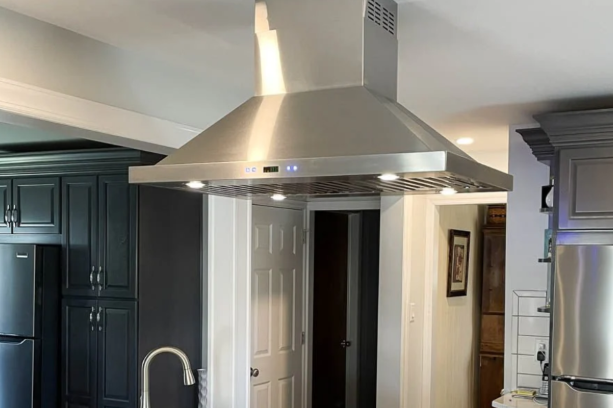
Large cooktops generate significant heat, smoke, and airborne grease that must be managed effectively. In open kitchen layouts, ventilation becomes even more critical for comfort and cleanliness. 36-inch island range hoods are often considered for their balance of coverage and design suitability. Positioned above island cooktops, it supports airflow without obstructing sightlines or movement. Understanding whether this size meets modern cooking demands requires evaluating performance, space, and usage patterns. By examining airflow capacity, installation factors, and everyday practicality, homeowners can determine if this ventilation solution aligns with current kitchen needs and long-term cooking habits in residential environments today.
Coverage and Compatibility With Large Cooktops
Proper hood sizing is essential for capturing smoke and grease effectively. For many island installations, 36-inch island range hoods are designed to extend slightly beyond the width of standard cooktops, improving capture efficiency. This coverage helps ensure that rising smoke and steam are drawn into the hood rather than dispersing into the kitchen. When paired with appropriate mounting height and placement, this size can support large cooktops used for frequent or high-heat cooking without overwhelming the space visually or functionally.
Airflow Capacity and Ventilation Power
Airflow strength determines how well a range hood manages cooking byproducts. Many island range hoods are equipped with blowers ranging from moderate to high CFM ratings, allowing them to handle multiple burners operating simultaneously. Adjustable fan speeds provide flexibility, enabling users to increase ventilation during intense cooking and reduce noise during lighter tasks. Adequate airflow is especially important in island kitchens, where there are no surrounding walls to contain smoke, making effective suction essential for maintaining air quality.
Design Considerations for Open Kitchens
Island kitchens emphasize openness and visual continuity, making appliance design an important factor. 36-inch island range hoods are often chosen because they provide sufficient ventilation while maintaining a balanced proportion with the cooktop and island structure. Sleek materials, clean lines, and minimalist profiles allow the hood to function as a focal point without dominating the space. This balance of form and function supports both aesthetic goals and practical ventilation needs in contemporary homes.
Installation and Space Requirements
Installation plays a significant role in overall performance. Ceiling height, ducting options, and mounting distance all affect how well 36-inch island range hoods operate. Proper installation ensures optimal airflow and minimizes noise or vibration. Ducted systems typically provide stronger ventilation, while ductless configurations rely on filtration systems to recirculate air. Understanding these requirements helps homeowners plan effectively and avoid performance limitations caused by improper setup.
Noise Levels and Daily Comfort
Ventilation effectiveness should not come at the expense of comfort. Modern island range hoods are designed with noise reduction features that help maintain a pleasant kitchen environment. Multiple speed settings allow users to manage noise levels based on cooking intensity. Quiet operation is particularly important in open-concept homes, where kitchen sounds can travel easily into living areas.
Maintenance and Long-Term Efficiency
Regular maintenance ensures consistent performance over time. Removable grease filters and accessible components make cleaning straightforward for island range hoods. Routine upkeep prevents buildup that can reduce airflow efficiency and strain internal components. Long-term reliability depends on maintaining these elements, which helps preserve both air quality and appliance durability.
Conclusion
Choosing the right ventilation solution ultimately comes down to matching performance with your cooking habits and kitchen layout. A properly sized island hood can enhance airflow, support cleaner indoor air, and complement modern open designs when selected carefully. Evaluating airflow ratings, installation requirements, and long-term maintenance helps ensure reliable results, and many homeowners decide to buy 36-inch range hood options that align with both functional needs and aesthetic preferences. This approach supports efficient ventilation while maintaining balance and comfort in larger kitchen spaces over time.