

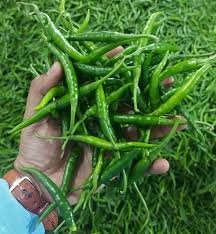
Green chillies are an essential ingredient in Indian kitchens, adding spice, flavor, and character to countless dishes. From household cooking to restaurants and food processing units, the demand for fresh green chillies remains steady throughout the year. However, one thing that often confuses buyers, farmers, and traders alike is the frequent fluctuation in prices. Understanding why these changes happen is crucial for making informed buying and selling decisions in the market.
This blog offers a detailed guide to understanding daily price movements of fresh green chillies, the factors that influence them, and how different stakeholders can track and respond to these changes effectively.
Importance of Green Chillies in the Indian Market
Green chillies are grown extensively across India and are consumed in almost every region. States like Andhra Pradesh, Karnataka, Maharashtra, Tamil Nadu, and West Bengal play a major role in cultivation and supply. Because green chillies are used daily in households, even a small change in price is immediately noticed by consumers.
The green chilli rate is not just a concern for buyers but also a key indicator for farmers and traders who depend on market stability for their livelihood. Since green chillies are perishable, their pricing is highly sensitive to market conditions.
Why Do Green Chilli Prices Fluctuate Daily?
Daily price fluctuations in green chillies are common and influenced by multiple interconnected factors. Unlike processed or packaged goods, fresh vegetables respond quickly to changes in supply and demand.
1. Seasonal Production Cycles
Green chilli cultivation depends heavily on seasons. During peak harvesting periods, supply increases significantly, leading to lower prices. Conversely, during off-season months or crop transition periods, reduced availability often causes a rise in the green chilli rate.
2. Weather Conditions
Weather plays a critical role in crop health. Excess rainfall, drought, floods, or extreme heat can damage crops, reduce yield, and disrupt supply chains. Even short-term weather changes can impact daily arrivals in markets, directly affecting prices.
3. Demand from Consumers and Businesses
Demand varies across regions and time. Festivals, wedding seasons, and increased restaurant activity can boost demand suddenly. When demand rises faster than supply, prices tend to increase. Similarly, lower demand can result in reduced rates.
Role of Mandis and Wholesale Markets
Agricultural mandis are the backbone of vegetable price discovery in India. The daily arrival volume in mandis determines how prices move. If more farmers bring produce to the market on a particular day, rates usually drop. If arrivals are low, prices increase.
Wholesale traders also influence the green chilli rate by stocking produce based on expected future demand. In some cases, speculation or hoarding can temporarily push prices upward, especially when supply is tight.
Transportation and Logistics Impact
Green chillies require fast transportation to maintain freshness. Any disruption in logistics—such as fuel price hikes, transport strikes, roadblocks, or vehicle shortages—can increase transportation costs. These additional costs are often passed on to buyers, increasing retail prices.
Distance between farms and consumption markets also matters. Chillies transported from distant states usually cost more than locally sourced produce, impacting daily price variation.
Quality and Variety Differences
Not all green chillies are priced equally. Factors such as size, color, pungency, freshness, and variety significantly influence pricing. For example, long, dark green, and spicy varieties generally fetch higher prices compared to smaller or less pungent ones.
Buyers should understand that differences in quality can cause noticeable variations in the green chilli rate even within the same market on the same day.
Impact of Storage and Shelf Life
Green chillies have a limited shelf life. Farmers and traders cannot store them for long without proper cold storage facilities. When supply exceeds demand, sellers often reduce prices quickly to avoid spoilage. This urgency can cause sudden drops in rates, especially during peak harvest periods.
Lack of adequate storage infrastructure in many regions contributes to unstable pricing and daily fluctuations.
Government Policies and Market Interventions
Government decisions also affect vegetable prices indirectly. Policies related to fuel prices, transportation, agricultural subsidies, and market regulations influence the overall cost structure. Occasionally, export restrictions or increased imports can impact domestic availability and pricing.
Minimum support prices are generally not applicable to vegetables like green chillies, making the market more volatile and demand-driven.
How Farmers Can Benefit from Price Awareness
For farmers, tracking daily market trends is essential. Knowing the prevailing green chilli rate in nearby mandis helps them decide when and where to sell their produce. Farmers who stay informed can avoid distress selling and choose better timing for harvesting and transportation.
Using digital mandi platforms, mobile apps, and local market reports can help farmers gain better price visibility and bargaining power.
Tips for Traders and Retailers
Traders and retailers should monitor supply patterns and consumer demand closely. Maintaining good relationships with farmers, ensuring efficient logistics, and avoiding overstocking can help manage risks associated with price volatility.
Understanding daily price movements also allows retailers to set competitive prices while maintaining reasonable profit margins.
How Consumers Can Track Prices Smartly
Consumers often feel the impact of fluctuating prices directly. To manage expenses, buyers can compare prices across local markets, buy seasonal produce, and adjust consumption based on availability.
Many online platforms and local mandi portals now provide daily updates on vegetable prices, making it easier for consumers to stay informed about the green chilli rate before purchasing
Future Outlook of Green Chilli Pricing
With the increasing use of technology in agriculture, price transparency is gradually improving. Digital marketplaces, real-time price tracking, and improved logistics are expected to reduce extreme volatility in the coming years.
However, factors like climate change and unpredictable weather patterns may continue to influence production cycles, keeping some level of fluctuation inevitable.
Conclusion
Daily price fluctuations of fresh green chillies are driven by a complex mix of seasonal supply, weather conditions, demand trends, transportation costs, and market dynamics. Understanding these factors helps farmers make better selling decisions, traders manage inventory effectively, and consumers plan their purchases wisely.
By staying informed about market movements and tracking the green chilli rate regularly, all stakeholders can reduce uncertainty and navigate the vegetable market more confidently. Awareness and timely information remain the key to dealing with price volatility in fresh produce markets.
