

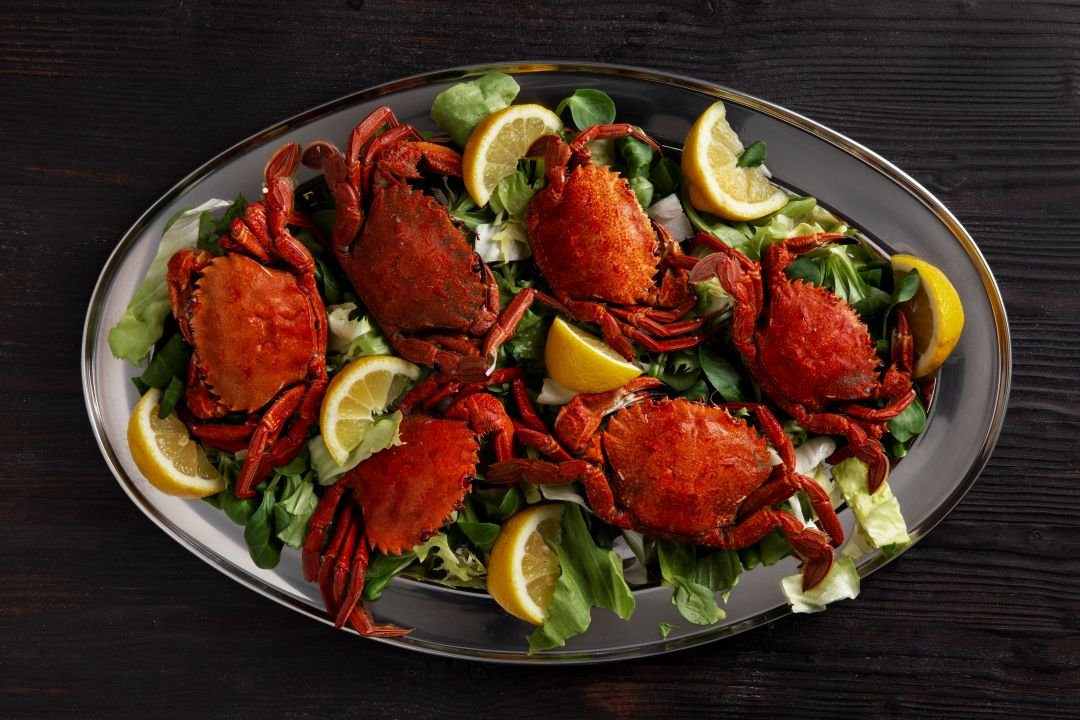
Sustainable seafood begins with respect for the sea and the people who depend on it. In Ireland, responsible fishing is not a trend. It is a tradition shaped by coastal life.
Sustainable Seafood Ireland reflects this balance between nature, quality, and community. Loughshinny crab stands out because it follows clear, careful practices from sea to shore. These methods protect marine life while delivering fresh, trusted seafood to restaurants and homes.
When seafood is harvested with care, it tastes better and lasts longer. This article explains how sustainability shapes every step behind Loughshinny crab and why it matters to buyers across Ireland.
The Importance of Sustainability in Irish Seafood
Sustainability keeps Irish seas healthy. It also protects fishing jobs for future generations. Without balance, stocks decline, and quality suffers.
Ireland follows strict fishing rules. These include size limits, seasons, and catch controls. Bord Iascaigh Mhara reports that managed fisheries recover faster and stay productive longer.
For restaurants and retailers, sustainability builds trust. Diners want to know where food comes from. They care about the sea and local communities. Choosing responsible seafood meets these expectations.
Sustainable practices also improve consistency. Healthy waters produce better shellfish. That reliability supports menus and supply chains across Ireland.
Read More: Why Flower Delivery 24 Is Becoming a Trusted Name in Ireland
Fishing Methods That Protect Crab Stocks
Loughshinny crab is caught using pots, not heavy nets. This method is gentle on the seabed. It reduces damage to other marine life.
Pot fishing allows fishers to release undersized crabs. This helps stocks grow and renew. The Marine Institute supports pot fishing as a low-impact method.
Crabs are lifted carefully from the water. Stress stays low. Lower stress improves meat quality.
These methods protect both the crab and the habitat. They show how fishing can work with nature, not against it.
Sustainable Seafood Ireland and Local Fishing Communities
Sustainability is about people too. Loughshinny is a small coastal village. Fishing supports local families and skills passed down over generations.
Local sourcing keeps money in the community. It supports boats, markets, and transport jobs. Bord Bia notes that local food systems strengthen rural economies.
When buyers choose responsibly sourced crab, they support Irish livelihoods. This connection matters to restaurants and retailers who value transparency.
Local pride also drives higher standards. Fishers care deeply about their waters. They protect what feeds their families and future.
Handling and Storage That Reduce Waste
Sustainability continues after the catch. Poor handling leads to waste. Careful handling protects quality and reduces loss.
Crabs are kept cool from landing to delivery. Temperature control slows spoilage. The Food Safety Authority of Ireland highlights chilling as key for shellfish safety.
Fast delivery shortens the supply chain. Less time means less waste. Fresh crab needs fewer preservatives and less processing.
Reducing waste helps the environment and the business. It saves resources and improves value for buyers.
Traceability Builds Trust for Buyers
Traceability means knowing the story behind seafood. Restaurants and retailers want clear answers.
Loughshinny crab offers transparency. Buyers know where and how it was caught. This clarity supports food safety and brand trust.
Research from the Marine Stewardship Council shows that traceable seafood improves consumer confidence. People trust food with a clear origin.
For trusted sourcing, many buyers choose sustainable Irish seafood suppliers who focus on openness and care.
Why Sustainability Improves Taste and Quality
Healthy seas produce better seafood. This link is simple but powerful.
Crabs from clean waters grow stronger shells and fuller meat. They taste sweeter and cook better. Sustainable fishing protects these conditions.
Lower stress during capture also helps. Calm handling preserves texture. Chefs notice this difference on the plate.
Quality and sustainability go hand in hand. Protecting the sea protects flavour.
Frequently Asked Questions
Q1: What makes seafood sustainable in Ireland?
Sustainable seafood follows rules on size, season, and methods. These protect stocks and habitats while supporting fishing communities.
Q2: Why is pot fishing better for crab?
Pot fishing causes less seabed damage. It allows undersized crabs to be released safely, protecting future stocks.
Q3: Does sustainable seafood cost more?
Not always. Reduced waste and better quality often balance costs. Long-term supply also protects pricing.
Q4: Why do restaurants care about sustainability?
Diners value ethical food choices. Sustainability builds trust, protects supply, and supports brand reputation.
Q5: How can buyers check seafood sustainability?
Look for local sourcing, traceability, and responsible fishing methods. Trusted suppliers share this information openly.
