

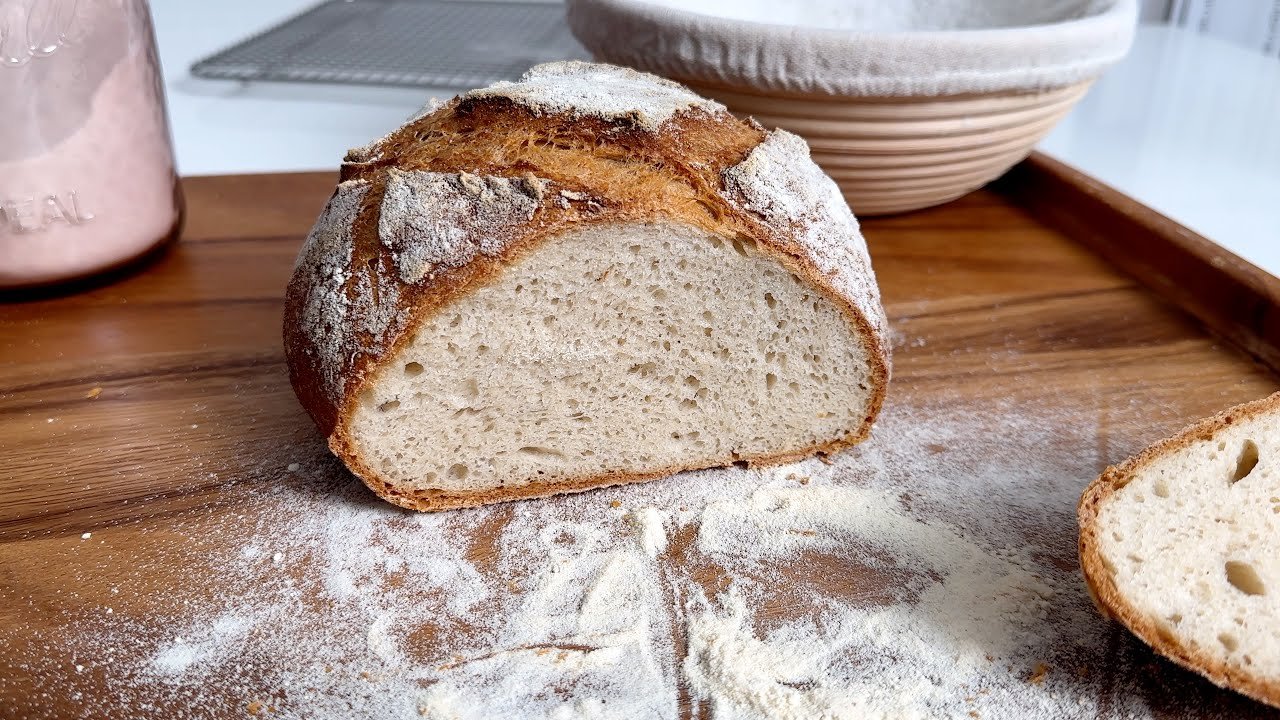
Good bread starts long before mixing begins. The choice of flour shapes texture, structure, and flavour more than any other ingredient. For home bakers, small bakeries, and anyone learning to bake consistently, understanding what separates ordinary flour from excellent bread flour removes much of the guesswork from the process.
The first quality that defines strong baking performance is protein content. Flour made for bread usually contains more protein than flour used for cakes or pastries. Protein matters because it forms gluten when mixed with water. Gluten creates the elastic network that traps gas during fermentation. Without enough strength in this network, dough spreads instead of rising, resulting in dense loaves. High-quality bread flour provides enough structure to support long fermentation while still allowing the dough to stretch without tearing.
Consistency is another important factor. Reliable flour behaves the same way from batch to batch. This allows bakers to predict hydration levels, kneading time, and proofing behaviour. Inconsistent flour forces constant adjustments, which often leads to uneven results. Professional bakers rely on stable flour because small differences in absorption or strength can change the final loaf. For home bakers, consistency reduces frustration and helps build confidence as skills improve.
Milling quality also plays a major role. Well-milled flour produces uniform particles that absorb water evenly. When flour contains too many coarse fragments or damaged starch, dough can feel sticky or weak. Proper milling supports smooth dough development and improves the final crumb structure. This is especially noticeable in lean breads where flour, water, salt, and yeast carry the entire result. Strong bread flour allows these simple ingredients to perform at their best.
Another often overlooked aspect is flavour. Flour is not neutral. Wheat variety, growing conditions, and milling methods all influence taste. Good flour brings mild sweetness and depth without overpowering other ingredients. During fermentation, enzymes break down starches into sugars, contributing to browning and aroma during baking. Flour with balanced enzymatic activity produces crust colour and flavour naturally, without the need for additives or excessive sugar.
Water absorption is closely tied to performance. Strong flour absorbs more water, which helps create open crumb structures and moist interiors. Dough made with lower-quality flour often feels wet at first but dries out during baking. In contrast, dough made with well-balanced bread flour retains moisture, extending shelf life and improving eating quality even a day after baking. This is one reason artisan bakers pay close attention to flour selection rather than relying only on technique.
Handling characteristics also matter, especially for beginners. Dough made from suitable flour feels elastic and responsive during mixing and shaping. It holds tension when formed into loaves and recovers slowly when pressed. These signs indicate that gluten development is working correctly. Flour that lacks strength produces dough that tears easily or collapses during proofing, making shaping difficult and results unpredictable.
Nutritional value is another consideration for modern consumers. Bread is often misunderstood in discussions about health, yet flour provides carbohydrates for energy along with small amounts of protein, minerals, and fibre depending on extraction rate. Choosing high-quality bread flour ensures fewer processing compromises and supports better overall baking outcomes without unnecessary additives.
Storage and freshness also affect performance. Flour absorbs moisture and odours from its environment, which can weaken gluten formation over time. Keeping flour in airtight containers away from heat and humidity helps preserve quality. Fresh flour performs more predictably, allowing fermentation and oven spring to occur as expected.
Great baking is rarely about complicated techniques. It often comes down to understanding ingredients and allowing them to work properly. Flour with strong protein structure, reliable milling, balanced flavour, and consistent absorption creates the foundation for successful bread. Once this foundation is in place, methods such as fermentation timing and shaping become easier to manage.
For anyone seeking better baking results, attention to flour quality offers one of the simplest improvements. The difference becomes clear in dough handling, crust development, and overall texture. When the right bread flour is chosen, the baking process feels more controlled, and the final loaf reflects both skill and ingredient quality rather than chance.
