

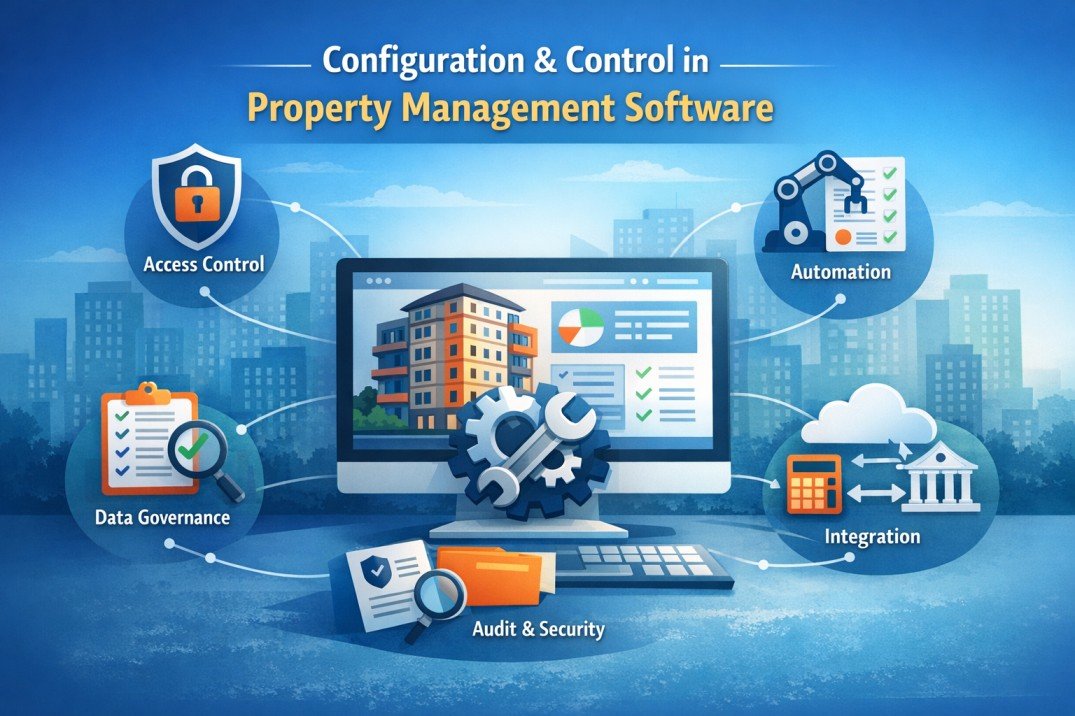
Property management platforms have evolved into complex operational systems that support leasing, maintenance tracking, accounting, tenant communication, and compliance monitoring. Effective configuration and control mechanisms determine how reliably these systems operate across diverse portfolios. Organizations rely on structured system configuration to standardize workflows, enforce policies, and maintain data integrity across multiple properties. As digital transformation continues across the real estate sector, understanding how configurable controls function within management platforms becomes essential for administrators, developers, and technology planners alike.
Understanding Configuration Layers in Modern PMS Platforms Design
Configuration in property systems typically operates across multiple layers, including system-level settings, property-level controls, and user-specific permissions. These layers allow organizations to adapt workflows without modifying core application logic. In the context of property management software development, configuration architecture determines how flexible and scalable the platform becomes over time.
System configuration often includes rule engines, metadata definitions, and workflow templates. These elements allow administrators to define operational logic such as lease approval sequences, rent calculation rules, and maintenance escalation procedures.
Common configuration layers include:
- Organization-wide operational policies
- Property-specific financial rules
- Tenant communication preferences
- Maintenance workflow triggers
- Reporting and compliance templates
A well-designed configuration framework separates business rules from application code, ensuring that updates can be implemented without disrupting production environments.
Role of Access Control Models in Property Operations Systems
Access control ensures that sensitive operational and financial information remains protected while still allowing teams to collaborate effectively. Role-based access control, attribute-based access control, and hierarchical permission models are commonly implemented within property platforms.
Permission configuration often includes:
- Administrative access privileges
- Leasing agent workflow permissions
- Vendor access limitations
- Tenant portal visibility controls
- Financial reporting restrictions
Access configuration directly influences system governance and audit readiness. Improper permission structures can lead to unauthorized data changes or compliance risks.
During property management software development, engineers typically design authentication and authorization modules alongside user management systems to maintain platform integrity. Access policies must also align with local data protection regulations and organizational security frameworks.
Key Modules That Require Careful Configuration Management Practices
Not all modules within property platforms require the same level of configuration oversight. Certain components directly affect revenue, compliance, and tenant experience, making configuration accuracy critical.
High-impact modules include:
- Lease lifecycle management
- Rent calculation engines
- Maintenance scheduling systems
- Accounting synchronization tools
- Document management workflow
Each module contains configurable parameters that influence automation and reporting outcomes. For example, rent calculation configuration may include tax rules, proration logic, discount structures, and late fee schedules.
Understanding how to develop property management app architecture requires prioritizing configuration governance within these operational modules. Poor configuration design often leads to manual overrides, inconsistent reporting, and operational inefficiencies.
Configuration validation protocols and staging environments help organizations test changes before deployment, reducing risk across production systems.
Data Governance Policies Within Property Administration Tools
Data governance defines how information is structured, validated, stored, and accessed across property portfolios. Configuration plays a central role in enforcing governance standards through validation rules, naming conventions, and automated data checks.
Examples of configurable governance controls include:
- Required lease documentation fields
- Standardized tenant identification formats
- Financial ledger validation rules
- Maintenance request categorization standards
- Vendor compliance documentation requirements
In property management software development, governance configuration often integrates with database schema design and reporting frameworks. Administrators must ensure that configuration rules align with organizational audit policies.
Data governance configuration also helps maintain reporting consistency across properties operating in different regions or regulatory environments. Without standardized configuration policies, data fragmentation can occur, making portfolio-level analysis difficult.
Automation Rules and Workflow Controls for Leasing Tasks Management
Automation is one of the most valuable outcomes of configurable property platforms. Workflow configuration enables repetitive operational tasks to execute consistently without manual intervention.
Typical leasing workflow automation includes:
- Application review routing
- Lease approval notifications
- Document generation triggers
- Payment reminder scheduling
- Renewal deadline alerts
Automation configuration requires clearly defined business logic. Rule conflicts or incomplete conditions can disrupt operational workflows.
When planning property management software development, automation engines are often implemented using configurable rule frameworks rather than hard-coded logic. This approach allows property managers to modify workflows as policies evolve.
Workflow configuration also supports operational transparency by documenting decision logic and approval pathways within the system.
Security Permissions and Audit Trails in PMS Environments Systems
Security configuration extends beyond login authentication. Audit trails, activity logs, and change tracking mechanisms ensure operational accountability across property systems.
Configurable audit features typically include:
- User activity logging
- Lease modification tracking
- Financial transaction audit records
- Document access history
- Configuration change logs
These controls allow administrators to monitor system usage and investigate discrepancies when necessary.
The property management software development cost often increases when advanced security configuration and compliance monitoring features are included. However, these capabilities are essential for organizations managing large property portfolios or regulated housing environments.
Audit configuration ensures traceability, which supports both internal governance and external compliance requirements.
Integration Settings for Accounting and Tenant Portals Configuration
Modern property platforms rarely operate in isolation. Integration configuration enables communication between accounting systems, tenant portals, payment gateways, and maintenance vendor platforms.
Integration configuration typically includes:
- API credential management
- Data synchronization schedules
- Error-handling rules
- Field mapping definitions
- Notification triggers
Proper configuration prevents data duplication and synchronization failures between systems.
Organizations using custom software development services often prioritize configurable integration layers to support long-term system interoperability. As accounting standards or tenant communication platforms evolve, integration configuration allows updates without system redesign.
Integration testing environments are commonly used to validate configuration changes before deployment.
Strategies for Maintaining Configurable Property Systems Reliability
Maintaining configuration reliability requires governance processes, documentation standards, and periodic audits. Configuration drift can occur when multiple administrators modify system rules without coordination.
Recommended configuration management strategies include:
- Configuration documentation repositories
- Version-controlled configuration templates
- Scheduled configuration audits
- Change approval workflows
- Administrator training protocols
In property management software development, long-term system reliability depends on treating configuration as a managed operational asset rather than a one-time setup activity.
Organizations that implement configuration governance frameworks typically experience fewer workflow disruptions and more predictable reporting outcomes.
Configuration monitoring tools can also detect rule conflicts or unused automation scripts, helping maintain system performance over time.
Conclusion
Configuration and control mechanisms form the operational backbone of modern property administration platforms. From access permissions and workflow automation to integration settings and governance policies, configurable systems allow organizations to standardize processes while remaining adaptable to regulatory and operational changes. Careful planning, documentation, and oversight ensure that management platforms remain reliable, secure, and aligned with organizational objectives as property portfolios expand and operational complexity increases.
