

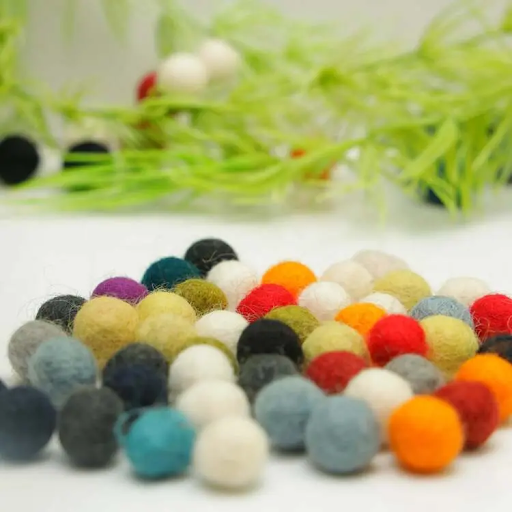
Custom wool decor has gained remarkable attention among interior designers, boutique owners, and gifting brands seeking handcrafted appeal. Whether you are considering a ball garland for a nursery, festive installation, or retail display, understanding the essentials before placing a custom order ensures both quality and value. Wool décor items combine craftsmanship, sustainability, and artistic expression, but thoughtful evaluation is necessary to achieve the desired outcome.
Material Quality and Fiber Selection
The foundation of any wool décor product lies in the quality of raw materials used. Fiber type, processing technique, and ethical sourcing significantly influence durability and visual appeal.
- Type of Wool Used
High-quality decor pieces are typically made from natural sheep wool that is carded and felted through traditional methods. Pure wool offers better resilience, vibrant color absorption, and long-term shape retention. Blended or synthetic fibers may reduce cost but often compromise texture and durability. - Felting Process and Density
The firmness of the product depends on how tightly the wool is felted. Densely compressed wool ensures décor items maintain their structure over time. When ordering custom pieces, requesting details about compression techniques helps avoid loosely formed items that may deform. - Sustainability and Ethical Sourcing
Responsibly sourced wool supports artisan communities and promotes eco-conscious production. Ethical sourcing ensures animals are treated humanely, and artisans are fairly compensated. This factor adds value to the product beyond aesthetics. - Color Quality and Dyeing Methods
Natural, azo-free dyes provide rich and lasting colors. Professionally dyed wool resists fading and bleeding. Clarifying dye standards before ordering ensures the final décor complements your intended interior palette.
Customization Options and Design Specifications
Custom wool décor allows flexibility in size, color combinations, patterns, and finishing details. Clear communication with the manufacturer prevents misunderstandings and ensures expectations align with final delivery.
- Size and Dimension Accuracy
Whether for wall décor, nursery styling, or festive accents, measurements matter. Providing exact dimensions prevents disproportionate designs. Discuss tolerances in handmade products, as slight variations are natural in artisan work. - Color Coordination and Palette Matching
Custom color schemes allow coordination with specific themes. Requesting sample swatches or digital previews reduces the risk of mismatched tones. Consistency across bulk orders is essential for commercial buyers. - Design Complexity and Craftsmanship Level
Intricate patterns require experienced artisans and additional production time. Discussing design feasibility ensures realistic timelines. Handmade detailing enhances charm but should be balanced with practicality. - Product Functionality and Purpose
Clarifying whether the décor is purely decorative or functional helps guide design choices. For instance, nursery décor may require softer finishes and secure stitching compared to event installations.
Production Timeline and Order Planning
Handcrafted wool products require thoughtful production scheduling. Understanding timelines helps avoid delays and ensures inventory readiness.
- Lead Time for Handmade Production
Artisan-made décor is not mass-produced overnight. Production duration depends on order quantity and complexity. Discussing lead time in advance supports proper planning, especially for seasonal sales. - Minimum Order Quantities
Many manufacturers set minimum order limits for custom production. Reviewing these requirements helps determine budget feasibility. Bulk production may reduce the cost per unit but requires storage planning. - Quality Control Procedures
Reliable suppliers conduct inspections before dispatch. Quality checks verify stitching strength, color consistency, and finishing details. Confirming inspection protocols reduces the risk of defective shipments. - Shipping and Packaging Standards
Wool décor should be packed carefully to preserve its shape. Protective packaging ensures products arrive without deformation. International shipping may require additional documentation and clear labeling.
Aesthetic Appeal and Market Relevance
Wool décor trends evolve with interior styling preferences. Assessing market demand ensures your custom order aligns with current design aesthetics.
- Nursery and Children’s Decor Trends
Soft pastel shades and handcrafted accents are popular for children’s spaces. Products like felted wool balls are often integrated into garlands, mobiles, and playful wall art for cozy appeal. - Seasonal and Festive Applications
Wool décor is widely used during holiday seasons for warm, textured styling. Custom pieces can be tailored for Christmas, autumn themes, or cultural celebrations. - Retail Display Enhancements
Boutiques often incorporate handmade wool accents to create inviting store environments. Visually appealing décor enhances customer experience and reflects artisanal branding. - Home Styling Versatility
Neutral tones and textured wool elements complement modern, bohemian, and rustic interiors. Custom orders should balance timeless design with subtle trend alignment.
Pricing Structure and Budget Considerations
Understanding cost components prevents unexpected expenses and ensures transparent transactions.
- Material and Labor Costs
Handmade wool décor pricing reflects artisan skill and raw material quality. Higher craftsmanship standards may increase cost but also enhance longevity and appeal. - Customization Charges
Unique designs, special color blends, or intricate patterns may involve additional fees. Clarifying customization costs beforehand prevents budget overruns. - Shipping and Import Duties
International orders may attract shipping fees and customs duties. Factoring these into the final budget ensures accurate financial planning. - Long-Term Value Assessment
Investing in durable handcrafted décor reduces replacement frequency. Quality wool items often maintain their appearance for years with proper care.
Quality Indicators in Decorative Pieces
Before finalizing your order, evaluating quality markers ensures satisfaction and customer trust.In many interior styling projects, a carefully crafted ball garland becomes a focal decorative element.
- Shape Consistency and Firmness
Uniform structure indicates professional craftsmanship. Evenly shaped pieces maintain a polished look in decorative arrangements. - Secure Stitching and Assembly
For garlands or hanging décor, strong threadwork prevents breakage. Reliable assembly ensures safety, especially in children’s environments. - Texture and Finish Smoothness
Properly crafted felted wool balls should feel smooth without loose fibers. A refined finish reflects skilled felting techniques. - Durability Under Handling
Wool décor should withstand gentle handling without shedding excessively. Testing sample products helps assess resilience.
Conclusion
Ordering custom wool décor requires attention to material quality, craftsmanship standards, customization clarity, and long-term maintenance considerations. By evaluating fiber authenticity, production timelines, and finishing details, buyers can ensure that their investment delivers both aesthetic charm and durability. Selecting the right supplier also plays a significant role in achieving consistent results and reliable service.
For those seeking artisanal craftsmanship combined with dependable wholesale expertise, many global buyers turn to trusted manufacturers such as Best Himalaya, known for producing premium wool décor along with the best wool dryer balls that reflect authentic handmade excellence. Thoughtful sourcing ensures that each decorative piece not only enhances interiors but also supports traditional craftsmanship and sustainable production practices.
