

The ocean is quiet, vast, and indifferent. Beneath its surface, even experienced divers can encounter moments where breathing feels tighter, visibility narrows, and the mind begins to race. Panic underwater does not arrive with warning, it emerges from small triggers: equipment discomfort, unexpected currents, or a sudden loss of orientation. What separates a controlled diver from a distressed one is not strength or experience alone; it is training in panic management.
Rescue diver programs focus heavily on preventing and managing panic because it remains one of the leading causes of diving incidents. These courses go beyond technical skill and emphasize mental discipline, situational awareness, and controlled response under stress. Panic management is not simply an emergency skill, it is the foundation of safe diving.
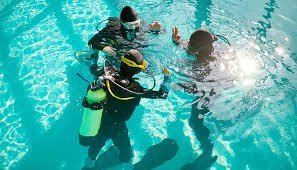
Understanding Panic in an Underwater Environment
Panic underwater is fundamentally different from panic on land. At depth, divers cannot simply stand up, remove equipment, or call for help in the usual ways. Rapid breathing consumes air quickly, buoyancy control becomes erratic, and poor decision-making can escalate a manageable situation into a serious emergency.
Physiologically, panic triggers a surge of adrenaline. Heart rate increases, breathing becomes shallow and fast, and cognitive processing narrows. In diving, these reactions can lead to:
- Rapid air depletion
- Uncontrolled ascents
- Equipment misuse
- Disorientation
- Failure to communicate distress
Rescue diver training recognizes that panic (passive or active) often begins subtly. A diver might feel discomfort with a mask, struggle with buoyancy, or become anxious in low visibility. Without intervention, these small stressors can cascade into full panic. This is why panic management is taught as a preventative discipline rather than a reactive one.
Why Panic Management Is Central to Rescue Diver Training?
Rescue diver courses are structured around anticipation and response. While basic certification teaches survival skills, rescue-level training teaches divers to recognize early signs of stress, in themselves and others, and intervene before escalation.
The central philosophy is simple: prevention is more effective than response. Panic management training equips divers to:
- Identify stress triggers underwater
- Regulate breathing and buoyancy
- Maintain situational awareness
- Assist distressed divers calmly
- Execute controlled emergency procedures
This level of training transforms divers from passive participants into active safety managers within their dive teams.
Recognizing Early Signs of Diver Stress
Before panic becomes visible, it often presents as mild stress. Rescue diver programs train students to observe behavioural and physical cues that indicate a diver may be approaching distress.
Common early signs include:
- Rapid or erratic fin movements
- Frequent adjustments to equipment
- Wide or unfocused eyes
- Heavy breathing
- Poor buoyancy control
- Clinging to objects or other divers
By recognizing these indicators early, trained divers can intervene through reassurance, proximity, and simple corrective actions. Early intervention often prevents a full panic response.
Core Techniques Taught for Panic Management
Controlled Breathing
Breathing is the first and most important tool for managing panic. Rescue diver training emphasizes slow, deliberate inhalations and extended exhalations to stabilize heart rate and conserve air. Controlled breathing also improves buoyancy control and mental clarity.
Divers are trained to pause, focus on breathing rhythm, and regain composure before attempting any corrective action. This simple technique can stop panic from escalating within seconds.
Buoyancy Stabilization
Loss of buoyancy control often accompanies panic. Divers may unintentionally ascend or descend, increasing stress and risk. Rescue courses teach divers to stabilize themselves first before assisting others.
Techniques include:
- Establishing neutral buoyancy
- Using visual references
- Maintaining proper trim
- Avoiding rapid movements
Stabilization creates a platform from which clear decisions can be made.
Task Prioritization
In a panic scenario, divers are taught to follow a structured response sequence:
- Stop and breathe
- Think and assess
- Act deliberately
This approach prevents impulsive reactions. Divers learn to break situations into manageable steps rather than attempting multiple actions simultaneously.
Physical Intervention Skills
When another diver panics, physical assistance may be required. Rescue diver training covers safe approaches to distressed divers, including:
- Maintaining distance initially
- Establishing eye contact
- Offering alternate air sources
- Controlling buoyancy
- Preventing uncontrolled ascents
These techniques are practiced repeatedly to ensure calm execution in real scenarios.
The Role of Scenario-Based Training
One of the most effective elements of rescue diver courses is scenario simulation. Students are placed in controlled environments where they must respond to realistic emergencies, including panicked divers.
These exercises build muscle memory and confidence. By repeatedly practicing responses, divers reduce hesitation and improve reaction time. Scenario training also helps divers experience controlled stress, making real-life incidents less overwhelming.
Divers often discover that panic management is less about heroics and more about maintaining composure. A calm diver can stabilize a situation quickly, while a panicked rescuer may worsen it.
Psychological Preparedness and Mental Discipline
Rescue diver training places strong emphasis on mindset. Divers are taught that panic is a natural response but must be managed through preparation and awareness.
Mental preparedness includes:
- Pre-dive planning
- Equipment familiarity
- Environmental assessment
- Clear communication
- Confidence in training
When divers feel prepared, they are less likely to panic. Confidence does not eliminate risk, but it reduces uncertainty and improves response.
The Importance of Skill Refreshers
Even experienced divers benefit from periodic retraining. Skills can fade over time, and comfort levels may decrease after long breaks from diving. Enrolling in a refresher course scuba diving helps divers rebuild confidence, review safety procedures, and practice panic management techniques in a controlled environment.
Refresher programs typically include:
- Equipment setup review
- Buoyancy practice
- Emergency procedures
- Controlled ascents
- Communication drills
These sessions reinforce foundational skills that support calm decision-making underwater.
Building Leadership Through Rescue Training
A scuba rescue certification represents more than an additional credential. It signals that a diver has developed the awareness and competence to manage emergencies and support others.
Rescue-trained divers often take on leadership roles within dive groups. They assist instructors, guide less experienced divers, and contribute to overall safety. The ability to manage panic effectively enhances not only personal safety but also team dynamics.
Key leadership benefits include:
- Improved situational awareness
- Stronger communication
- Confidence under pressure
- Enhanced problem-solving
- Greater responsibility within dive teams
These attributes extend beyond diving and reflect disciplined decision-making in high-stress environments.
Preventing Panic Before It Starts
The most effective panic management strategy is prevention. Rescue diver training emphasizes preparation and mindfulness before entering the water.
Preventative measures include:
- Conducting thorough equipment checks
- Planning dives within comfort limits
- Monitoring environmental conditions
- Maintaining hydration and rest
- Communicating clearly with dive partners
Divers who feel physically and mentally prepared are less likely to experience panic. Prevention transforms diving from a reactive activity into a proactive one.
Real-World Applications of Panic Management Skills
Panic management training has direct real-world implications. Many diving incidents are not caused by equipment failure or environmental hazards but by human reaction. Divers who remain calm can resolve issues quickly and safely.
Examples of scenarios where panic management is critical:
- Mask flooding
- Regulator free-flow
- Low visibility
- Strong currents
- Equipment entanglement
- Buddy distress
In each case, the diver’s response determines the outcome. Training ensures that reactions are deliberate rather than instinctive.
Conclusion
Underwater environments demand composure. Panic is not a sign of weakness—it is a natural human response to stress. What matters is the ability to manage it. Rescue diver courses place panic management at the center of training because it underpins every emergency response skill.
Through structured practice, scenario training, and mental conditioning, divers learn to control breathing, stabilize buoyancy, and respond methodically. Enrolling in a refresher course scuba diving helps maintain these critical skills, while earning a SCUBA Rescue Certification signals a diver’s readiness to lead and protect others.
Panic management is not merely a technique taught in rescue courses. It is the discipline that allows divers to move through the underwater world with clarity, confidence, and control.
Divers polled predominantly report that Rescue Diver training is the most rewarding course that they have ever taken.
