

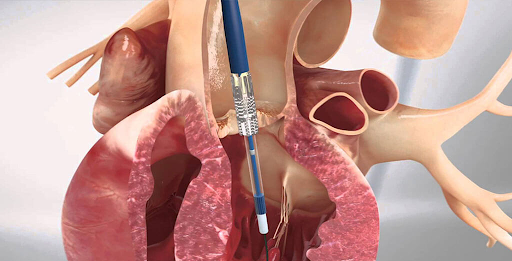
Many people diagnosed with serious valve conditions experience fatigue, shortness of breath, and reduced stamina, making everyday tasks challenging. Medical science has made remarkable progress in treating such conditions with safer and more effective methods, and one widely recommended option is heart valve replacement, which helps restore proper blood flow and significantly improves quality of life. Early detection and timely care play a crucial role in preventing complications and supporting long-term heart health.
Early detection and timely care play a crucial role in preventing complications and supporting long term health. With proper medical guidance, patients can manage symptoms, understand treatment options, and move forward with confidence toward recovery and improved well being.
Understanding How Valves Work
The heart has four valves that guide blood in the correct direction, ensuring the body receives a steady supply of oxygen. When these valves become damaged due to age, infection, or congenital issues, they may not open or close properly. This can cause blood to leak backward or restrict its movement. As a result, the heart works harder to pump blood, which can eventually lead to weakness or failure.
Recognizing symptoms early can help prevent complications. Proper medical evaluation ensures that the right treatment plan is chosen, improving both comfort and daily functioning for patients dealing with valve related problems.
Signs That Need Attention
Changes in daily energy levels can sometimes indicate valve problems. Many individuals ignore symptoms because they develop gradually and seem manageable at first. However, consistent warning signs should never be overlooked.
- Persistent fatigue during routine activities
- Shortness of breath, especially while climbing stairs
- Chest discomfort or pressure
- Swelling in feet or ankles
- Irregular heartbeat or dizziness
These symptoms may not always mean a severe condition, but medical advice is important. A timely diagnosis can prevent long term complications and help patients receive the right treatment before the condition worsens.
Living With a Valve Condition
Many people continue to live normal lives even after being diagnosed with a valve disorder. Managing daily routines with care can help reduce strain on the heart. Maintaining a balanced diet, staying active, and following medical advice all contribute to better health outcomes. Emotional support is also important, as patients may feel anxious or worried about treatment.
Family encouragement and proper information help them stay positive. Doctors often recommend routine checkups to monitor the condition over time. With careful attention, individuals can continue working, traveling, and enjoying their daily lives without major disruptions or constant concern.
When Intervention Becomes Necessary
As the condition progresses, doctors may recommend advanced treatment to restore proper blood flow. In such situations, heart valve replacement becomes an option that can significantly improve symptoms and energy levels. Patients who once struggled with breathlessness often notice improvements after receiving proper care.
The decision is usually made after careful evaluation of the patient’s health, age, and severity of damage. Medical teams explain the procedure in detail so patients understand what to expect. With modern technology and experienced specialists, treatment outcomes have improved greatly, helping people return to active and fulfilling lives with confidence.
Preparation and Planning for Treatment
Preparing for treatment involves both physical and mental readiness. Doctors may advise certain tests to ensure the body is strong enough for the procedure. Patients are encouraged to follow healthy habits such as quitting smoking, eating nutritious meals, and staying active within safe limits. Proper preparation helps reduce complications and supports faster recovery.
Family involvement is also valuable, as emotional support helps patients feel secure. Clear communication with the medical team ensures that concerns are addressed before the procedure. Planning ahead for recovery time allows patients to focus fully on healing without unnecessary stress or worry.
Understanding the Procedure and Care
Modern medical advancements have improved treatment outcomes, making procedures much safer and more effective. One option that has shown excellent results is heart valve replacement surgery, which aims to repair or replace the damaged valve so the heart can function properly again. Recovery plans are designed to support gradual healing and help patients return to their daily routines.
Doctors monitor progress closely to ensure that the new valve works well and that the heart adjusts comfortably. With proper care, many individuals experience improved breathing, increased stamina, and a better overall sense of health. Following medical instructions after treatment helps ensure lasting positive results and a smooth recovery process.
Importance of Continued Monitoring
Follow up care is an important part of maintaining heart health. Even after recovery, regular checkups help doctors ensure that everything remains stable. Routine monitoring helps detect any changes early and keeps patients informed about their condition. Healthy habits such as staying active, eating balanced meals, and managing stress contribute to long term results.
Many individuals find that maintaining these habits becomes easier after they start feeling better. Continued communication with the medical team ensures peace of mind. Over time, these efforts support a healthier lifestyle and reduce the chances of future complications or concerns.
Building Confidence in Medical Care
As medical technology continues to advance, heart valve surgery has become a dependable treatment option for people facing serious valve conditions. Improved methods, better equipment, and skilled specialists have made procedures more efficient and recovery smoother. Patients often report feeling stronger and more active after receiving the right care.
Families also feel relieved knowing their loved ones are in safe hands. Learning about treatment steps and recovery expectations helps remove fear and uncertainty. When patients feel confident and informed, they approach their journey with a positive mindset that supports healing and long term health.
Conclusion
Selecting an experienced specialist ensures that patients receive personalized attention and the highest standard of care during every stage of treatment. Professional expertise combined with compassionate support helps patients feel safe and well guided. Choosing a best cardiac surgeon allows for careful evaluation of each case and planning of the most suitable treatment.
With the right guidance, patients can make informed decisions about their health. For those seeking expert care and trusted medical support, you can confidently consider consulting Dr. Udgeath Dhir for reliable guidance and treatment. His experience and patient focused approach can help individuals take a confident step toward better heart health and long term well being.
