

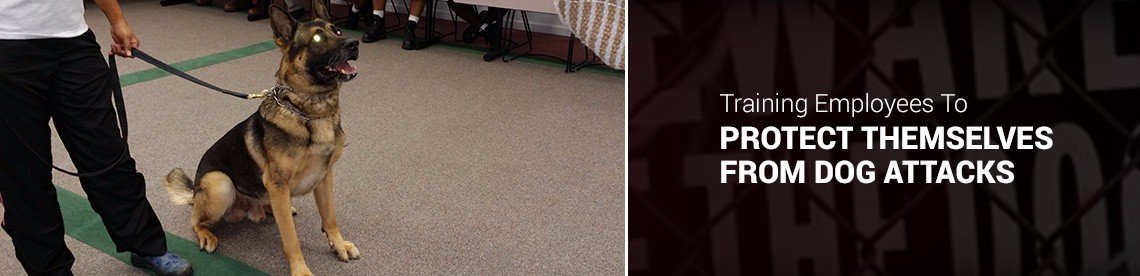
Introduction to Dog Bite Prevention Training
Dog bite prevention training is essential for creating safer interactions between dogs and people in homes, schools, and public spaces. Every year, thousands of people—especially children—are injured in dog-related incidents that could have been prevented with proper education and awareness.
Dog bite prevention training focuses on reducing these risks by teaching both humans and dogs how to communicate safely and respectfully. Whether you are a parent, dog owner, teacher, or community leader, understanding dog bite prevention training can make a significant difference in preventing injuries and promoting responsible pet ownership.
What Is Dog Bite Prevention Training?
Dog bite prevention training focuses on teaching both humans and dogs how to interact safely and respectfully. It is not just about controlling a dog’s behavior—it is about educating people on how to approach, handle, and respond to dogs in different situations.
A comprehensive dog bite prevention training program typically includes:
- Understanding canine body language
- Teaching children how to approach dogs
- Recognizing early warning signs
- Promoting responsible dog ownership
- Socialization and obedience guidance
Dog bite prevention training is designed for dog owners, families, schools, animal professionals, and even workplaces that allow pets. By addressing both sides of the interaction, dog bite prevention training dramatically lowers the chances of dangerous incidents.
Why Dog Bite Prevention Training Is Important
Dog bite prevention training plays a critical role in reducing injuries, liability risks, and emotional trauma. Dog bites can lead to:
- Serious physical injuries
- Scarring and infections
- Psychological trauma, especially in children
- Legal and financial consequences for owners
Many dog bites happen not because a dog is “bad,” but because warning signs were missed or the dog felt threatened. Dog bite prevention training teaches people to recognize these warning signals early and respond appropriately before a situation escalates.
In addition, dog bite prevention training protects dog owners from potential lawsuits and insurance claims. Prevention is always less costly—emotionally and financially—than dealing with the aftermath of an incident.
Common Causes of Dog Bites
Understanding the causes behind dog aggression is a key component of dog bite prevention training. Dogs rarely bite without warning. Most bites occur due to:
- Fear or anxiety
- Pain or illness
- Protecting food, toys, or territory
- Lack of socialization
- Rough handling, especially by children
- Misinterpreting playful behavior
Dog bite prevention training emphasizes that dogs communicate primarily through body language. When those signals are ignored, a bite may follow. Teaching both children and adults to understand these signals is central to effective dog bite prevention training.
Core Components of Effective Dog Bite Prevention Training
Effective dog bite prevention training programs include education, behavior recognition, and safe handling techniques. A strong program typically covers the following areas:
1. Reading Canine Body Language
Participants learn to identify signs of stress, fear, and aggression such as stiff posture, growling, lip licking, yawning, or avoiding eye contact.
2. Safe Approach Techniques
Dog bite prevention training teaches people to ask permission before petting a dog, avoid sudden movements, and approach calmly.
3. Supervision Guidelines
Children should never be left unsupervised with dogs. Proper supervision is one of the most important rules emphasized in dog bite prevention training.
4. Responsible Ownership Practices
Owners learn the importance of training, socialization, regular veterinary care, and proper restraint.
By combining these elements, dog bite prevention training builds safer habits for everyone involved.
Dog Bite Prevention Training for Children
Dog bite prevention training for children is especially important because children are at the highest risk of serious injury. Young children may not recognize warning signs and may unintentionally provoke a dog.
Specialized dog bite prevention training for kids teaches them:
- Always ask before petting a dog
- Avoid hugging or climbing on dogs
- Never disturb a dog that is eating or sleeping
- What to do if a dog approaches aggressively
One common method taught in dog bite prevention training is the “Be a Tree” technique. If a loose dog approaches, children are instructed to stand still, keep their hands by their sides, and avoid eye contact until the dog leaves.
Teaching children these simple steps can significantly reduce the risk of dog bites.
Dog Bite Prevention Training for Dog Owners
Dog bite prevention training helps dog owners better understand their pet’s behavior and responsibilities. Responsible ownership plays a huge role in prevention.
Owners learn about:
- Early socialization with people and other animals
- Obedience training and impulse control
- Managing triggers and stressors
- Proper leash handling
- Secure fencing and containment
Dog bite prevention training also reinforces that owners are legally responsible for their dog’s behavior. Investing in prevention demonstrates responsibility and commitment to community safety.
Professional Dog Bite Prevention Training Programs
Professional dog bite prevention training programs provide structured education for communities, schools, and workplaces. Certified trainers and behavior specialists often conduct workshops and seminars tailored to different audiences.
These programs may include:
- School safety presentations
- Community awareness campaigns
- Veterinary clinic partnerships
- Workplace safety training for delivery workers or staff
Professional dog bite prevention training ensures that accurate, research-based information is delivered in a clear and practical way.
How Dog Bite Prevention Training Reduces Liability
Dog bite prevention training significantly lowers the risk of legal claims and insurance issues. Dog owners can face serious legal consequences if their pet injures someone.
Documented participation in dog bite prevention training may:
- Demonstrate responsible ownership
- Reduce insurance risks
- Help prevent costly lawsuits
- Protect community reputation
Prevention is not just about safety—it is also about legal and financial protection.
Signs a Dog May Bite: What Training Teaches You to Watch For
A major focus of dog bite prevention training is recognizing early warning signs before a bite happens. Dogs usually display signals before escalating to aggression.
Warning signs include:
- Growling or snarling
- Stiff body posture
- Raised fur along the back
- Showing teeth
- Backing away while appearing tense
- Snapping in the air
Dog bite prevention training teaches that these behaviors are warnings, not random acts. Respecting these signals prevents escalation.
How to Choose the Right Dog Bite Prevention Training Program
Choosing the right dog bite prevention training program ensures maximum safety and effectiveness. Look for programs that:
- Use positive reinforcement methods
- Are led by certified trainers
- Offer age-appropriate education
- Provide practical demonstrations
- Have positive community feedback
A high-quality dog bite prevention training program should focus on prevention, compassion, and practical safety skills.
Tips to Reinforce Dog Bite Prevention Training at Home
Dog bite prevention training should continue at home through consistent practice and supervision. Families can reinforce learning by:
- Practicing safe greetings
- Supervising all child-dog interactions
- Teaching children to respect a dog’s space
- Maintaining regular obedience training
- Providing dogs with proper exercise and mental stimulation
Consistency is key. When safety rules are reinforced daily, dog bite prevention training becomes second nature.
The Long-Term Benefits of Dog Bite Prevention Training
Dog bite prevention training creates safer communities, happier dogs, and more confident owners. When people understand canine behavior, fear decreases and trust increases.
Long-term benefits include:
- Fewer injuries
- Stronger human-dog relationships
- Reduced legal risks
- Better community harmony
- Improved animal welfare
Dog bite prevention training promotes empathy and understanding, which benefits both humans and animals alike.
Conclusion: Invest in Dog Bite Prevention Training Today
Dog bite prevention training is not just an option—it is a responsibility for anyone who interacts with dogs. Whether you are a parent, pet owner, educator, or community leader, proactive education can prevent serious injuries and protect lives.
