

Machines work hard every day. From small workshop tools to large factory equipment, many of them depend on a simple but powerful part to run smoothly. That part quietly transfers power from one section to another. When it works well, everything feels easy and steady. But when the quality is poor, problems slowly begin to appear.
You may not notice it at first. A small sound. A slight shake. A little drop in speed. Over time, these small signs can turn into serious machine trouble. Let’s explore how low-quality drive components can affect performance and why paying attention early can save time, money, and stress.
Why This Small Part Matters So Much
Many machines rely on belt-driven systems to move energy from the motor to other parts. This movement allows blades to spin, fans to turn, and wheels to rotate. If the belt is strong and well-made, the machine runs smoothly and safely.
But if the material is weak or poorly made, it struggles to handle pressure and heat. This leads to slipping, stretching, cracking, and even sudden breakage.
A machine is only as strong as its weakest part. When that weak part fails, the whole system suffers.
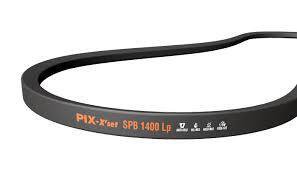
Note: When selecting V Belts for your equipment, quality plays a vital role in long-term performance and safety. For dependable solutions and expert guidance, you can reach out to Pix transmission. Contact them to learn more about choosing the right option for your machine’s needs.
The Hidden Signs of Poor Quality
At first, the warning signs may seem small. Many people ignore them because the machine still works. But these small clues often tell a bigger story.
1. Unusual Noise
A squealing or chirping sound is often the first sign. This happens when the belt slips instead of gripping tightly.
2. Frequent Adjustments
If you need to tighten or adjust it again and again, the material may be stretching too quickly.
3. Overheating
Low-quality materials create more friction. More friction means more heat. Too much heat damages not only the belt but also nearby parts.
4. Reduced Speed or Power
If your machine feels weaker or slower, power may not be transferring properly.
How Machine Performance Slowly Drops
You may wonder, “Can one small part really affect the entire machine?” The answer is yes.
When the belt does not hold its shape or grip properly, the motor must work harder. This extra effort leads to:
- Higher energy use
- More wear on the motor
- Shorter machine life
- Frequent breakdowns
The machine might still run, but it is no longer running at its best.
Below is a simple comparison to show how quality changes performance.
| Factor | High-Quality Belt | Poor-Quality Belt |
|---|---|---|
| Grip Strength | Strong and steady | Slips easily |
| Heat Resistance | Handles heat well | Overheats quickly |
| Lifespan | Long-lasting | Wears out fast |
| Energy Efficiency | Saves power | Wastes power |
| Maintenance Needs | Low | Frequent repairs |
As you can see, the difference may not be visible at first glance, but over time, it becomes very clear.
The Cost You Don’t See Right Away
Low-quality parts often cost less at the time of purchase. This makes them look like a good deal. But what happens next?
Imagine this situation: The belt snaps during operation. Production stops. Workers wait. Orders are delayed. The machine may even suffer damage.
Suddenly, that small saving turns into a much bigger expense.
Hidden costs can include:
- Downtime in production
- Emergency repair charges
- Damage to nearby components
- Loss of customer trust
- Extra labor hours
The real cost is not the price tag. It is the chain reaction that follows.
Safety Risks You Should Not Ignore
Poor-quality materials do not just affect performance. They can also create safety risks.
When a belt breaks suddenly, pieces can fly off at high speed. This may cause injury or damage to surrounding parts. Slipping belts can also cause machines to behave in an unpredictable way.
Safety is not something to gamble with. Choosing reliable components reduces these risks and keeps workplaces safer.
Why Do Poor-Quality Belts Fail So Quickly?
The reasons often include:
- Weak raw materials
- Poor manufacturing process
- Lack of proper testing
- Inconsistent size or shape
If the structure is not balanced or evenly made, it cannot handle daily pressure. Over time, cracks begin to form. Once cracking starts, failure is only a matter of time.
Let’s look at common failure signs and what they mean.
| Visible Sign | What It Usually Means | Possible Result |
|---|---|---|
| Cracks on surface | Material drying out | Sudden break |
| Glazed or shiny sides | Excess friction | Slipping |
| Frayed edges | Misalignment or weak structure | Reduced grip |
| Stretching | Low strength material | Power loss |
| Burn marks | Too much heat | Early failure |
These signs are like warning lights. Ignoring them can lead to bigger damage.
The Impact on Energy Use
One surprising effect of poor-quality belts is increased power use. When slipping occurs, the motor works harder to maintain speed. This extra effort uses more electricity.
Over weeks and months, energy bills slowly rise. Many people do not connect this increase to belt quality, but the link is real.
Better grip means smoother transfer of energy. Smoother transfer means less waste.
How to Prevent Performance Problems
The good news is that these issues can be avoided.
Here are simple steps to protect your machine:
- Inspect regularly for cracks, wear, and stretching
- Replace early instead of waiting for failure
- Check alignment to reduce uneven pressure
- Avoid overloading the machine
- Choose reliable quality from trusted sources
Small checks today can prevent large problems tomorrow.
The Long-Term View
Machines are long-term investments. Treating them with care extends their working life. While it may be tempting to choose cheaper options, the long-term impact often tells a different story.
Think of it like this: would you rather replace one part now, or repair the entire machine later?
The choice may seem small at first. But over time, it makes a big difference in performance, safety, and cost.
For more insightful Articles do visit gettonews
