

Choosing the right belt for industrial use may look simple at first. After all, it’s just a belt that moves power from one part of a machine to another—right?
Not exactly.
A small mistake in belt selection can lead to machine failure, sudden breakdowns, high repair costs, and lost production time. Many businesses do not realize this until it is too late.
Before you make your next decision, here are eight costly mistakes you must avoid. Some of them may surprise you.
Mistake #1 – Ignoring the Exact Load Requirement
One of the most common mistakes is choosing a belt without understanding how much load it needs to carry.
Every machine has a specific amount of force it produces. If the belt is too weak, it may stretch, slip, or even break. If it is too strong for the system, it may cause extra pressure on other parts.
Why This Matters
- Too little strength can lead to sudden failure
- Too much strength can damage shafts and bearings
- Wrong choice increases maintenance costs
Before selecting a belt, always check the load requirement carefully. Guesswork can be expensive.
Note: If you are looking for reliable Industrial Belts that match your exact needs, consider exploring solutions from Pix transmission. The right choice can protect your machines and reduce long-term costs. Contact them to learn more and make a smarter decision for your operations.
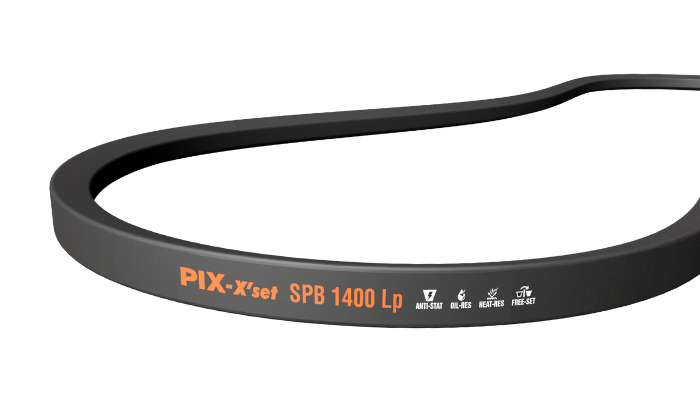
Mistake #2 – Overlooking the Working Environment
Many people focus only on machine size and speed but forget the environment where the belt will work.
Is the area hot? Dusty? Humid? Oily?
Belts react differently under different conditions. Heat can cause early wear. Oil can reduce grip. Dust can increase friction.
Key Environmental Factors to Consider
| Environment Condition | Possible Effect on Belt | What to Consider |
|---|---|---|
| High Temperature | Cracking or hardening | Use heat-resistant material |
| Dusty Area | Faster surface wear | Choose covered or sealed design |
| Moisture | Slipping | Select moisture-resistant type |
| Oily Surface | Reduced grip | Use oil-resistant belt |
Ignoring these factors can shorten belt life dramatically.
Mistake #3 – Choosing Based Only on Price
This mistake happens more often than you think.
A cheaper belt may look attractive at first, but if it wears out quickly, the long-term cost becomes much higher. Frequent replacements, downtime, and labor expenses add up.
The Hidden Cost of Cheap Choices
- Frequent breakdowns
- Production delays
- Higher replacement frequency
- Increased labor costs
Instead of looking only at the price tag, consider the total cost over time.
Mistake #4 – Not Checking Belt Size Properly
Even a small size mismatch can cause serious issues.
If the belt is too tight, it creates extra strain on the machine. If it is too loose, it slips and loses power. Both situations reduce efficiency and damage equipment.
What to Double-Check
- Belt length
- Belt width
- Pulley size
- Alignment
A small measuring error today can become a costly repair tomorrow.
Mistake #5 – Ignoring Speed Requirements
Every machine runs at a certain speed. The belt must match that speed.
If the belt is not designed for the machine’s speed, it may overheat or wear out faster. In high-speed systems, this problem becomes even more serious.
Speed and Its Impact
| Machine Speed | Risk if Belt Is Wrong | Result |
|---|---|---|
| Low Speed | Reduced efficiency | Energy loss |
| Medium Speed | Uneven wear | Shorter life |
| High Speed | Overheating or snapping | Sudden breakdown |
Speed compatibility is not optional—it is essential.
Mistake #6 – Forgetting About Maintenance Needs
Some belts require more regular checks and adjustments than others.
If your team does not have time for frequent inspections, choosing a belt that needs constant care may not be wise.
Ask These Questions
- How often does it need adjustment?
- Does it require regular cleaning?
- Is replacement easy or complex?
A belt that fits your maintenance capacity will save stress in the long run.
Mistake #7 – Not Considering Future Expansion
Here’s something many businesses overlook.
What if production increases next year? What if machine load rises?
If you choose a belt that only meets your current need, you may need to replace it soon when demand grows.
Plan Ahead
- Think about future production goals
- Consider possible machine upgrades
- Allow some flexibility in capacity
Planning ahead avoids repeated investments.
Mistake #8 – Skipping Expert Advice
Many buyers rely only on past experience or quick online searches. While experience is helpful, every system is different.
A small detail—like pulley alignment or load variation—can change the entire requirement.
Why Guidance Helps
- Reduces selection errors
- Improves belt life
- Enhances overall machine efficiency
- Saves money over time
Sometimes the biggest mistake is assuming you already know enough.
The Real Cost of Getting It Wrong
When a belt fails unexpectedly, the loss goes beyond the price of the belt itself.
It may include:
- Machine downtime
- Missed deadlines
- Damaged equipment parts
- Loss of customer trust
And here’s the suspenseful truth—most of these failures are preventable.
Choosing the right belt is not about luck. It’s about careful evaluation and informed decisions.
A Smarter Approach to Selection
To avoid these costly mistakes, follow a structured approach:
- Understand load and speed clearly
- Study the working environment
- Check size and alignment carefully
- Compare long-term value, not just price
- Plan for future growth
- Seek proper guidance when needed
When you pay attention to these points, you reduce risk and increase reliability.
Final Thoughts
At first glance, selecting a belt may seem like a small task in a large industrial setup. But small parts often carry big responsibilities.
One wrong choice can lead to weeks of trouble. One correct choice can ensure smooth performance for years.
Before you finalize your next purchase, pause and review these eight mistakes. Ask yourself—have you checked everything?
That extra moment of attention could save you thousands.
Common FAQs:
1. Why is choosing the right industrial belt important?
Choosing the right belt ensures smooth machine operation, reduces breakdowns, and lowers maintenance costs over time.
2. How do I know which belt size is correct for my machine?
You should check the machine manual, measure pulley size and distance, and confirm the exact length and width required.
3. What happens if I choose a belt based only on price?
A cheaper belt may wear out quickly, causing frequent replacements, downtime, and higher long-term expenses.
4. How does the working environment affect belt performance?
Heat, dust, moisture, and oil can reduce belt life and performance, so the belt material must match the environment.
5. Should I consider future production needs when selecting a belt?
Yes. Planning for possible load increases or machine upgrades helps avoid early replacement and extra costs.
For More insightful Articles Read more on gettonews
