

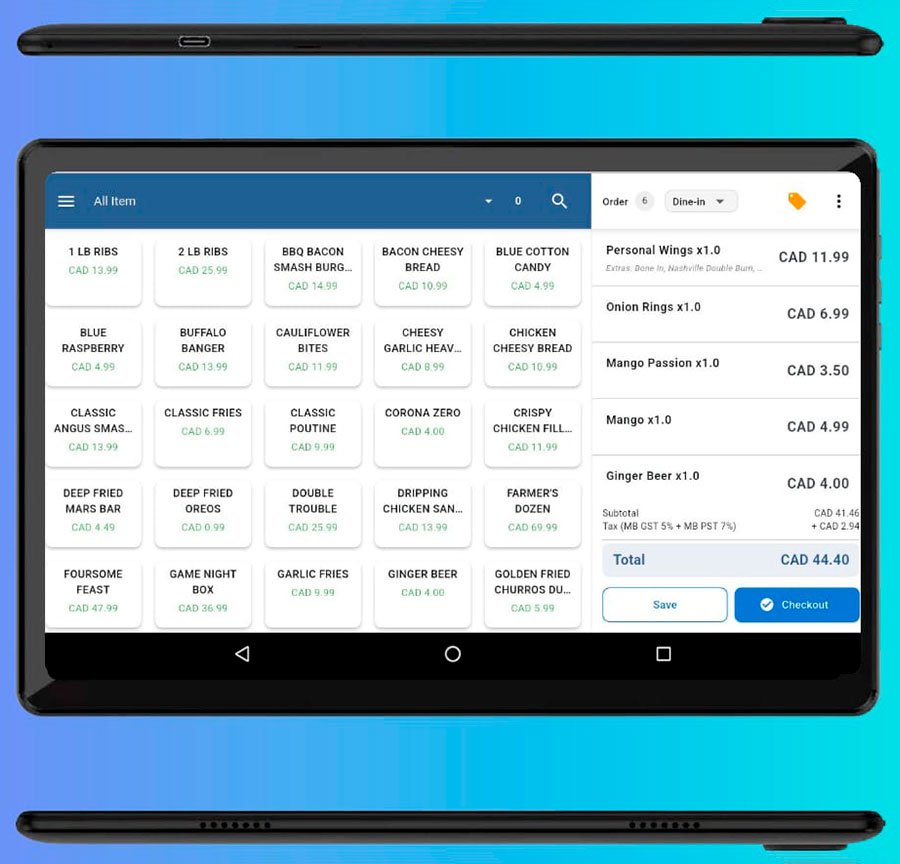
Selecting the right Online POS software is one of the most important technology decisions a retailer can make. In today’s data-driven commerce environment, a modern point-of-sale system is no longer just a billing tool—it is the operational backbone of your entire store. From inventory management and sales tracking to customer engagement and multi-location expansion, the right solution can dramatically improve efficiency and profitability. Among the leading providers in this space, Inventriks POS stands out for its cloud-native infrastructure, scalability, and deep industry expertise tailored specifically to growing businesses.
This guide explores how to choose the right online POS for your store, outlining critical evaluation criteria and demonstrating why Inventriks POS represents a future-ready investment.
Understanding What Online POS Software Really Means
Online POS software operates through cloud-based architecture, allowing business data to be securely stored and accessed via the internet rather than a local server. This approach provides:
- Real-time data synchronization
- Remote access from multiple devices
- Automatic software updates
- Centralized multi-store management
- Reduced hardware dependency
Unlike traditional POS systems that limit visibility and require heavy maintenance, online POS platforms empower store owners with flexibility and data transparency.
Step 1: Assess Your Store’s Operational Needs
Before comparing vendors, define your operational priorities. Different retail stores have unique requirements:
- Small retail shops need simple checkout and inventory tracking.
- Multi-location chains require centralized control and consolidated reporting.
- Specialty stores may need product variants, batch tracking, or serial number management.
- Omnichannel retailers need integration with e-commerce platforms.
Inventriks POS is built with modular flexibility, making it adaptable to diverse business models. Its customizable interface ensures that features align with real-world retail workflows rather than forcing stores into rigid system structures.
Step 2: Evaluate Inventory Management Capabilities
Inventory management is one of the most critical components of any POS system. Poor inventory visibility leads to stockouts, overstocking, and lost revenue.
When evaluating online POS software, ensure it offers:
- Real-time stock updates
- Automated low-stock alerts
- Supplier and purchase order management
- Barcode support
- Multi-location inventory tracking
Inventriks POS integrates inventory management directly into the sales process. Every transaction automatically adjusts stock levels across branches, ensuring accurate data at all times. This automation reduces manual errors and enhances operational control.
Step 3: Analyze Reporting & Business Intelligence Features
Data is the foundation of smart decision-making. A powerful online POS system should provide more than basic sales summaries.
Look for:
- Item-wise profitability reports
- Time-based sales analysis
- Category performance insights
- Employee performance metrics
- Customer purchasing behavior trends
Inventriks POS delivers advanced analytics dashboards designed to help store owners make data-backed decisions. These insights enable retailers to optimize pricing strategies, identify best-selling products, and improve overall profit margins.
Step 4: Consider Scalability and Growth Potential
A POS system should grow alongside your business. Many retailers outgrow their initial systems, leading to costly migrations.
Ask these questions:
- Can the system support additional outlets?
- Does it allow centralized management of multiple locations?
- Can it integrate with future e-commerce expansion?
- Is it built on scalable cloud infrastructure?
Inventriks POS is designed for scalability. Whether you operate a single store today or plan to expand into a regional chain, the platform offers centralized dashboards and flexible expansion options without requiring disruptive transitions.
Step 5: Prioritize Ease of Use
Retail environments are fast-paced. A complicated interface slows down staff training and increases billing errors.
The right online POS software should offer:
- Intuitive navigation
- Minimal training requirements
- Fast checkout processes
- Touchscreen compatibility
Inventriks POS emphasizes user-friendly design, ensuring that employees can quickly learn and operate the system efficiently. Faster checkout translates directly into improved customer experience and higher throughput.
Step 6: Verify Security and Data Protection
Data security is non-negotiable. Retail businesses handle sensitive information, including payment data and customer records.
Your chosen online POS should provide:
- Encrypted transactions
- Secure cloud hosting
- Role-based access controls
- Automatic backups
- Compliance with financial regulations
Inventriks POS integrates secure cloud-based infrastructure and permission-based access management, protecting both operational data and customer information.
Security is a long-term investment in business credibility.
Step 7: Integration Capabilities
Modern retail ecosystems require interconnected systems. Ensure your POS integrates seamlessly with:
- Accounting software
- Payment gateways
- CRM tools
- E-commerce platforms
- Loyalty programs
Inventriks POS supports integrations that unify financial, operational, and customer data into a single ecosystem. This eliminates manual data entry and enhances workflow efficiency.
Step 8: Offline Functionality
Internet disruptions can occur. Your POS system should not halt operations during connectivity issues.
Reliable online POS software must offer:
- Offline transaction capability
- Automatic synchronization once reconnected
- No data loss during outages
Inventriks POS supports uninterrupted operations, ensuring business continuity even in unstable network environments.
Step 9: Vendor Support and Industry Expertise
Technology is only as strong as the support behind it. Evaluate:
- Onboarding assistance
- Technical support availability
- Training resources
- Ongoing system updates
Inventriks POS combines technological capability with strong customer support and industry-specific expertise. Their experience working with retail businesses ensures that solutions are practical, not theoretical.
Common Mistakes to Avoid When Choosing Online POS Software
- Choosing based solely on priceLow-cost systems may lack scalability and advanced features.
- Ignoring future expansion plansSelect a solution that supports growth.
- Overlooking analytics capabilitiesReporting tools are essential for strategic decisions.
- Underestimating security importanceData protection is critical to long-term sustainability.
- Failing to test usabilityA complex interface slows down daily operations.
Inventriks POS addresses these pitfalls by offering a balanced combination of affordability, functionality, and scalability.
Why Inventriks POS Is a Strategic Choice
Inventriks POS differentiates itself through:
- Cloud-native architecture
- Real-time business intelligence
- Customizable workflows
- Centralized multi-store management
- Secure data infrastructure
- Seamless integration ecosystem
Rather than acting as just a billing tool, Inventriks POS functions as a comprehensive retail management system.
Its emphasis on operational efficiency, data analytics, and scalability makes it particularly valuable for modern retailers navigating competitive markets.
Final Thoughts
Choosing the right online POS software requires careful evaluation of operational needs, growth plans, and technological capabilities. A robust POS system should not only process transactions but also provide strategic insights that drive profitability.
Inventriks POS exemplifies what modern retailers need: reliability, intelligence, flexibility, and scalability. By investing in a comprehensive online POS solution, store owners can streamline operations, enhance customer experience, and position their businesses for long-term success in an increasingly digital retail landscape.
In a world where data defines competitive advantage, selecting the right online POS software is not just a technical decision—it is a strategic business move.
