

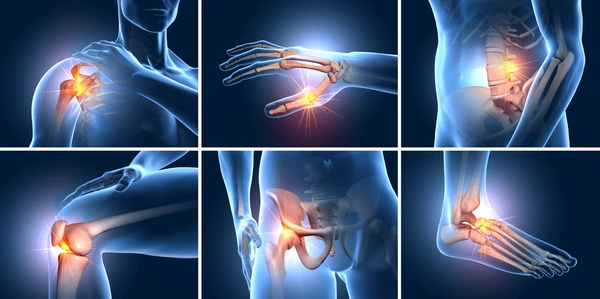
Living with nerve damage can feel overwhelming. The pain is often unpredictable — sometimes a burning sensation, other times sharp, electric shocks or constant tingling. For many people, traditional painkillers simply don’t work. That’s where Gabatop 800mg plays an important role. Gabatop 800mg is mainly targeted in the US and is widely prescribed by doctors as an effective therapy for managing neuropathic pain and supporting nerve damage treatment. Instead of only masking discomfort, it works directly on the nervous system to calm irritated nerves and reduce abnormal pain signals.
If you or a loved one has been diagnosed with nerve damage due to diabetes, shingles, spinal injury, or other conditions, understanding how this medication works can help you make informed decisions about treatment. This complete guide explains everything clearly — from what Gabatop 800mg is and how it works to its uses, benefits, dosage, safety, and frequently asked questions.
Let’s take a closer look.
What Is Gabatop 800mg?
Gabatop 800mg is a prescription medication containing Gabapentin, a drug originally developed to control seizures but later found to be highly effective for nerve pain relief.
It belongs to a class of medications known as anticonvulsants or neuropathic pain agents. Over time, medical research showed that gabapentin not only stabilizes abnormal brain activity but also reduces hypersensitive nerve signals responsible for chronic pain.
The 800mg strength is typically prescribed for:
• Moderate to severe neuropathic pain
• Long-term nerve damage management
• Maintenance therapy
• Seizure control support
• Patients requiring higher doses for consistent relief
Because it targets the source of nerve irritation, Gabatop offers a more focused approach than general pain medications.
Understanding Nerve Damage and Neuropathic Pain
Before learning how Gabatop helps, it’s important to understand what nerve damage actually means.
What Is Nerve Damage?
Nerves carry signals between the brain and body. When these nerves become injured or diseased, they may send incorrect signals — including pain even when no injury exists.
This condition is known as neuropathy or neuropathic pain.
Common Causes of Nerve Damage
• Diabetes
• Shingles
• Physical injuries
• Spinal cord issues
• Surgical complications
• Infections
• Certain medications
Symptoms You Might Feel
• Burning pain
• Tingling or pins and needles
• Electric shock sensations
• Numbness
• Muscle weakness
• Sensitivity to touch
Standard painkillers usually don’t help much because the problem isn’t inflammation — it’s faulty nerve communication.
This is exactly why Gabatop is prescribed.
How Gabatop 800mg Works in the Body
Gabatop works differently from typical pain medications like ibuprofen or acetaminophen.
Instead of blocking inflammation, it stabilizes nerve activity.
Mechanism of Action
Gabatop:
• Binds to calcium channels in nerve cells
• Reduces release of excitatory neurotransmitters
• Slows abnormal nerve firing
• Prevents excessive pain signals
• Calms overactive nerves
In simple terms, it quiets the “overactive wires” in your nervous system.
Imagine turning down the volume on a loud speaker — the noise doesn’t disappear instantly, but it becomes manageable.
This is why patients often experience gradual yet steady improvement.
How Gabatop 800mg Supports Nerve Damage Treatment
Now let’s focus specifically on how it helps with nerve damage.
1. Reduces Chronic Pain Signals
Damaged nerves constantly send pain messages. Gabatop lowers these signals.
2. Stabilizes the Nervous System
Helps normalize irregular electrical activity.
3. Improves Daily Comfort
Makes movement, sleep, and daily tasks easier.
4. Prevents Pain Flare-Ups
Reduces sudden spikes of nerve pain.
5. Enhances Sleep Quality
Less pain means better rest and recovery.
6. Supports Long-Term Healing
Calmer nerves allow the body to recover more effectively.
Together, these benefits make it a cornerstone therapy for neuropathic pain management.
Medical Uses of Gabatop 800mg
Gabatop has several approved and off-label uses.
Neuropathic Pain Relief
This is the primary indication.
Used for:
• Diabetic neuropathy
• Sciatica
• Spinal injuries
• Post-surgical nerve pain
• Chronic back nerve pain
• Fibromyalgia-related nerve discomfort
Postherpetic Neuralgia (Shingles Pain)
Shingles, caused by Herpes zoster, can leave lingering nerve pain even after the rash heals.
Gabatop soothes these irritated nerves and reduces persistent discomfort.
Seizure Disorders
Because gabapentin is an anticonvulsant, it also helps:
• Reduce seizure frequency
• Stabilize electrical brain activity
• Prevent sudden episodes
Often used as add-on therapy.
Restless Leg Syndrome (Off-label)
Helps reduce leg discomfort and nighttime twitching.
Benefits of Gabatop 800mg
Here’s why many doctors prefer prescribing Gabatop:
Targeted Action
Works directly on nerves.
Long-Lasting Relief
Provides steady control throughout the day.
Non-Opioid Option
Lower risk of dependency.
Better Sleep
Reduces nighttime pain.
Flexible Dosing
Easily adjustable.
Well Tolerated
Most people handle it well.
Suitable for Long-Term Use
Safe under medical supervision.
Who Should Consider Gabatop 800mg?
It may be recommended for:
• Adults with chronic nerve damage
• Diabetic patients
• Shingles recovery patients
• Spinal injury sufferers
• Seizure disorder patients
• Individuals avoiding opioids
Always consult your healthcare provider.
Dosage Guidelines
Dosage varies by patient.
Typical Dosing
• Start low
• Gradually increase
• Maintenance: 800mg taken 2–3 times daily
How to Take
• Swallow whole
• With water
• With or without food
• Same time each day
Never adjust without medical advice.
How Long Does Gabatop Take to Work?
Relief isn’t immediate.
Most people notice:
• Few days → mild improvement
• 1–2 weeks → noticeable reduction
• 3–4 weeks → full effect
Consistency is key.
Possible Side Effects
Common
• Drowsiness
• Dizziness
• Fatigue
• Dry mouth
• Weight gain
• Mild swelling
Less Common
• Mood changes
• Blurred vision
• Balance issues
Rare but Serious
• Allergic reactions
• Breathing difficulty
• Severe depression
Contact your doctor if symptoms worsen.
Precautions and Safety Tips
Inform your doctor if you have:
• Kidney disease
• Mental health conditions
• Respiratory problems
• History of substance misuse
Avoid alcohol and sudden stopping.
Drug Interactions
May interact with:
• Antacids
• Opioids
• Sleeping pills
• Antidepressants
Always share your medication list.
Why Gabatop 800mg Is Mainly Targeted in the US
Gabatop has become especially common in the US because:
• High diabetes rates
• Growing chronic pain cases
• Demand for opioid alternatives
• Strong clinical evidence
• Doctor preference for safer therapies
It’s considered a first-line option for neuropathic pain.
Lifestyle Tips to Support Treatment
Combine medication with:
• Regular walking
• Stretching
• Balanced diet
• Good sleep habits
• Stress reduction
• Physical therapy
These improve results.
Storage Instructions
• Room temperature
• Dry place
• Away from sunlight
• Out of reach of children
Final Thoughts
Nerve damage can deeply affect your quality of life, but effective treatment options exist. Gabatop 800mg offers a targeted and reliable approach by calming irritated nerves and reducing abnormal pain signals at the source. Its non-opioid nature, long-lasting effects, and proven safety profile make it a trusted choice for many patients.
When taken consistently under proper supervision, Gabatop can help you regain comfort, improve sleep, and return to daily activities with less discomfort. If persistent nerve pain is affecting your life, Gabatop 800mg might be right for you.
Frequently Asked Questions (FAQs)
1. What is Gabatop 800mg used for?
It treats nerve damage pain and seizure disorders.
2. Is it a regular painkiller?
No, it specifically targets nerve pain.
3. How quickly does it work?
Usually within 1–2 weeks.
4. Can I take it daily?
Yes, as prescribed.
5. Is it addictive?
No, dependency risk is low.
6. Can diabetics use it?
Yes, it’s commonly prescribed for diabetic neuropathy.
7. Does it cause sleepiness?
Yes, mild drowsiness may occur.
8. Can I drink alcohol?
Avoid alcohol while taking it.
9. Is it safe long-term?
Yes, under medical supervision.
10. Should I stop suddenly?
No, taper gradually as directed by your doctor.
