

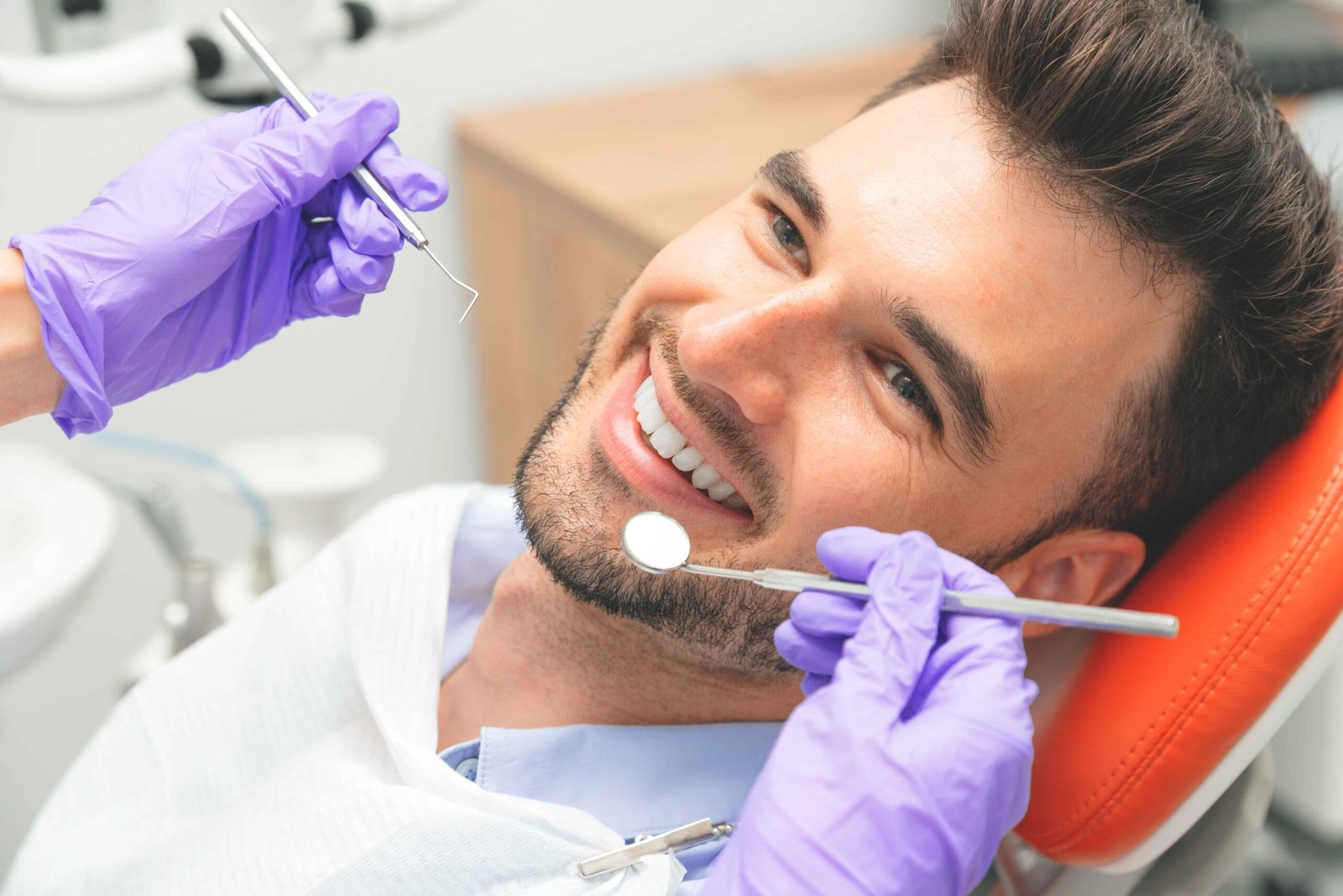
Your first orthodontic appointment can feel like a big step, especially if you’re unsure what to expect. Many people imagine lengthy procedures, discomfort or complex assessments. In reality, this initial visit is relaxed, informative and designed to give you complete clarity about your oral health and the best treatment options available. Orthodontists aim to make the experience as comfortable as possible, ensuring you leave feeling confident, reassured and fully informed about your next steps.This guide walks you through every stage of a typical first orthodontic consultation so you know exactly what lies ahead.
Why an Orthodontic Consultation Matters
Whether you’re concerned about crooked teeth, bite issues or long-term dental health, an orthodontic consultation provides essential insight into your oral foundation. Orthodontists don’t simply straighten teeth, they assess jaw alignment, bite function and growth patterns to design personalised treatment plans that improve oral health and aesthetics simultaneously.Many adults who explore other self-improvement treatments, from skincare routines to visiting an orthodontist Bodmin, often eventually consider orthodontic care because of its long-lasting impact. Better alignment doesn’t just transform a smile, it enhances comfort, function and long-term wellbeing.
Initial Welcome and Paperwork
Your visit usually begins with a friendly welcome at reception. You’ll be asked to complete or confirm:
- General medical history
- Dental history
- Current concerns or symptoms
- Any existing dental treatments
This information helps the orthodontist understand your background and identify any factors that may influence your treatment plan. It also ensures your safety, particularly if you have allergies, medications or past dental procedures.
Meeting the Orthodontist
Next, you’ll meet the orthodontist who will guide you through the entire appointment. This is your chance to openly discuss:
- What bothers you about your teeth or bite
- Any concerns, such as discomfort or grinding
- Your goals whether cosmetic, functional or both
Many people who undergo high-precision aesthetic treatments, such as visiting an emergency dentist in Bodmin, appreciate the personalised, detail-orientated nature of this consultation. Orthodontists take time to understand your lifestyle, preferences and expectations before proposing any solutions.
The Clinical Examination
Once your discussion is complete, the orthodontist will carry out a gentle clinical examination. This involves:
- Checking tooth alignment and spacing
- Evaluating your bite (overbite, underbite, crossbite)
- Assessing jaw movement and joint comfort
- Identifying habits like grinding or clenching
- Confirming gum and oral health condition
This hands-on assessment is thorough but completely pain-free. It helps the orthodontist understand how your teeth, muscles and jaw work together.
Diagnostic Records and Imaging
To ensure accuracy, your orthodontist will collect diagnostic records. These may include:
1. Digital Photographs
Images of your teeth, smile and facial profile help create a visual record of your starting point.
2. X-rays
A panoramic or cephalometric X-ray reveals bone structure, tooth roots and jaw positioning.
3. Digital Scans or Impressions
Modern clinics use intraoral scanners to generate 3D images of your teeth far more comfortable than traditional dental moulds.These records allow for precise planning. They also help you visualise potential outcomes, making treatment guidance easier to understand.
Discussion of Treatment Options
Once the orthodontist has reviewed your examination and diagnostic records, they will explain whether treatment is recommended. If so, they’ll outline the available options, which may include:
| Orthodontic Option | Visibility | Comfort | Best For |
| Metal Braces | High | Moderate | Complex cases |
| Ceramic Braces | Low | Moderate | Aesthetic preference |
| Clear Aligners | Very Low | High | Mild–moderate issues |
| Lingual Braces | Hidden | Moderate | Those needing complete discretion |
Each option is explained in terms of suitability, comfort levels, expected duration and maintenance requirements. Many adults who choose cosmetic enhancement procedures, such as visiting an orthodontist Bodmin, often lean towards discreet treatments like ceramic braces or clear aligners.

Creating a Personalised Treatment Plan
Your orthodontist will then outline the recommended treatment plan, tailored specifically to your needs. This includes:
- Length of treatment
- Type of appliance
- Expected progression
- Anticipated results
- Any preparatory steps (extractions, fillings, hygiene improvements)
Orthodontists aim to ensure your plan supports both oral function and aesthetics. Every detail is discussed so nothing feels rushed or unclear.
Cost Breakdown and Payment Options
Understanding the financial aspect is just as important as understanding the clinical process. During your consultation, you’ll receive a clear, transparent cost breakdown covering:
- Diagnostic records
- Fittings and appliances
- Adjustment appointments
- Emergency visits
- Retainers
- Aftercare support
Many practices also offer flexible finance solutions such as interest-free plans or monthly instalments.
Addressing Your Questions and Concerns
Patients often arrive with plenty of questions, and the first consultation is the best time to ask. Common concerns include:
- Will it hurt?
- How often will I need appointments?
- Can I still play sports or instruments?
- What foods will I need to avoid?
- How long will treatment take?
Orthodontists understand these worries and are happy to provide clarity. People accustomed to cosmetic or comfort-based routines, such as visiting an emergency dentist in Bodmin, often find orthodontic care surprisingly manageable once expectations are clearly outlined.
Booking Your Treatment and Next Steps
If you decide to proceed, the reception team will arrange your next appointment. This may be:
- A brace fitting
- A clear aligner scan
- A preparatory hygiene appointment
You may receive pre-appointment instructions, such as scheduling a dental cleaning or preparing for minor adjustments like tooth reshaping.

Tips for Making the Most of Your First Visit
To ensure you leave with full clarity and confidence, keep these helpful tips in mind:
- Bring a list of questions.
- Provide honest details about your oral habits.
- Share your cosmetic or lifestyle preferences.
- Discuss your budget openly.
- Bring any previous dental X-rays if available.
Being prepared helps your orthodontist design a plan that suits your goals and lifestyle.
Conclusion
Your first orthodontic appointment is an informative, reassuring experience designed to give you a clear understanding of your oral health and the solutions available to you. From diagnostic records to personalised treatment planning, every step is crafted to ensure you feel confident and supported on your journey towards a healthier, more beautiful smile. Thank you for choosing Bodmin as your trusted guide to expert orthodontic care.
