

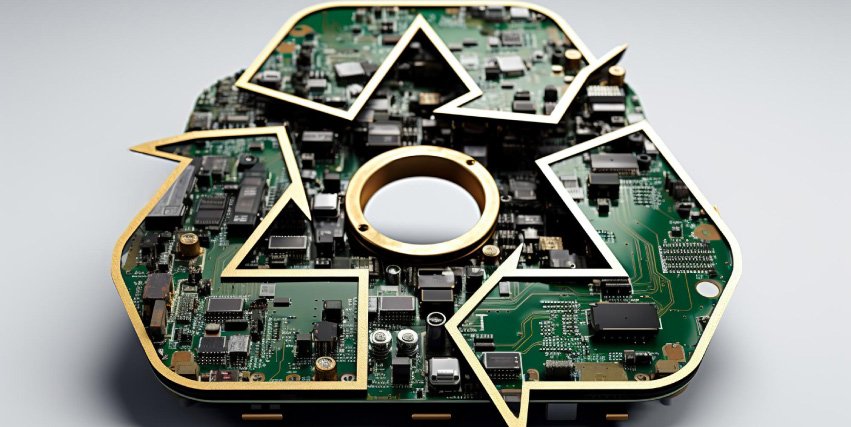
In today’s digital world, businesses generate a huge amount of electronic waste every year. Among all types of e-waste, storage devices such as hard drives, SSDs, and other data storage equipment require special attention. These devices contain sensitive information that must be handled carefully before disposal. For IT companies operating in Mumbai, secure storage device recycling has become an essential part of responsible e-waste management.
Proper recycling not only protects confidential data but also helps organizations comply with environmental regulations and sustainability goals. Many IT firms now follow strict processes to ensure that old storage devices are recycled safely without risking data breaches.
Why Secure Storage Device Recycling Is Important
Storage devices store critical business information, including financial records, client databases, project files, and confidential communication. If these devices are simply discarded or sold without proper data destruction, sensitive information may fall into the wrong hands.
Secure storage device recycling ensures that all data is completely destroyed before the device is recycled or disposed of. This protects companies from potential data leaks, legal consequences, and reputational damage.
Another major reason is environmental responsibility. Storage devices contain metals, plastics, and electronic components that can harm the environment if not handled properly. By choosing professional recycling services, companies help reduce e-waste pollution and support sustainable resource recovery.
Types of Storage Devices Recycled by IT Companies
IT companies in Mumbai regularly replace and upgrade their storage hardware to keep systems efficient and secure. As a result, many types of storage devices are sent for recycling, including:
- Hard Disk Drives (HDDs)
- Solid State Drives (SSDs)
- External hard drives
- Storage arrays and servers
- USB drives and flash storage devices
- Backup tapes and archival storage systems
These devices must go through specialized recycling and data destruction processes to ensure security and environmental safety.
Steps IT Companies Follow for Secure Storage Device Recycling
1. Inventory and Asset Tracking
The first step in secure recycling is identifying all storage devices that are no longer in use. IT departments maintain an inventory of outdated or damaged devices and record their serial numbers, storage capacity, and location.
Proper tracking ensures that no device goes missing during the recycling process and provides a clear record for compliance and auditing purposes.
2. Data Backup and Verification
Before sending devices for recycling, IT teams ensure that important data has been safely backed up. This prevents accidental loss of valuable business information.
Once backups are confirmed, the devices are prepared for data destruction.
3. Secure Data Destruction
One of the most critical steps is permanently destroying all stored data. Professional recycling companies use several secure methods, such as:
- Data wiping: Overwriting existing data multiple times using certified software
- Degaussing: Using strong magnetic fields to erase data from magnetic storage devices
- Physical shredding: Destroying the device into small pieces to make data recovery impossible
These methods ensure that sensitive data cannot be recovered or misused.
4. Responsible Recycling Process
After data destruction, the storage devices are dismantled and sorted into different components. Valuable materials such as aluminum, copper, and other metals are recovered for reuse in manufacturing.
Recycling these materials helps conserve natural resources and reduces the need for mining new raw materials.
5. Certification and Documentation
Professional e-waste recycling companies provide a certificate of data destruction and recycling to confirm that the devices were securely handled. This documentation is important for companies that need to meet regulatory requirements and internal compliance policies.
Role of Professional Recycling Companies
Managing secure storage device recycling internally can be complex and time-consuming for businesses. That is why many organizations partner with certified e-waste recycling companies that specialize in IT asset disposal.
These companies offer end-to-end solutions, including collection, transportation, secure data destruction, recycling, and documentation. By working with experts, businesses can ensure that all devices are processed according to environmental and data protection standards.
One trusted service provider helping organizations with responsible e-waste management is Bhangarwala Waste Management Private Limited (BWM). The company provides professional recycling services for various IT assets while ensuring that data security and environmental safety remain top priorities.
Environmental Benefits of Storage Device Recycling
Secure storage device recycling offers several environmental advantages, such as:
- Reducing electronic waste in landfills
- Preventing toxic substances from polluting soil and water
- Recovering valuable metals for reuse
- Supporting sustainable resource management
- Promoting a circular economy in the electronics industry
As businesses in Mumbai continue to grow, responsible recycling practices will play a crucial role in protecting the environment for future generations.
Conclusion
Secure storage device recycling is an essential practice for IT companies that want to protect sensitive information and support sustainable waste management. By following proper procedures such as asset tracking, data destruction, and certified recycling, organizations can safely dispose of outdated storage devices without risking data security.
In a fast-growing technology hub like Mumbai, adopting responsible recycling practices is more important than ever. With the support of professional e-waste recycling partners, businesses can ensure that their storage devices are handled safely, securely, and in an environmentally friendly way.
