

Florida’s relationship with water is paradoxical. The state’s coastal beauty, tropical climate, and seasonal rains create an enviable lifestyle, but they also expose homes to one of the most destructive forces in property ownership: water intrusion.
From the humidity of Florida summers to torrential downpours during hurricane season, moisture is not a rare event—it is a constant environmental variable. In this climate, preventing water damage is not a reactive measure; it is a strategic, ongoing process grounded in vigilance and routine inspections.
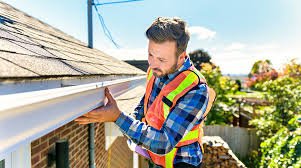
For homeowners, particularly seasonal residents, the difference between minor maintenance and catastrophic loss often comes down to one simple practice: routine house checks.
Why Water Damage Is a Persistent Threat in Florida?
Water damage in Florida is not limited to dramatic storm events. While hurricanes receive the headlines, most property damage arises from smaller, more frequent issues:
- Slow plumbing leaks
- Roof vulnerabilities
- Failed HVAC condensation lines
- Cracked window seals
- Foundation seepage
- Appliance malfunctions
- Clogged gutters
The state’s high humidity accelerates mold growth within 24–48 hours of moisture exposure. Left undetected, even a minor leak can evolve into structural decay, compromised drywall, damaged electrical systems, and hazardous microbial growth.
The financial implications are house check services in Florida . Beyond repair costs, homeowners may face insurance claim disputes, premium increases, or coverage exclusions if neglect is suspected. Insurance carriers increasingly expect homeowners to demonstrate due diligence in property maintenance.
Routine house checks are the most practical way to meet that expectation.
The Science Behind Routine House Checks
A routine house check is a systematic visual and functional inspection of a property conducted on a recurring schedule – weekly, biweekly, or monthly depending on occupancy.
The objective is not cosmetic review; it is early detection of anomalies that indicate moisture intrusion or system failure.
Professionally structured inspections typically evaluate:
1. Interior Moisture Indicators
- Ceiling discoloration
- Soft drywall
- Warped baseboards
- Musty odors
- Flooring buckling
2. Plumbing Systems
- Visible pipe joints
- Under-sink cabinets
- Water heater integrity
- Supply line connections
- Toilet seals
3. HVAC Components
Florida homes rely heavily on air conditioning systems. Condensation line blockages are a leading cause of interior water damage. Inspections ensure:
- Drain lines are clear
- Drain pans are dry
- Filters are clean
- No secondary overflow is occurring
4. Exterior Envelope
- Roof shingles and flashing
- Soffits and fascia
- Window and door seals
- Stucco cracks
- Drainage grading
5. Appliances
Dishwashers, washing machines, and refrigerators with water lines are frequent leak sources.
Each of these systems represents a potential failure point. Routine checks function as a preventive control mechanism.
The Unique Risk for Seasonal and Absentee Homeowners
Florida has one of the highest concentrations of seasonal residents in the United States. Owners who split time between northern states and Florida properties face amplified risk.
An unattended home creates ideal conditions for undetected damage:
- A burst supply line may run for days.
- An AC failure may lead to interior humidity exceeding 80%.
- A small roof leak can deteriorate insulation and framing.
When no one is present to intervene, the damage compounds.
This is where house check services in Florida provide measurable value.
Professional inspection services act as a structured oversight system for absentee homeowners. Scheduled property visits ensure that early warning signs are identified and addressed before escalation.
The Role of Professional Oversight
While neighbors or friends may occasionally check in, informal arrangements lack consistency, documentation, and technical scrutiny.
Professional home watch companies operate with defined protocols and reporting systems. Their services commonly include:
- Scheduled walkthroughs
- Digital photo documentation
- Storm preparation checks
- Post-storm inspections
- Emergency coordination with contractors
- Leak detection review
- Utility monitoring
Many companies adhere to standards established by the National Home Watch Association, which promotes accountability and professional practices within the industry.
The benefit is not merely observation, it is documentation. In the event of an insurance claim, inspection reports provide evidence that the homeowner exercised reasonable care in maintaining the property.
Early Detection: The Financial Multiplier
Water damage operates on an exponential cost curve.
- A $10 gasket failure can become a $15,000 remediation.
- A clogged AC drain line can require drywall replacement.
- Minor roof flashing separation can compromise insulation and framing.
Routine inspections flatten that curve.
By identifying micro-failures—small cracks, slow drips, minor seal degradation, homeowners intervene before secondary damage spreads. Mold remediation, structural repair, and flooring replacement are significantly more expensive than preventive maintenance.
Insurance deductibles for water damage are also rising. Preventive oversight directly reduces exposure to large out-of-pocket expenses.
High-Risk Periods in Florida
Routine checks are critical year-round, but certain periods warrant heightened vigilance:
Hurricane Season (June–November)
Storm-driven rain can penetrate even well-maintained homes. Post-storm inspections are essential to detect:
- Roof displacement
- Window seal compromise
- Standing water near foundations
Summer Heat Peaks
Extreme temperatures strain HVAC systems. Condensation and system overflows are more common during prolonged cooling cycles.
Extended Absences
Homes left vacant for more than two weeks face increased vulnerability. Many insurance policies specify vacancy clauses that may limit coverage unless routine monitoring is documented.
What Homeowners Can Do Independently?
While professional services are valuable, homeowners should implement baseline preventive measures:
- Install water leak detection devices.
- Use automatic water shut-off systems.
- Maintain roof inspections annually.
- Clean gutters and downspouts quarterly.
- Flush AC drain lines regularly.
- Seal windows and doors as needed.
- Inspect caulking in wet areas.
Technology has made monitoring more accessible. Smart sensors can alert homeowners remotely to moisture presence, temperature shifts, or humidity spikes.
However, technology supplements, it does not replace, physical inspection.
Choosing the Right Inspection Partner
When evaluating house check services in Florida, homeowners should consider:
- Licensing and insurance coverage
- Inspection frequency options
- Reporting detail and format
- Emergency response procedures
- Local contractor relationships
- Industry association membership
Transparency and documentation standards are critical. Reputable home watch companies provide timestamped reports, photographic evidence, and detailed summaries of findings.
Cost should be evaluated against risk exposure. In high-value properties, routine inspections are a fraction of potential restoration costs.
The Hidden Cost of Delayed Action
Water damage is rarely isolated. It migrates into framing cavities, beneath tile, behind cabinets. By the time visible symptoms appear, secondary systems may already be compromised.
Moisture also affects indoor air quality. Mold growth presents health concerns and may require specialized remediation.
Delays transform manageable repairs into multi-system restoration projects involving:
- Water extraction
- Dehumidification
- Mold containment
- Structural drying
- Material replacement
Routine checks interrupt this progression at its earliest stage.
Water Damage Prevention as Asset Protection
Florida real estate represents significant financial investment. Protecting that asset requires proactive risk management.
Routine house checks should be viewed as part of a broader property stewardship strategy, alongside landscaping maintenance, pest control, and structural inspections.
For seasonal residents, professional oversight is not a luxury, it is a protective infrastructure.
Water damage does not announce itself loudly at first. It begins quietly: a drip beneath a sink, a hairline crack in flashing, a clogged condensation line. In Florida’s moisture-heavy climate, silence is not safety; vigilance is.
By leveraging house check services in Florida and partnering with established home watch companies, homeowners transform uncertainty into control. Routine inspections provide early detection, documentation, and rapid intervention – three pillars of effective water damage prevention.
In a state defined by water, proactive oversight is not optional. It is essential.
