

Growth is usually seen as a positive sign for any gym. More members. More classes. More floor activity throughout the day. Yet expansion introduces a practical problem that many operators underestimate at first. Flooring systems that once worked well in a stable layout begin to struggle when spaces need to change quickly.
Busy gyms rarely operate with fixed room configurations anymore. Morning sessions may focus on conditioning, afternoon blocks shift to skills work, and evenings bring group classes that require open floor space. Static flooring solutions often slow these transitions. What operators want instead is controlled flexibility without sacrificing safety.
Why Fixed Surfaces Start Creating Friction
Traditional installed flooring performs well when the room function stays predictable. The problem appears when usage patterns evolve. Permanent surfaces limit how quickly teams can reconfigure training zones. Even small layout adjustments can require workarounds that interrupt programme flow.
Coaches begin to notice the operational drag first. Reset times stretch longer between sessions. Staff spend extra minutes clearing or protecting areas that were not designed for multi-use activity. Over time, this friction compounds into lost training efficiency.
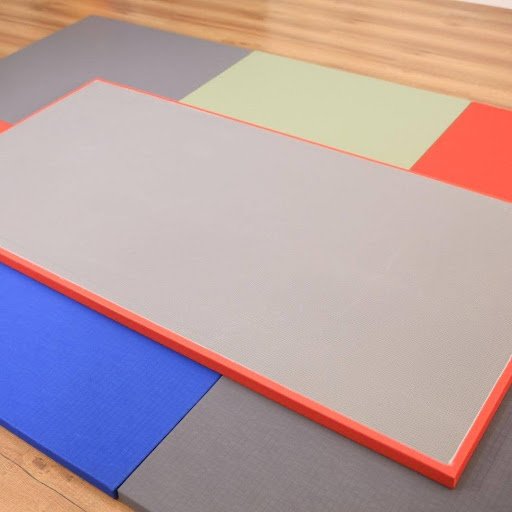
Forward-looking gyms respond by exploring modular solutions that support frequent change. Among these, jigsaw mats have gained steady attention, particularly in facilities managing varied class formats within the same footprint.
The Appeal of Controlled Modularity
What attracts serious operators is not just portability. It is predictability during change. Well-made jigsaw mats allow sections to be added, removed, or repositioned without disrupting the integrity of the overall surface. When installed correctly, the interlocking system holds firm under movement while still allowing relatively fast reconfiguration.
This balance matters in high-traffic environments. Coaches can expand a striking area in minutes or create temporary conditioning lanes without committing to permanent structural changes. The floor adapts to the programme rather than forcing the programme to adapt to the floor.
Another advantage appears in phased growth. Not every gym expands in large, planned jumps. Many grow incrementally as membership rises. Modular flooring allows facilities to scale coverage gradually instead of replacing entire surfaces prematurely.
Performance Still Matters More Than Convenience
However, experienced buyers do not choose flexibility at the expense of protection. Surface density, compression behaviour, and grip characteristics still receive close scrutiny. Poorly constructed modular flooring can shift under pressure or wear unevenly in high-impact zones.
Serious facilities therefore test jigsaw mats under realistic training loads before committing. They look for tight interlock tolerances, consistent surface firmness, and materials that recover quickly after compression. When these factors align, the modular format becomes a performance asset rather than a compromise.
Maintenance simplicity also influences the decision. Multi-use gyms face constant cleaning demands. Surfaces that trap moisture or degrade under frequent sanitation create long-term headaches. Quality modular systems typically offer easier section replacement and faster spot maintenance, which reduces downtime.
Where Growing Gyms See the Real Advantage
The strongest case for modular flooring often emerges months after installation. Facilities begin to notice smoother transitions between class formats. Staff spend less time managing floor logistics. Programme scheduling becomes more flexible because space can be adapted quickly.
From a business perspective, this operational agility supports higher floor utilisation. More sessions can run efficiently within the same square footage. For expanding gyms, that efficiency directly supports revenue growth without immediate structural expansion.
The Direction the Industry Is Moving
As training spaces continue to diversify, demand for adaptable infrastructure is unlikely to slow. Fixed layouts still have their place, particularly in single-discipline environments. But multi-use facilities increasingly favour systems that can evolve alongside programming demands.
The flexible flooring solution growing gyms prefer is not simply about convenience. It reflects a broader shift toward environments that support change without sacrificing performance. When selected carefully and installed with discipline, jigsaw mats give operators the rare combination of stability and adaptability that modern training spaces quietly require.
