

Modern agriculture is changing rapidly with the help of advanced technology. Farmers are constantly looking for new ways to improve crop production, save time, and reduce costs. One of the most significant innovations in recent years is the use of drones for spraying crops. Drone crop spraying services have become a valuable solution for modern farms, offering precision, efficiency, and sustainability.
These services allow farmers to apply fertilizers, pesticides, and herbicides accurately while covering large areas quickly. Compared to traditional spraying methods, drones provide better control, reduce chemical waste, and support healthy crop growth. This article explores the top benefits of using drone crop spraying services and how they are transforming modern agriculture.
What Are Drone Crop Spraying Services?
Drone crop spraying services involve using drones equipped with spraying systems to deliver liquid fertilizers, pesticides, or herbicides directly to crops. These drones are often equipped with GPS, cameras, and sensors to ensure precise application.
Farmers or service providers operate the drones and program them to cover specific areas of the farm. This allows the chemicals to be applied only where needed, reducing waste and ensuring that crops receive the correct treatment.
By using drone crop spraying services, farmers can save time, labor, and resources while improving the overall health and productivity of their crops.
Benefit 1: Precision Application
One of the main advantages of drone crop spraying services is precision. Traditional spraying methods often cover the entire field equally, even if only certain areas need treatment. This can lead to wasted chemicals and uneven crop growth.
Drones can analyze the field using aerial data and sensors, identifying the areas that require spraying. By targeting only the necessary areas, farmers can apply fertilizers or pesticides more efficiently.
Precision application ensures that crops receive the right amount of treatment exactly where it is needed. This leads to healthier plants, higher yields, and reduced chemical waste.
Benefit 2: Time and Labor Savings
Spraying crops manually or using ground-based equipment can be time-consuming and labor-intensive. Large farms may require several hours or even days to complete spraying using traditional methods.
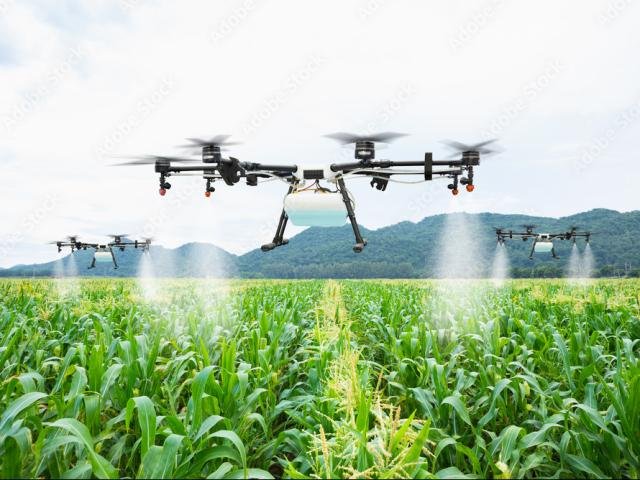
Drone crop spraying services can cover large areas quickly and efficiently. A single drone can spray hundreds of acres in a fraction of the time it would take using conventional methods.
This reduces the need for large spraying crews and allows farmers to focus on other important tasks, improving overall farm productivity.
Benefit 3: Access to Hard-to-Reach Areas
Some farm areas are difficult to access with tractors or manual sprayers due to wet soil, steep terrain, or dense crops. Traditional methods may damage crops or compact soil in these areas.
Drones fly above the crops, making it possible to treat hard-to-reach areas without harming the plants or soil. Drone crop spraying services ensure that every part of the farm receives proper treatment, even in challenging conditions.
Benefit 4: Reduced Chemical Use
Overusing fertilizers, pesticides, and herbicides can increase costs and harm the environment. Traditional spraying methods may apply chemicals unnecessarily, leading to waste and pollution.
Drone crop spraying services apply chemicals only where they are needed, reducing overall usage. This targeted approach not only saves money but also supports environmentally responsible farming practices.
By using fewer chemicals, farmers protect soil health, nearby water sources, and local ecosystems, promoting sustainable agriculture.
Benefit 5: Early Detection of Crop Issues
Many drones used in crop spraying are equipped with sensors and cameras that can monitor crop health while spraying. This allows farmers to detect issues such as pests, diseases, or nutrient deficiencies early.
Early detection allows farmers to take timely action, preventing small problems from spreading across the field. Crop spraying services combine treatment and monitoring, ensuring healthier crops and reducing potential losses.
Benefit 6: Improved Crop Yields
By providing precise spraying, reducing chemical waste, and enabling early detection of crop problems, crop spraying services help farmers improve crop yields.
Healthier plants grow stronger and produce higher-quality fruits, vegetables, or grains. Targeted spraying ensures that crops develop uniformly, reducing uneven growth and improving overall farm productivity.
Benefit 7: Cost Efficiency
Although drones require an initial investment or service fees, crop spraying services can reduce long-term costs for farmers.
Lower chemical usage, reduced labor expenses, and faster spraying all contribute to better financial results. Many service providers offer professional drone spraying, allowing farmers to access advanced technology without buying drones themselves.
This makes drone spraying an affordable and practical option for farms of all sizes.
Benefit 8: Supporting Sustainable Farming Practices
Sustainability is an important focus in modern agriculture. Farmers are under pressure to produce more food while minimizing environmental impact.
Drone crop spraying services help achieve these goals by reducing chemical use, saving water, and minimizing soil damage. Drones prevent soil compaction, reduce fuel consumption from tractors, and allow precise application of nutrients and pesticides.
These benefits make drone spraying a key component of eco-friendly, modern farming practices.
Benefit 9: Real-Time Data and Farm Management
Drones can provide valuable real-time data during spraying, including information about crop growth, field conditions, and environmental factors.
Farmers can use this data to make better decisions about irrigation, nutrient management, and pest control. Drone crop spraying services not only improve efficiency but also support smarter farm management through data-driven insights.
Conclusion
Drone crop spraying services are revolutionizing modern agriculture by providing precision, efficiency, and sustainability. They allow farmers to spray crops accurately, save time and labor, reduce chemical waste, access hard-to-reach areas, and detect problems early.
By improving crop health and productivity, reducing costs, and supporting sustainable practices, drone spraying services are becoming an essential tool for modern farms. Farmers who adopt these services benefit from higher yields, healthier crops, and more efficient farm operations.
As technology continues to advance, drone crop spraying services will play an even greater role in shaping the future of agriculture, making farming smarter, safer, and more productive.
