

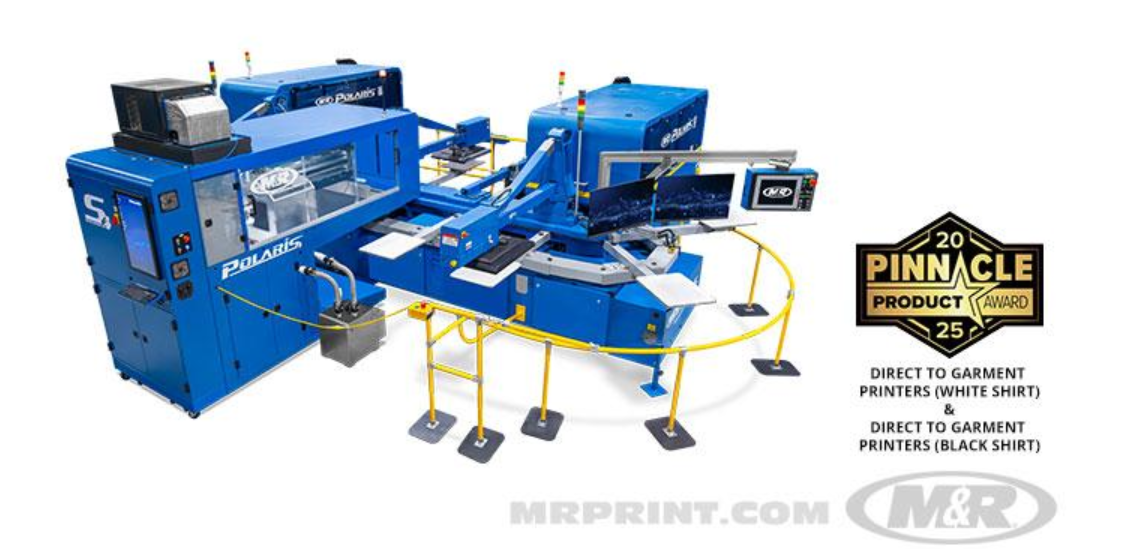
T-shirt printing has changed quickly in the last few years. Customers now expect detailed designs, small batch orders, and fast delivery. Traditional methods still work well for large runs, but they often struggle when orders become more customized. That’s where modern printing technology enters the picture.
A direct to garment machine allows decorators to print complex artwork directly onto fabric with precision and speed. For many shops, this shift has completely changed how they approach garment decoration, short runs, and personalized apparel.
This post explains how the technology works, why businesses are adopting it, and how it improves everyday printing workflows.
Why digital garment printing is changing the apparel industry
Garment decoration used to revolve around large production runs. Printers prepared screens, mixed inks, and set up presses before printing even began. While this method still produces excellent results, it requires time and preparation. When customers want quick customization, the setup process can slow everything down.
Digital garment printing removes much of that preparation. Instead of building multiple screens for each design, artwork moves directly from a computer to the printer. The direct to garment machine applies specialized textile inks onto fabric with high accuracy, producing vibrant images with minimal setup.
This change makes it easier to handle modern demand. Small businesses, online clothing brands, and promotional merchandise companies often need flexibility rather than massive production volume. Digital printing helps them respond quickly to orders while maintaining consistent quality.
As a result, garment decorators now have the ability to offer on-demand printing, detailed graphics, and shorter turnaround times. These capabilities help businesses stay competitive while expanding their service offerings.
Understanding how direct-to-garment technology actually works
Before exploring the benefits, it helps to understand the basic printing process. Digital garment printers function in a way similar to high-end inkjet systems, but they use textile inks designed specifically for fabrics.
The process usually begins with preparing the garment surface. Operators often apply a light pretreatment solution to help inks bond properly with the fabric fibers.
Unlike traditional screen setups, the machine can reproduce extremely detailed images with multiple colors in a single pass. This capability allows designers to print gradients, photographs, and intricate graphics without additional setup steps.
After printing, the garment moves to a heat curing stage. Heat locks the inks into the fibers, ensuring durability and wash resistance. When the curing process finishes, the shirt is ready for packaging or delivery.
This streamlined workflow allows businesses to move from design to finished product far faster than many traditional methods.
Benefits that matter for modern apparel businesses
Digital garment printing offers several practical advantages that help shops operate more efficiently. These benefits explain why many decorators integrate the technology into their production environments.
- It simplifies small production runs. Traditional printing methods often require setup costs that only make sense for larger orders. Digital printing removes most of that preparation, allowing printers to produce even a single shirt profitably.
- It supports complex artwork without extra effort. Detailed graphics, photographic designs, and multicolor images print smoothly without separate screens or color separations.
- Production flexibility improves dramatically. Printers can switch designs instantly, making personalized orders easy to manage. This flexibility is especially useful for e-commerce brands offering custom apparel.
- Waste reduction becomes possible. Since artwork prints directly onto garments, there is less leftover ink and fewer unused screens. This streamlined approach helps businesses reduce material costs and improve workflow efficiency.
When shops combine these advantages with modern industrial systems, the direct to garment machine becomes a powerful tool for scaling customized garment production.
Comparing digital printing with traditional methods
Understanding where digital garment printing fits within the broader industry helps businesses choose the right technology for their needs.
| Printing Method | Strengths | Best Use Case |
| Screen printing | Excellent for large volume runs | Bulk orders with limited colors |
| Heat transfer printing | Quick setup for small designs | Promotional products and simple graphics |
| Digital garment printing | Handles detailed, multicolor artwork | Custom apparel and short runs |
Screen printing remains ideal for high-volume production because it produces durable prints at a low cost per unit. However, preparing screens and aligning colors requires time.
Heat transfer methods provide flexibility but may struggle with durability depending on materials. Digital garment printing fills the gap between these approaches. It supports detailed designs and quick turnaround while maintaining professional print quality.
Because of this balance, many decorators combine multiple printing techniques in their shops. Each method plays a role depending on order size, design complexity, and turnaround expectations.
Why industrial DTG systems improve production efficiency
Not all digital garment printers are designed for heavy production. Entry-level systems work well for small businesses or startups, but high-volume shops often require industrial-level equipment.
Industrial DTG systems focus on speed, consistency, and reliability. They can process large numbers of garments while maintaining color accuracy and detail. Advanced printing platforms also integrate automation features that simplify workflow.
For example, high-speed digital printers allow operators to load garments quickly while maintaining alignment accuracy. Automated ink delivery systems help maintain consistent output throughout long production runs. These improvements reduce manual adjustments and keep production moving smoothly.
Another advantage involves integration with existing garment decoration processes. Many apparel decorators already operate screen printing or embroidery equipment. Industrial digital systems can complement those workflows, allowing shops to handle both large and small orders efficiently.
By combining speed with precision, modern DTG platforms help businesses expand their services while maintaining quality standards.
When businesses benefit most from digital garment printing
Digital garment printing delivers the greatest value in situations where customization and flexibility matter. For example, online apparel brands frequently offer personalized designs or limited-edition products. Printing garments individually makes these business models possible.
Event merchandise also benefits from this technology. Concerts, conventions, and sports tournaments often require quick design changes or limited quantities. Digital printing allows vendors to produce apparel quickly without preparing screens for each design variation.
Corporate merchandise programs represent another opportunity. Companies often order apparel with unique employee names, regional branding, or seasonal artwork. Digital garment printers simplify these customizations without increasing production complexity.
Even established garment decoration shops can benefit from adding this capability. Offering both screen printing and digital printing gives businesses the flexibility to handle almost any order size or design style.
Final thoughts
Garment decoration continues to evolve as technology improves. Customers expect faster delivery, more personalization, and detailed designs that stand out. Digital printing technology helps businesses meet those expectations without adding complicated setup processes.
A direct to garment machine allows printers to move designs directly from digital files onto garments with impressive accuracy. The result is faster production, improved design flexibility, and greater creative freedom for apparel brands.
For garment decorators looking to expand their services, digital printing provides a powerful opportunity. By combining traditional expertise with modern printing technology, businesses can serve a wider range of customers while maintaining high-quality results.
As customization continues to shape the apparel market, digital garment printing will remain a valuable tool for printers who want to stay competitive and deliver exceptional designs.
