


Co-occurring disorders reveal a harsh reality in recovery, as a coach with years navigating mental health and substance use has heard from countless clients: “I fixed the drinking, but I still feel like I’m drowning.” Often called dual diagnosis, this hits when someone battles both a substance use disorder and a mental health condition—like severe anxiety, clinical depression, or PTSD. Treating only the addiction is like putting a bandage on a broken arm. It might cover the surface wound, but the deep, structural damage remains untouched.
This is exactly why holistic addiction treatment is no longer just a wellness trend; it is an absolute clinical necessity. True recovery requires us to look at the entire human being. We cannot separate the mind from the body, nor can we isolate the addiction from the emotional pain that fuels it. For those caught in the relentless cycle of self-medication, a comprehensive approach that addresses physical health, psychological resilience, and spiritual grounding is the only sustainable path forward.
Breaking the Mental Health and Co-Occurring Disorders Loop
To truly grasp the necessity of treating the whole person, we have to examine the vicious cycle of co-occurring disorders. Often, it starts innocently enough. A person experiences crippling social anxiety and discovers that a few drinks quiet the noise in their head. Or, someone dealing with the heavy, suffocating weight of depression finds temporary relief in prescription stimulants. The substance becomes a coping mechanism—a flawed survival tool.
However, as tolerance builds, the brain’s chemistry alters. The very substance used to alleviate the anxiety eventually exacerbates it, creating a rebound effect that is far worse than the original symptom. The individual is now trapped in a loop: using to escape the mental health symptoms, and experiencing worsening mental health as a direct result of the using.
Traditional rehab models historically treated these issues sequentially—get sober first, then deal with the depression. But modern clinical understanding shows us this is highly ineffective. If you strip away a person’s primary coping mechanism (the substance) without simultaneously treating the underlying psychological agony, relapse is almost inevitable. This is why finding an addiction recovery treatment center that specializes in integrated, concurrent treatment is vital. Both the addiction and the mental health disorder must be treated at the exact same time, by a unified clinical team.
Integrating Therapy to Treat Co-Occurring Disorders
So, what does holistic addiction treatment actually look like in practice? It is the seamless integration of evidence-based clinical therapies (like Cognitive Behavioral Therapy or EMDR) with practices that heal the physical body and soothe the nervous system.
According to the Substance Abuse and Mental Health Services Administration (SAMHSA), integrated care for co-occurring disorders significantly lowers relapse rates and improves overall quality of life. But clinical therapy alone can be exhausting. Processing trauma and rewiring cognitive distortions takes a massive toll on the body.
This is where holistic modalities step in to carry the weight.
- Nutritional Psychiatry: Years of substance abuse ravage the gut microbiome, which is where the majority of our serotonin (the “happy chemical”) is produced. A holistic program focuses heavily on nutrient-dense diets to physically rebuild the brain’s capacity to regulate mood.
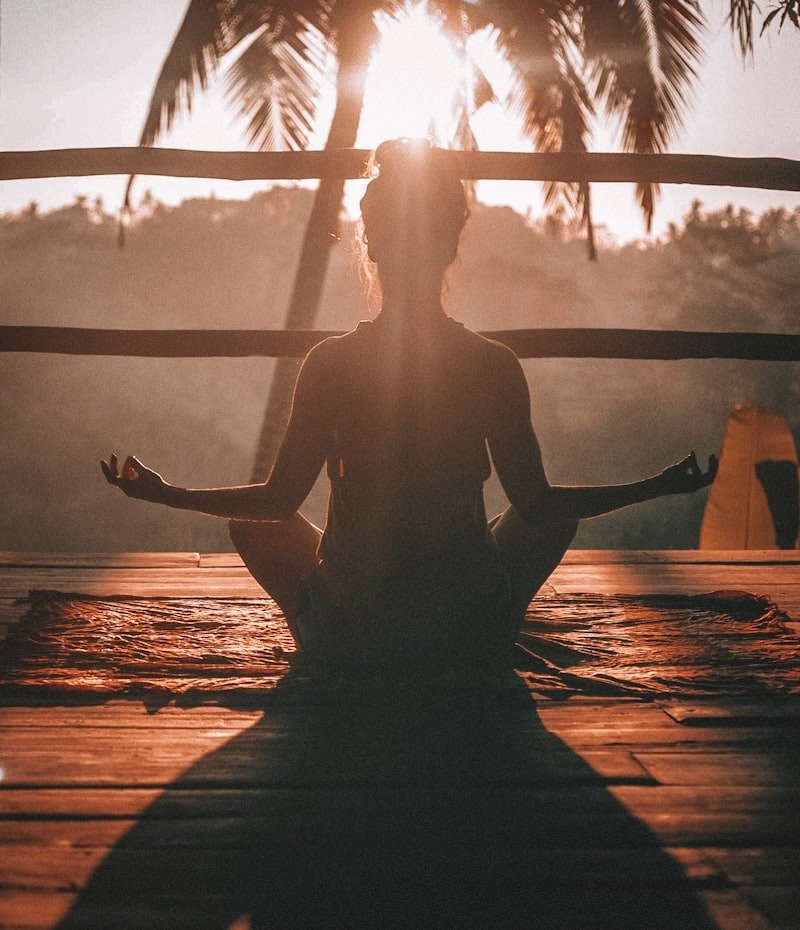
- Somatic Experiencing and Yoga: Trauma lives in the body. Gentle, trauma-informed yoga helps clients reconnect with their physical form in a safe, controlled way, releasing stored tension that talk therapy might miss.
- Mindfulness and Meditation: These practices teach the brain to pause between a trigger and a reaction, a critical skill for someone whose default response to stress has always been substance use.
Actionable Steps for the Dual Diagnosis Journey
If you or a loved one are facing the daunting reality of a dual diagnosis, the path forward requires intentional action. It is not enough to simply stop using; you must actively build a life that supports your mental wellness.
First, seek out a comprehensive assessment. You need a clear, accurate diagnosis from a qualified psychiatrist who understands addiction. Misdiagnosing a co-occurring disorder can lead to ineffective treatment plans.
Next, start small with holistic habits. You do not need to become a master yogi overnight. Begin with five minutes of deep, diaphragmatic breathing each morning. Focus on hydrating your body and eating whole foods. These small, physical acts of self-care send a powerful message to your brain: You are worth taking care of.
Navigating the Challenges and Skepticism
It is important to address the skepticism that often surrounds holistic care. Some people hear “holistic” and assume it means abandoning modern medicine in favor of crystals and wishful thinking. This is a dangerous misconception.
True holistic care is deeply rooted in science. The American Psychological Association (APA) has published extensive research validating the neurological benefits of mindfulness, showing how it physically alters the brain’s gray matter and reduces amygdala reactivity. Holistic does not mean anti-clinical; it means comprehensive.
The challenge lies in the work itself. Taking a pill to numb the pain is easy. Sitting in a meditation circle, feeling the raw, unfiltered reality of your anxiety, and choosing to breathe through it instead of running away—that is incredibly difficult. It requires immense courage.
The Spiritual Grounding of Recovery
Beyond the physical and mental components, holistic treatment acknowledges a third, often overlooked pillar: the human spirit. Addiction is profoundly isolating. It strips away a person’s sense of purpose, connection, and meaning.
Rebuilding this spiritual foundation doesn’t necessarily mean adopting a specific religion. It means finding connection to something larger than oneself. For some, this happens through equine therapy, where the silent, powerful connection with a horse restores a sense of trust. For others, it happens through art therapy, nature immersion, or community service.
When we treat the mind, heal the body, and ignite the spirit, we don’t just help people stop using drugs or alcohol. We help them build a life they no longer want to escape from.
The journey of conquering co-occurring disorders is not a sprint; it is a lifelong practice of self-discovery and profound healing.
