

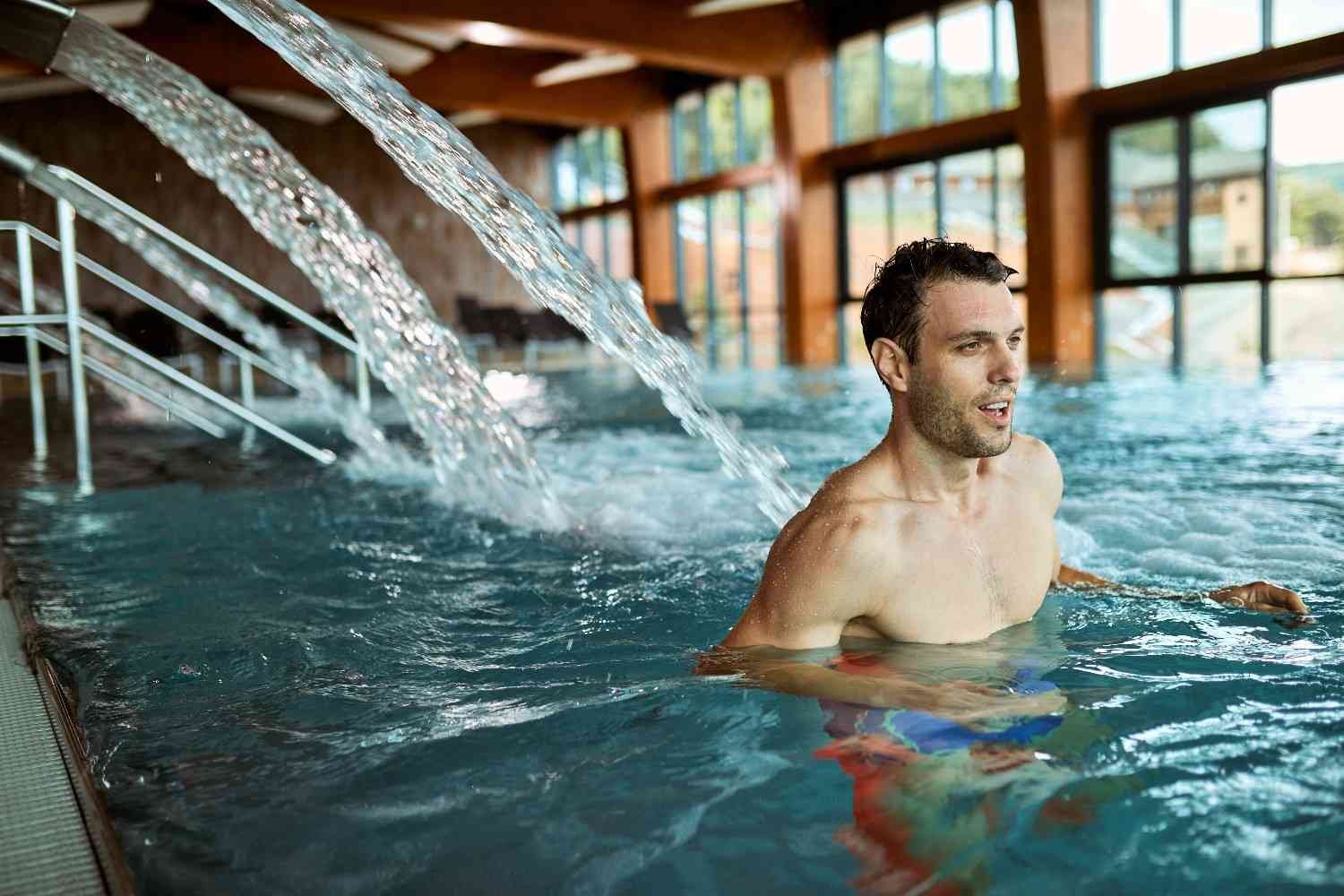
Water gives a very particular environment for restoration and movement. For people living with disabilities, water-primarily based therapy often transforms each day’s workouts, lowering pain and improving mobility. Incorporating hydrotherapy pools proper into a care plan creates profound benefits, particularly for those in Supported Independent Living (SIL) and Specialist Disability Accommodation (SDA).
This guide explores how aquatic treatment facilitates bodily and mental nicely-being for people. You will research the ideal benefits of these environments, how they combine with traditional remedy areas, and the manner to navigate investment and useful resources through your providers.
Understanding Aquatic Therapy in Disability Support
Aquatic remedy makes use of the bodily homes of water to assist in affected person recovery and exercising overall performance. Buoyancy allows frame weight, which reduces strain on joints and lets in for easier motion. Warm water allows lightening up tight muscular tissues and will boom blood waft to injured regions.
What Makes Hydrotherapy Pools Different?
Standard public swimming pools commonly hold cooler temperatures acceptable for active swimming. In evaluation, purpose-constructed hydrotherapy pools continue to be heated between 33 and 36 levels Celsius. This precise temperature variety is vital for fun muscle companies and soothing joint ache. Additionally, these specialised centers characteristic available entry points, which encompass ramps and hoists, ensuring safe right of entry for individuals with diverse mobility degrees.
Key Benefits for SIL and SDA Participants
Participants dwelling in specialised resorts require tailor-made guides to maximise their independence and high-quality of existence. Accessing specialised aquatic environments addresses every physical and mental desire.
Physical Rehabilitation and Pain Relief
The resistance of water builds muscle energy without the strain associated with land-based totally physical games. For individuals dealing with chronic pain, cerebral palsy, or spinal twine injuries, the warm water acts as a natural pain reliever. The hydrostatic strain of the water additionally decreases joint and clean tissue swelling. Consistent periods in hydrotherapy pools regularly cause advanced balance, better cardiovascular fitness, and extended variety of movement.
Mental Health and Independence
Living with an incapacity can from time to time make sense keeping apart. Therapy sessions provide a supportive social environment wherein individuals engage with therapists and buddies. Mastering actions in the water builds self assurance that interprets to each day sports activities. As individuals benefit from electricity and mobility, they often experience extra independence of their living environments, reducing their reliance on non-prevent physical assistance.
Integrating Aquatic Therapy with a Rehab Gym
While water-based totally completely remedy presents high-quality advantages, combining it with land-primarily based workout creates a complete rehabilitation approach. A dedicated Rehab Gym allows members to translate the power and mobility won within the water into realistic, normal actions.
Therapists regularly layout complementary packages. For example, a participant may additionally artwork on joint mobility within the water to lessen ache, then transition to a Rehab Gym to recognition on weight-bearing sports and useful electricity schooling. This dual technique speeds up development and ensures members construct the resilience had to navigate their home and community environments efficiently.
Navigating NDIS Support for Aquatic Therapy
Funding for those treatment plans typically comes via the National Disability Insurance Scheme. Understanding how to utilize this funding ensures participants get preserved of the constant care they require.
Choosing the Right NDIS Provider
Selecting a registered NDIS Provider ensures that the treatment sessions align together with your reputable care plan and goals. A professional agency will take a look at your precise wishes, recommend the suitable frequency of durations, and deliver certified physiotherapists or exercise physiologists who are aware of aquatic environments. Always affirm that the company has access to completely accessible centers.
Working with Your SIL Provider
Your living aid institution plays a crucial role in your remedy journey. A proactive SIL Provider facilitates these durations by way of handling scheduling, organizing available transport to the power, and supplying guide workers to assist with changing and showering earlier than and after the session.
Daily Support Integration
Support workers can also research specific stretches or minor physical sports to help you maintain your improvement on days you do not attend the pool. Clear communication among your remedy crew and your SIL Provider ensures that your own home regularly enhances your rehabilitation goals.
The Role of an SDA Provider
While SIL focuses on the manual services, SDA specializes in the physical residing surroundings. A in advance-thinking SDA Provider designs houses that accommodate the evolving mobility needs of individuals. In a few top class tendencies, an SDA Provider might possibly even encompass onsite access to healing facilities or partner with neighborhood aquatic centers to ensure residents have barrier-free entry to essential remedies. When bodily improvements rise up via remedy, the home environment ought to be manual and encourage that newfound independence.
Maximizing Results in Hydrotherapy Pools
To get the most from your treatment, consistency stays key. Here are sensible strategies to maximise the blessings:
- Set Clear Goals: Work together with your therapist to outline what you need to obtain, whether it’s far decreasing lower back ache, improving walking tempo, or sincerely feeling greater cushty.
- Stay Hydrated: Even despite the fact that you’re within the water, you could sweat. Drink masses of water in advance and after your classes.
- Communicate: Always inform your therapist if a movement causes a sharp ache. The resistance of the water may be adjusted with the useful resource of converting the velocity of your movements or the usage of super tools.
- Rest and Recover: Warm water remedy may be fantastically tiring. Allow yourself proper sufficient time to rest after a consultation.
By leveraging the precise houses of heat water, participants enjoy good sized upgrades in each mobility and mental well-being. Whether you are aiming to reduce chronic pain or construct the energy wished for each day’s duties, aquatic treatment offers a safe, quite effective pathway.
If you are a participant or a caregiver, the subsequent step entails reviewing your current NDIS plan. Speak with your guide coordinator or businesses to explore adding aquatic remedies in your routine. Assess nearby facilities to make certain they meet your accessibility dreams and begin experiencing the transformative energy of water-primarily based rehabilitation.
