

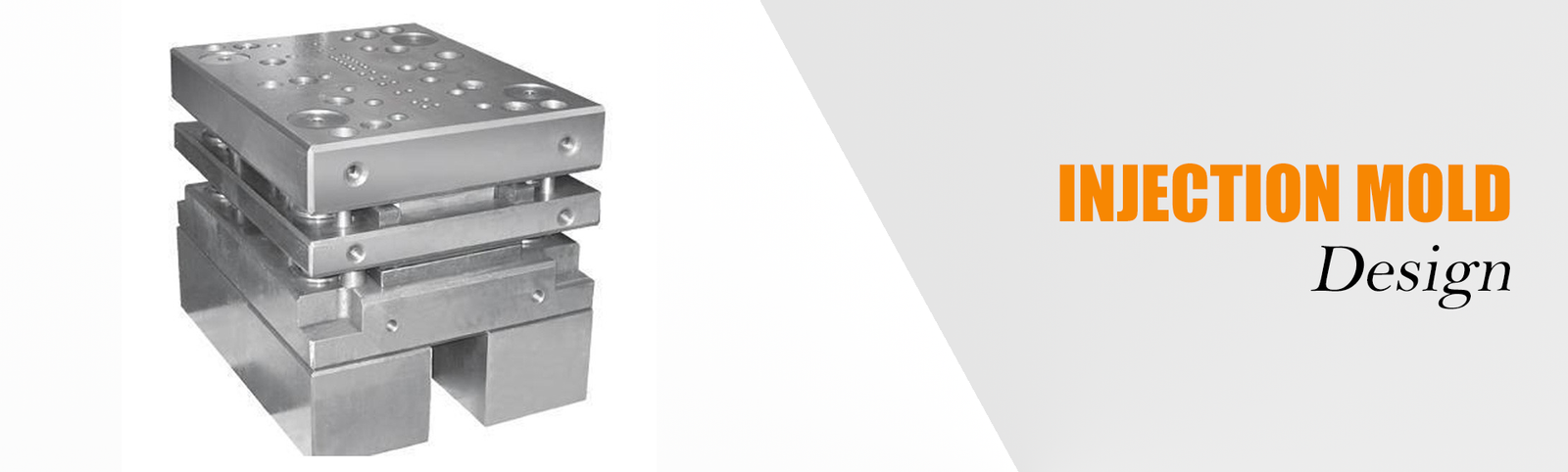
The plastic injection molding demands precision at every step of the process. The small errors lead to major quality issues and wasted materials. Any slight temperature changes can ruin entire production batches. The experienced injection mold designers spot these potential problems.
The knowledge of injection mold designers proves crucial in this balance. These six essential factors determine the specs of the parts. Mastering these six elements leads to faster cycles and lower costs. The company focuses on these factors to waste less material. Their production runs face few interruptions from quality problems.
Factors in Plastic Injection Molding Process
1. Material Selection
There are many different resins. These provide unique benefits for specific applications and environments. The ABS is the best for durability, while PP offers chemical resistance for everyday parts. The best plastic injection mould design considers material properties.
The resin shrinkage rates vary from 0.4% to 2.5% depending on type. This variation demands careful planning when sizing molds for precise parts. Many automotive injection molding companies select materials based on both performance needs and shrinkage behaviour.
The melt flow index shows the material flow under heat and pressure. The high MFI materials fill intricate cavities more completely than lower ones. Many fillers like glass fibre or talc, can enhance strength or reduce costs.
Their moisture content must remain minimal before processing. Most plastics require thorough drying to prevent surface defects and structural weakness. The expertise of injection mold designers is critical for balancing all these material factors.
2. Mold Design
The gate placement determines the plastic flows and appearance of the weld lines. The strategic positioning prevents visible defects on finished product surfaces. The proper draft angles between 1-3 degrees help parts release cleanly from molds.
The venting allows trapped air to escape during the injection process. The burning and incomplete filling commonly occur without adequate vents. The clients should look for mould makers near me. The choice should be based on the venting details and the part quality.
The consistent wall thickness can prevent sink marks and warping after cooling. Their sudden thick-to-thin transitions create stress points and appearance problems. The best 3D mold design accounts for material flow patterns throughout the part.
The runner systems direct plastic to cavity spaces with minimal waste. The hot runners eliminate sprue and runner scrap. The experienced injection mold designers balance these considerations against production volume requirements.
3. Temperature Control
The barrel temperatures must match the melting point of your chosen resin. Too low causes incomplete melting and too high degrades the material. The temperature zoning helps handle complex part geometries.
The mold temperature affects surface finish, crystallinity, and dimensional stability. The high temperatures produce glossier surfaces and extend cooling times. Many professional automotive injection molding companies monitor these parameters continuously during production.
The manufacturers balance the heat across the entire mold to prevent warping and stress. The thermal imaging cameras help identify hot spots needing attention. The clients should look for 3D printing near me to find the services which provide prototype cooling solutions.
The manufacturers can control the zone-by-zone heat for precise adjustment in problem areas. The different sections of complex parts may require unique temperature profiles. The proper thermal management reduces cycle times and maintains quality.
4. Injection Pressure and Speed
The pressure requirements vary based on part complexity and material type. The thin walls of the parts need higher pressures to fill completely before freezing. The right plastic injection mold design calculates optimal pressure for each application.
The parts fill speed affects surface and weld line appearance. The manufacturers can reduce the visible weld lines but increase shear heating. This requires a balance between experience and careful testing.
The pressure prevents voids and minimises shrinkage after initial filling. The transition from fill to pack phase requires precise timing. Many look for local mould makers near me to get advice on pressure profiles.
The pressure profiling allows gradual application throughout the injection cycle. This process reduces stress and prevents flash around parting lines. The injection pressures range between 500-1500 bar.
5. Cooling Time
Cooling occupies 50-80% of the entire production cycle time. This phase determines final dimensions and physical properties. The efficient cooling design maximises the production process.
The water temperature and flow rate affect cooling efficiency. The turbulent water flow extracts heat more than laminar flow. Many manufacturers using advanced 3D mold design often include conformal cooling channels.
The part thickness influences the necessary cooling duration. The general rule suggests allowing 25-30 seconds per millimetre of thickness. This phase can also lead to warping or dimensional problems.
The uneven cooling creates internal stresses, leading to warping or twisting. The manufacturers use the balanced cooling circuit design to prevent these issues. Many look for 3D printing near me for services of cooling analysis.
6. Quality Control and Process Monitoring
The dimensional inspection ensures parts meet design specifications. Many coordinate measuring machines provide precise data on critical dimensions. Their regular monitoring catches process drift before producing defective parts.
The visual inspection identifies surface defects like burns or flow lines. The trained engineers recognise subtle issues. The leading automotive injection molding companies implement comprehensive inspection protocols.
The pressure sensors within mold cavities track actual filling conditions. This data helps troubleshoot problems and maintain consistent quality. The process monitoring software analyses patterns over multiple production runs.
The statistical process control charts identify trends before specifications are violated. This prevents waste and customer complaints. An experienced injection mold designers has established monitoring protocols.
The first article inspection validates the process before full production. This confirms that all parameters produce acceptable results. The best plastic injection mold design includes considerations for easy quality verification.
Conclusion
The best manufacturers maintain strict control over all six factors. They balance these factors for production efficiency. The temperature and pressure settings need regular monitoring and adjustment.
The modern molding combines science and practical experience. The data-driven decisions help optimize each production run. The parts perform better and cost less to manufacture.
Our experts know what makes projects work smoothly from start to finish. We share tips that prevent common problems before they happen. Reach out today at +1(917)-993-9690 to learn the most important success factors. Send your project details to info@plastic-injectionmolding.com for specific advice that fits your needs. We focus on manufacturing good parts.
