

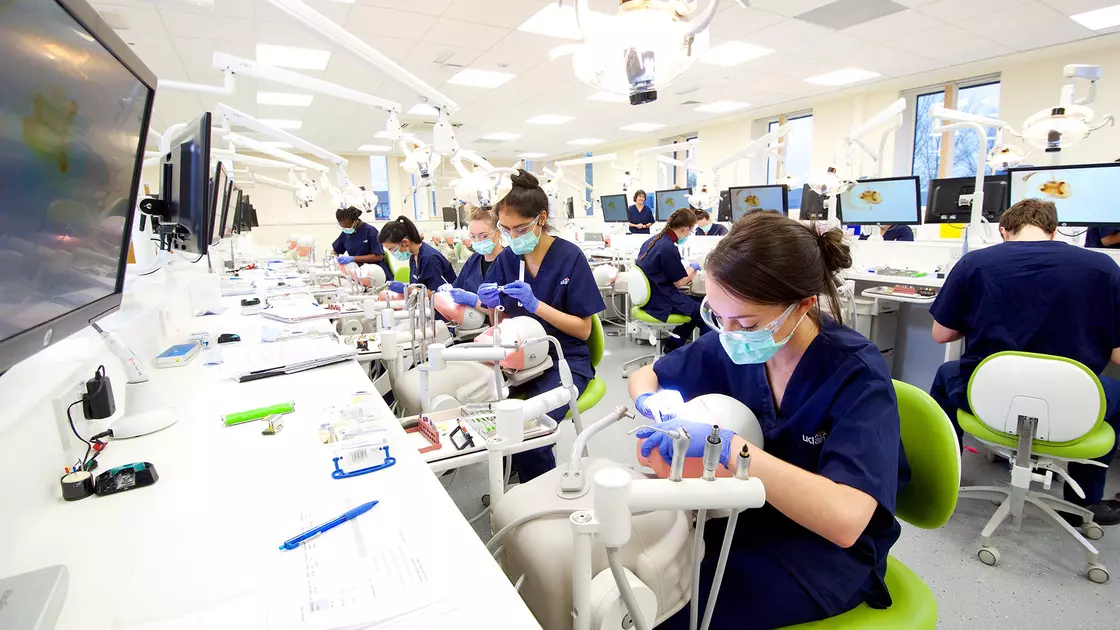
Effective communication is a cornerstone of modern dental practice. Dentists and dental professionals not only need clinical expertise but also the ability to connect with patients, explain treatments, and manage concerns empathetically. Poor communication can lead to misunderstandings, reduced patient satisfaction, and even missed appointments. That’s why UK-based dental communication courses have become increasingly important for dental professionals aiming to enhance patient relations and elevate their practice.
Why Dental Communication Matters
Dentistry is unique because it combines medical expertise with significant patient interaction. Every consultation, treatment explanation, or follow-up requires clear communication. Patients may feel anxious or nervous about procedures like root canals, implants, or cosmetic treatments. A dentist with strong communication skills can help alleviate fears, build trust, and ensure patients feel informed and comfortable throughout their care.
Strong communication skills also benefit dental teams internally. Proper interaction among staff improves workflow, reduces errors, and fosters a professional, patient-friendly environment. Courses focused on dental communication equip professionals with techniques to convey complex information in simple, reassuring language while maintaining empathy and professionalism.
Key Features of UK Dental Communication Courses
1. Patient-Centered Communication
Courses emphasize strategies for listening actively, understanding patient concerns, and responding appropriately. This includes learning to ask the right questions, summarizing information, and confirming understanding to avoid miscommunication.
2. Handling Difficult Situations
Dentists often encounter anxious, hesitant, or non-compliant patients. Training covers techniques to manage difficult conversations, de-escalate tension, and maintain professionalism while guiding patients through treatment plans.
3. Explaining Procedures Clearly
A significant part of dental communication is translating clinical jargon into understandable terms. Courses teach professionals to explain diagnoses, procedures, and post-treatment care effectively, helping patients make informed decisions.
4. Empathy and Bedside Manner
Empathy is a critical component of patient relations. Training encourages the development of emotional intelligence, allowing dental professionals to recognize patient emotions and respond with compassion and reassurance.
5. Team Communication Skills
Dental practices function as a team. Courses often include modules on interprofessional communication, conflict resolution, and effective collaboration among hygienists, assistants, and administrative staff.
Benefits of Attending a UK-Based Course
- Enhanced Patient Satisfaction: Clear and empathetic communication increases trust and compliance.
- Reduced Anxiety: Patients feel reassured and confident in their care.
- Professional Growth: Dentists gain skills that set them apart in competitive markets.
- Improved Clinic Reputation: Positive patient experiences lead to referrals and long-term loyalty.
- Compliance and Ethics: Proper communication ensures informed consent and ethical practice.
Choosing the Right Course
When selecting a dental communication course in the UK, consider factors such as accreditation, curriculum content, practical workshops, and flexibility (online or in-person). Reputable programs often combine lectures, role-playing exercises, and real-world scenarios to provide hands-on experience. Look for courses offered by recognized institutions or professional dental associations to ensure quality and credibility.
Final Thoughts
Investing in a UK-based dental communication course is a strategic move for dental professionals seeking to improve patient relations and enhance their practice. By developing strong communication skills, dentists can build trust, reduce patient anxiety, and ensure high levels of satisfaction. Whether you are a new graduate or an experienced practitioner, these courses provide valuable tools for professional growth, improved patient care, and a more successful, patient-focused dental practice.
