

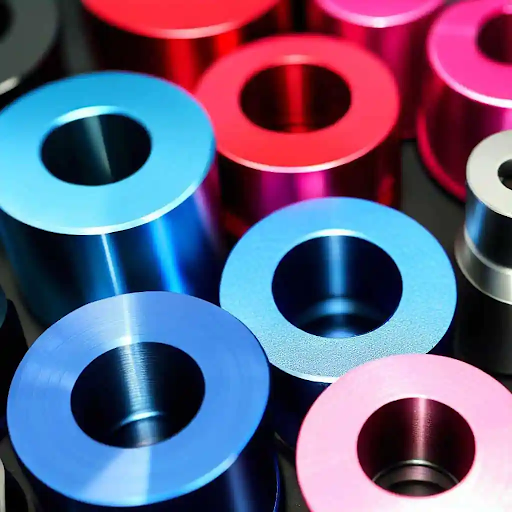
Aluminium has become a cornerstone material across architecture, transportation, electronics, and consumer products due to its lightweight nature and versatility. However, raw aluminium alone may not always meet the demanding requirements of durability, corrosion resistance, and premium aesthetics. Advanced anodizing technology transforms aluminium surfaces into highly resilient and visually appealing finishes that perform exceptionally well even in harsh environments. Products made with bright anodized aluminum demonstrate how surface engineering can elevate both performance and design, making them suitable for applications where appearance and longevity matter equally.
Understanding Advanced Anodizing
Anodizing is an electrochemical process that thickens the natural oxide layer on aluminium, creating a protective surface that is harder, more durable, and resistant to corrosion. Unlike paint or coatings that sit on top of the metal, the anodized layer becomes an integral part of the material itself. This ensures it will not peel, chip, or flake over time.
How the Process Works
The anodizing process involves immersing aluminium in an electrolyte bath and passing an electric current through it. This controlled oxidation forms a uniform oxide layer with microscopic pores that can later be sealed for added protection or dyed for decorative finishes.
Key stages include:
- Surface preparation: Cleaning and etching remove impurities
- Electrochemical oxidation: Controlled current builds the oxide layer
- Coloring (optional): Dyes or metallic salts create desired shades
- Sealing: Pores are closed to enhance durability and corrosion resistance
This process produces surfaces that are significantly tougher than untreated aluminium while maintaining a sleek, metallic appearance.
Strength Benefits of Anodized Aluminium
Advanced anodizing dramatically improves the mechanical and chemical resilience of aluminium components, making them suitable for demanding industrial and outdoor environments.
Superior Corrosion Resistance
Anodized surfaces resist moisture, chemicals, and environmental pollutants far better than untreated metal. This makes them ideal for coastal regions, humid climates, and industrial settings where corrosion can quickly degrade standard materials.
Enhanced Surface Hardness
The oxide layer created during anodizing is much harder than the base metal. This improves scratch resistance and protects components from abrasion caused by friction, handling, or environmental exposure.
Thermal Stability
Anodized aluminium maintains its structural integrity across a wide temperature range. Unlike some coatings, it does not soften, crack, or degrade easily when exposed to heat, making it suitable for applications near engines, machinery, or high-temperature equipment.
Long-Term Reliability
Because the protective layer is integrated into the metal rather than applied externally, it provides consistent performance over many years. High-quality, bright anodized aluminum maintains its structural properties even under continuous use, reducing maintenance needs and replacement costs.
Visual Appeal and Design Flexibility
Beyond durability, anodizing enhances the natural beauty of aluminium, making it a preferred choice for visible components in architecture, consumer goods, and transportation.
Uniform Metallic Finish
Anodized surfaces retain the authentic metallic look of aluminium while appearing smoother and more refined. The finish can range from matte to high gloss, depending on processing techniques.
Color Stability
Unlike painted surfaces that may fade or peel, anodized finishes retain their color for extended periods. This stability is particularly valuable for exterior installations exposed to sunlight and weather.
Premium Aesthetic Options
Designers often choose anodized finishes to achieve a modern, sophisticated appearance. The reflective quality of polished surfaces enhances lighting effects and contributes to visually striking products.
Application Versatility
A wide variety of components can benefit from anodizing, including:
- Architectural panels and window frames
- Automotive trim and interior accents
- Consumer electronics casings
- Lighting fixtures and decorative elements
- Industrial equipment housings
These applications demonstrate how anodizing combines functionality with style.
Role in Modern Industrial Applications
Advanced anodizing plays a crucial role in sectors where both performance and appearance are essential. Industries increasingly rely on treated aluminium components to meet strict safety, durability, and design requirements.
Architecture and Construction
Buildings demand materials that withstand weather exposure while maintaining visual appeal. Anodized aluminium provides a sleek finish that resists corrosion, making it ideal for façades, railings, and structural elements.
Transportation
Automotive and aerospace industries use anodized components to reduce weight without sacrificing strength. Treated aluminium parts improve fuel efficiency while maintaining durability under mechanical stress.
Electronics Manufacturing
Consumer electronics benefit from anodized casings that offer scratch resistance, heat dissipation, and a premium feel. The process also allows precise color matching for branding and design consistency.
Industrial Machinery
Protective surfaces extend the lifespan of equipment used in harsh environments. Components such as frames, panels, and enclosures often incorporate anodized aluminium to ensure reliable performance.
In many of these applications, anodized aluminium sections provide structural support while maintaining a clean, professional appearance. Their ability to combine strength with lightweight properties makes them indispensable in modern engineering.
Environmental and Economic Advantages
Anodizing is not only beneficial for performance and aesthetics but also contributes to sustainable manufacturing practices.
Eco-Friendly Process
The anodizing process does not produce harmful emissions associated with some coating methods. Aluminium itself is fully recyclable, and anodized products can be reused without losing their properties.
Reduced Maintenance Costs
Because anodized surfaces resist corrosion, fading, and wear, they require minimal upkeep. This lowers long-term maintenance expenses for buildings, machinery, and consumer products.
Extended Product Lifespan
Durable surfaces reduce the frequency of replacements, conserving resources and minimizing waste. This makes anodized aluminium a cost-effective choice over the lifecycle of a product.
Conclusion
Advanced anodizing represents a perfect balance between engineering strength and visual sophistication. By enhancing corrosion resistance, hardness, and aesthetic quality, the process transforms ordinary aluminium into a high-performance material suitable for demanding applications. Industries ranging from architecture to electronics rely on treated components to deliver durability without compromising design.
At JM Aluminium, we specialize in delivering premium solutions that combine technical excellence with refined finishes. Our expertise in producing high-quality anodized aluminium sections ensures that every product meets strict standards for durability, precision, and appearance. By choosing JM Aluminium, you partner with a team committed to innovation, reliability, and customer satisfaction, helping your projects achieve both functional excellence and lasting visual impact.
