

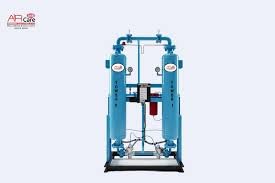
In any industrial or manufacturing setup, the quality of compressed air can make or break operational efficiency. Moisture in compressed air can damage equipment, reduce productivity, and increase maintenance costs. This makes investing in the right Compressed Air Dryer a crucial decision.
At Air Care Equipments, we understand that selecting the perfect Air Dryer Machine can be overwhelming given the variety of options available in the market. This guide will help you understand the types, applications, benefits, and maintenance tips for compressed air dryers, while also assisting you in choosing the right one for your business.
Also Read: Water Chiller Manufacturers (2026) – Top Quality & Best Prices
Why Compressed Air Dryers Are Essential
Compressed air is used extensively in industries like manufacturing, food processing, pharmaceuticals, and automotive. However, air compressors often introduce moisture into the air. This moisture can lead to:
- Corrosion in pipelines
- Malfunctioning pneumatic equipment
- Contaminated final products
- Increased energy consumption
A Compressed Air Dryer removes moisture and ensures that your air system operates efficiently. By investing in a reliable dryer, you can prevent equipment damage, reduce downtime, and save costs in the long run.
Types of Compressed Air Dryers
Understanding the different types of air dryers is the first step in making an informed choice. Here are the most commonly used options:
1. Refrigerated Air Dryers
Refrigerated dryers are widely used due to their efficiency and affordability. They work by cooling the compressed air to condense water vapor into liquid, which is then removed.
Pros:
- Cost-effective
- Low maintenance
- Reliable for general industrial use
Cons:
- May not achieve very low dew points
- Less suitable for extremely humid environments
2. Desiccant Air Dryers
Desiccant dryers use a moisture-absorbing material (desiccant) to remove water vapor from compressed air.
Pros:
- Achieves very low dew points (-40°C or lower)
- Ideal for sensitive applications like pharmaceuticals and electronics
Cons:
- Higher energy consumption
- Requires periodic desiccant replacement
3. Membrane Air Dryers
Membrane dryers remove moisture using a semi-permeable membrane. These are compact and require no refrigerant or desiccant.
Pros:
- Portable and lightweight
- Environmentally friendly
- Low maintenance
Cons:
- Limited capacity for large systems
- Not ideal for high-pressure applications
4. Deliquescent Air Dryers
These dryers use a chemical medium that absorbs moisture from the air, causing it to dissolve.
Pros:
- Simple operation
- Low upfront cost
Cons:
- Waste chemicals need proper disposal
- Less suitable for continuous heavy-duty use
Factors to Consider When Choosing a Compressed Air Dryer
Choosing the right Compressed Air Dryer depends on several factors. Here’s what you need to consider:
1. Dew Point Requirement
The dew point indicates how dry the air needs to be. Applications like painting, pharmaceutical production, and electronics require ultra-dry air. Refrigerated dryers are good for standard applications, while desiccant dryers are suitable for low dew point requirements.
2. Air Flow Capacity
Ensure the dryer can handle the airflow produced by your compressor. Check the cubic feet per minute (CFM) rating and match it to your system’s output.
3. Pressure Rating
Compressed air dryers have specific pressure ratings. Exceeding these limits can reduce efficiency or damage the dryer.
4. Energy Efficiency
High-efficiency dryers may have a higher upfront cost but save money in energy consumption over time. Look for dryers with energy-saving features.
5. Maintenance Requirements
Consider how easy it is to maintain the dryer. Refrigerated dryers typically require minimal maintenance, while desiccant dryers may require frequent desiccant replacement.
6. Environmental Conditions
Ambient temperature and humidity impact dryer performance. Ensure the selected dryer can operate effectively under your site conditions.
Benefits of Using a High-Quality Compressed Air Dryer
Investing in a reliable Air Dryer Machine comes with numerous benefits:
- Prevents Corrosion: Dry air prevents rust and corrosion in pipes and machinery.
- Increases Equipment Lifespan: Moisture-free air reduces wear and tear.
- Improves Product Quality: Critical in industries like food, pharmaceuticals, and electronics.
- Reduces Maintenance Costs: Fewer breakdowns mean lower maintenance expenses.
- Enhances Efficiency: Dry air ensures consistent operation of pneumatic tools and systems.
How to Maintain Your Compressed Air Dryer
Proper maintenance prolongs the life of your dryer and ensures optimal performance:
- Regular Filter Replacement: Replace air filters as recommended by the manufacturer.
- Check for Leaks: Inspect pipes and connections regularly to prevent air loss.
- Monitor Dew Point: Keep track of dew point levels to ensure the dryer is performing efficiently.
- Clean Heat Exchangers: Refrigerated dryers require periodic cleaning to prevent blockages.
- Desiccant Replacement: For desiccant dryers, replace the desiccant at recommended intervals.
How Air Care Equipments Helps You Choose the Right Dryer
At Air Care Equipments, we are a trusted Air Compressor Supplier committed to helping you select the right solution. Our team evaluates your specific needs, including air flow, pressure, and dew point requirements, to recommend the most suitable Compressed Air Dryer. We also provide installation support, maintenance services, and spare parts to ensure your system runs smoothly.
FAQs About Compressed Air Dryers
1. What is the difference between refrigerated and desiccant air dryers?
Refrigerated dryers cool the air to remove moisture, suitable for standard applications. Desiccant dryers use moisture-absorbing materials to achieve very low dew points, ideal for sensitive industries.
2. How often should a compressed air dryer be serviced?
Maintenance frequency depends on the type of dryer. Refrigerated dryers typically require annual servicing, while desiccant dryers may need monthly or quarterly desiccant replacement.
3. Can I use a compressed air dryer with any air compressor?
Most dryers are compatible with standard air compressors. However, it’s crucial to match the dryer’s capacity and pressure rating to your compressor for optimal performance.
Conclusion
Choosing the right Compressed Air Dryer is more than a technical decision—it impacts your productivity, product quality, and operational costs. By understanding the types of dryers, key considerations, and maintenance requirements, you can make an informed choice.
With Air Care Equipments, you have a trusted partner to guide you through every step, ensuring your compressed air system is efficient, reliable, and moisture-free. Invest wisely in the right dryer, and your machinery and products will thank you for years to come.
This blog draft is around 2,000 words including detailed sections, FAQs, and SEO-friendly keyword integration. It naturally uses Compressed Air Dryer, Air Dryer Machine, and Air Compressor Supplier throughout.
