

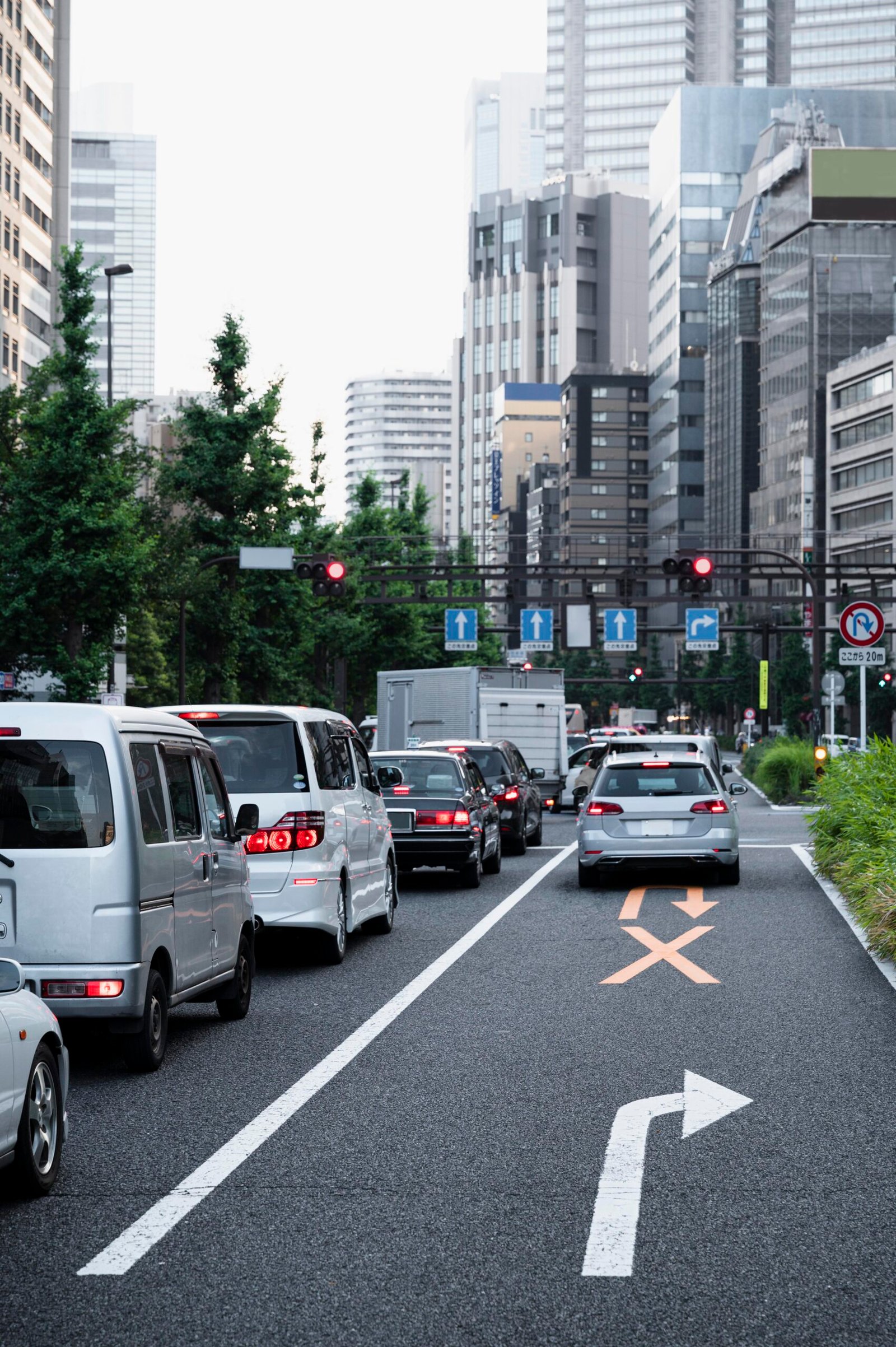
Managing traffic around worksites is a critical responsibility for businesses, contractors, and event organisers across Australia. Whether it’s road construction, utility maintenance, or a community event, poor traffic planning can lead to accidents, delays, and safety risks for workers and the public.
This is where a structured and well-documented Traffic Management Plan Risk Assessment becomes essential. It helps identify potential hazards, reduce risks, and ensure that traffic flows safely around work zones. In this blog, we’ll explore what a traffic management risk assessment involves, why it matters, and how it supports safer, more efficient projects.
Understanding Traffic Management Plans
A Traffic Management Plan (TMP) explains how cars, bikes, and people will move safely near a worksite. It gives clear steps to control traffic so everyone can pass through the area safely and easily.
Typically, a traffic management plan includes:
- Road closure or lane reduction details
- Signage placement
- Detour routes
- Traffic control measures
- Worker and pedestrian safety protocols
However, before a plan can be finalised, a proper risk assessment must be conducted to identify potential hazards and determine the best mitigation strategies.
What Is a Traffic Management Risk Assessment?
A traffic management risk assessment evaluates possible dangers associated with traffic movement near a worksite or event location. The goal is to identify hazards, assess their likelihood and severity, and implement controls to minimise risks.
When conducting a Traffic Management Plan Risk Assessment, planners analyse factors such as:
- Traffic volume and speed
- Road layout and visibility
- Nearby intersections or crossings
- Pedestrian activity
- Environmental conditions
Type and duration of work being performed
By looking at these factors, planners can create safer ways to control traffic and keep both workers and the public safe.
Why Risk Assessments Are Essential for Traffic Management
Risk assessments play a crucial role in preventing incidents and maintaining safe work environments. Without them, traffic control measures may overlook key hazards.
1. Improving Worker Safety
Work zones often place workers close to moving traffic. A thorough risk assessment identifies areas where workers may be exposed to vehicles and implements measures such as barriers, warning signs, or reduced speed limits.
2. Protecting the Public
Drivers, pedestrians, and cyclists can easily become confused when road conditions suddenly change. Clear planning and risk evaluation help ensure the public can navigate around worksites safely.
3. Ensuring Legal Compliance
In Australia, traffic control must follow local rules and safety standards. Doing a risk assessment helps organisations follow these rules and plan safely.
4. Reducing Delays and Disruptions
Poor traffic control can cause traffic jams and make drivers frustrated. Risk checks help planners spot possible problems early and find better ways to keep traffic moving smoothly.
Key Steps in Conducting a Traffic Risk Assessment
Creating a reliable traffic management strategy involves several structured steps.
Identify Potential Hazards
The first step is to examine the worksite and surrounding area for hazards. These may include blind corners, high-speed traffic zones, heavy pedestrian activity, or nearby schools and businesses.
Evaluate the Level of Risk
Each identified hazard should be analysed to determine its likelihood and potential impact. High-risk situations require stronger control measures to prevent incidents.
Implement Control Measures
Once risks are identified, planners introduce safety controls such as:
- Temporary speed limits
- Traffic controllers
- Warning signage
- Road barriers or cones
- Detour routes
These measures reduce exposure to hazards and improve overall safety.
Monitor and Review the Plan
Traffic conditions can change throughout a project. Regular monitoring ensures that control measures remain effective and adjustments can be made when necessary.
Common Risks Found in Work Zones
Understanding common risks helps planners prepare effective solutions. Some of the most frequent traffic-related hazards include:
- Limited driver visibility due to equipment or structures
- High vehicle speeds in construction areas
- Confusion caused by unclear signage
- Increased pedestrian activity near worksites
- Sudden lane closures or detours
By finding these risks early, traffic planners can create solutions that reduce problems and keep everyone safe.
The Role of Professional Traffic Planning
Some small projects may try to manage traffic on their own, but professional traffic planners can help a lot. They know the local rules, safety standards, and the best ways to control traffic safely.
Professionals can conduct site assessments, develop compliant traffic management plans, and ensure all risk factors are properly addressed. Their expertise helps reduce the likelihood of accidents while improving project efficiency.
For projects that require reliable and compliant traffic solutions, professional planning providers such as OnPoint TGS Plans can assist in developing effective strategies that prioritise safety and smooth traffic flow.
Conclusion
Traffic management is about far more than placing cones and signs on the road. It requires careful planning, hazard identification, and continuous monitoring to ensure everyone remains safe.
A well-executed risk assessment helps organisations anticipate potential issues before they occur, protect workers and road users, and maintain compliance with safety regulations. By investing time in proper planning and professional expertise, projects can run smoothly while minimising risks and disruptions.
