

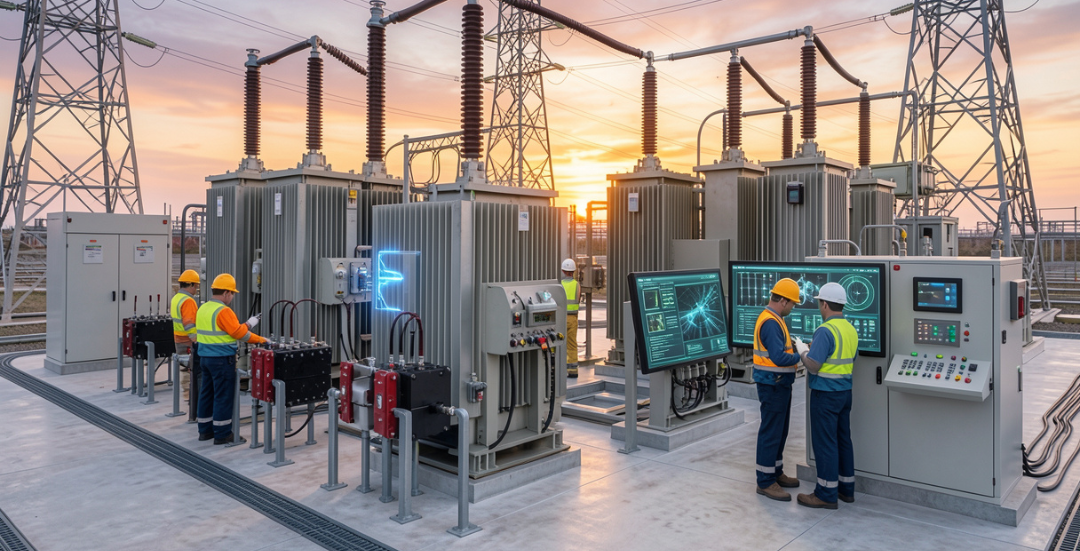
Modern power systems are becoming increasingly complex due to the integration of renewable energy, evolving grid codes, and stricter regulatory frameworks. In this environment, aligning power substation design with compliance strategies is no longer optional—it is essential for ensuring reliability, safety, and operational efficiency. Organizations that effectively combine engineering excellence with regulatory awareness can reduce risks, avoid costly penalties, and deliver more resilient infrastructure.
This guide explores how integrating design and compliance strategies can streamline project execution while meeting industry standards.
Understanding the Link Between Design and Compliance
Substation projects are governed by a wide range of standards and regulatory requirements. These include safety codes, environmental regulations, and operational guidelines that ensure grid stability. When substation design & engineering is approached without considering compliance from the start, it often leads to rework, delays, and increased costs.
Integrating compliance into the design phase ensures that every component—from layout and equipment selection to protection systems—is aligned with regulatory expectations. This proactive approach not only simplifies approvals but also enhances long-term system performance.
The Role of Compliance in Modern Grid Infrastructure
Grid compliance plays a crucial role in maintaining system reliability and preventing large-scale outages. Regulatory frameworks require utilities and engineering firms to follow strict guidelines for system protection, data reporting, and operational procedures.
Working with experienced nerc compliance consultants can help organizations navigate these complex requirements. These professionals bring in-depth knowledge of standards and ensure that substation projects meet all necessary criteria from the outset. Their involvement reduces the likelihood of compliance gaps and supports smoother project delivery.
Key Design Considerations for Compliance Integration
Effective integration of compliance strategies begins with thoughtful planning and design. Engineers must consider several critical factors to ensure that substations meet both technical and regulatory requirements.
One important aspect is equipment selection. Choosing compliant and certified equipment ensures compatibility with grid standards and reduces the risk of operational failures. Another factor is system protection design, which must align with regulatory guidelines to ensure fault detection and isolation.
Site layout and environmental considerations also play a significant role. Proper spacing, grounding systems, and safety clearances are essential for meeting compliance requirements while ensuring safe operations. Additionally, incorporating digital monitoring and automation systems can help meet reporting and data management standards.
Benefits of Integrating Design and Compliance Early
Integrating compliance strategies during the design phase offers several advantages. It reduces project delays by minimizing the need for redesigns and re-approvals. It also lowers costs by preventing compliance-related penalties and operational inefficiencies.
From a reliability perspective, compliant substations are better equipped to handle system disturbances and maintain stable operations. This is particularly important in modern grids, where the integration of renewable energy sources introduces variability and complexity.
Furthermore, early integration improves stakeholder confidence. Utilities, regulators, and investors are more likely to support projects that demonstrate a clear commitment to compliance and quality.
Overcoming Common Challenges
Despite its benefits, integrating design and compliance can present challenges. One common issue is the lack of coordination between engineering and compliance teams. When these teams operate in silos, important requirements may be overlooked.
Another challenge is keeping up with evolving regulations. Grid codes and compliance standards are constantly changing, requiring organizations to stay updated and adapt their strategies accordingly.
To overcome these challenges, companies should adopt a collaborative approach that brings together engineers, compliance experts, and project managers. Regular communication and continuous training can help ensure that all stakeholders are aligned with current requirements.
Best Practices for Successful Integration
Successful integration of substation design and compliance strategies requires a structured approach. Organizations should begin by conducting comprehensive planning and feasibility studies that include compliance assessments. This helps identify potential issues early and allows for timely adjustments.
Engaging experienced consultants and leveraging advanced design tools can further enhance the integration process. Digital solutions, such as simulation software and monitoring systems, enable engineers to test compliance scenarios and optimize designs before implementation.
Documentation and record-keeping are equally important. Maintaining accurate records ensures transparency and simplifies audits and inspections. It also provides valuable insights for future projects.
Finally, continuous improvement should be a core principle. By analyzing past projects and incorporating lessons learned, organizations can refine their processes and achieve better outcomes over time.
Conclusion
Integrating power substation design with compliance strategies is a critical step toward building reliable and future-ready power systems. By aligning engineering practices with regulatory requirements, organizations can enhance efficiency, reduce risks, and ensure long-term success.
With the support of skilled nerc compliance consultants and a strong focus on collaboration, companies can navigate the complexities of modern grid infrastructure with confidence. Ultimately, a well-integrated approach to substation design & engineering not only meets compliance standards but also delivers superior performance and value.
If your organization is planning a substation project, now is the time to adopt an integrated strategy that combines design excellence with compliance expertise.
