

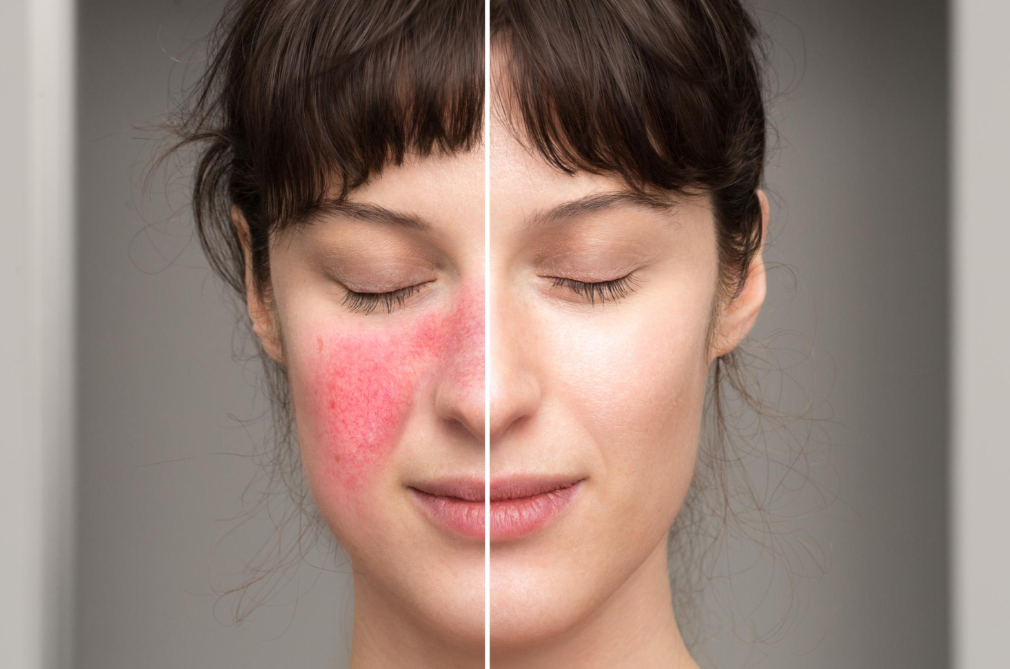
Rosacea In Manchesteris a common yet often misunderstood skin condition that affects thousands of people across the UK, including those in Manchester. Characterized by persistent redness, visible blood vessels, and sometimes bumps or pimples, rosacea can have a significant impact on confidence and daily life. Understanding the symptoms, triggers, and treatment options is essential for managing this condition effectively. At SLA Medical Clinic, patients in Manchester receive expert guidance and tailored care for rosacea.
What Is Rosacea?
Rosacea is a chronic inflammatory skin condition that primarily affects the face, particularly the cheeks, nose, forehead, and chin. It is more common in fair-skinned individuals and often develops in adults aged 30 to 50. Unlike temporary flushing, rosacea tends to persist and can gradually worsen over time if left untreated.
The exact cause of rosacea remains unclear, but it is linked to a combination of genetic, environmental, and immune system factors. While it is not contagious, understanding triggers and early symptoms can make a significant difference in managing flare-ups.
Common Symptoms of Rosacea
Recognizing the signs of rosacea early is key to controlling the condition. Symptoms can vary in severity and often progress through stages.
Persistent Facial Redness
The most common symptom is a constant redness across the central part of the face. This redness often resembles a blush or sunburn and can be mistaken for other skin issues.
Visible Blood Vessels
Tiny blood vessels, known as telangiectasia, can appear on the surface of the skin, especially on the cheeks and nose. These vessels give the skin a flushed or blotchy appearance.
Bumps and Pimples
Rosacea may cause small red bumps or pus-filled pimples, which can resemble acne. Unlike acne, rosacea rarely involves blackheads or whiteheads.
Skin Thickening
In some cases, prolonged rosacea can lead to thickened skin, particularly around the nose, a condition called rhinophyma. This is more common in men but can affect anyone.
Eye Irritation
Ocular rosacea affects the eyes and eyelids, leading to dryness, redness, itching, and watery eyes. Some patients may experience a burning or gritty sensation in the eyes.
Factors That Trigger Rosacea
Certain environmental and lifestyle factors can aggravate rosacea. Identifying personal triggers is essential to minimize flare-ups. Common triggers include:
- Hot beverages and spicy foods
- Alcohol consumption, especially red wine
- Extreme temperatures or sudden temperature changes
- Sun exposure
- Stress and emotional factors
- Certain skincare products containing alcohol or harsh chemicals
Diagnosis of Rosacea in Manchester
Accurate diagnosis is the first step toward effective management. At SLA Medical Clinic, dermatology specialists in Manchester assess rosacea through a detailed examination of the skin, medical history, and symptom patterns.
Since rosacea can resemble other conditions such as eczema, acne, or lupus, professional assessment is crucial to ensure proper treatment. Early intervention can prevent the condition from progressing and reduce the severity of symptoms.
Treatment Options for Rosacea
While there is no permanent cure for rosacea, several treatments can control symptoms and improve the appearance of the skin.
Topical Treatments
Prescription creams and gels can reduce inflammation and redness. Common topical medications include metronidazole, azelaic acid, and ivermectin.
Oral Medications
For more severe cases, oral antibiotics such as doxycycline may be prescribed to reduce inflammation and treat bumps or pimples.
Laser and Light Therapies
Advanced laser treatments target visible blood vessels and persistent redness, improving overall skin texture and tone. SLA Medical Clinic in Manchester offers tailored laser therapies designed for patients with rosacea.
Skincare and Lifestyle Adjustments
Gentle skincare routines using non-irritating products can help manage rosacea. Daily sun protection and avoiding known triggers are also essential steps in reducing flare-ups.
Living with Rosacea in Manchester
Managing rosacea requires a combination of professional care and personal adjustments. Patients in Manchester can benefit from regular consultations at SLA Medical Clinic, where dermatologists provide ongoing support and guidance.
By adopting trigger-avoidance strategies, using appropriate skincare products, and following prescribed treatments, most people can significantly reduce symptoms and maintain healthy, clear skin.
When to Seek Professional Help
If you experience persistent redness, bumps, or eye irritation, consulting a specialist is vital. Early diagnosis and treatment can prevent complications and improve long-term outcomes. SLA Medical Clinic in Manchester offers expert consultations and customized treatment plans for individuals struggling with rosacea.
Conclusion
Rosacea is a manageable skin condition with the right approach. Understanding the symptoms, identifying triggers, and seeking professional care are key steps in controlling the condition. Residents of Manchester can rely on the expertise of SLA Medical Clinic to receive tailored care and effective solutions for rosacea, helping them achieve clearer, healthier skin.
