

Motorcycle culture represents a deeply rooted social and historical movement that extends far beyond transportation. Originating in the early 20th century and evolving through post-war subcultures, it has shaped identity, rebellion, craftsmanship, and style. Modern rider fashion is a direct reflection of this legacy, blending functionality with symbolic expression.
Rider apparel today is not merely protective gear; it serves as a visual language that communicates affiliation, experience, and personal values. From rugged leather silhouettes to advanced synthetic materials, motorcycle fashion continues to evolve alongside technological advancements and shifting cultural norms.
This article provides a comprehensive analysis of how motorcycle culture influences modern rider fashion, with a focused examination of garments such as the custom motorcycle vest and the textile motorcycle vest. It explores historical foundations, material innovations, cultural symbolism, and best practices in contemporary gear selection.
The Historical Foundations of Motorcycle Fashion
Post-War Influence and Identity Formation
Motorcycle culture gained prominence after World War II when returning soldiers sought camaraderie and adrenaline. Surplus military gear, including leather jackets and boots, became the foundation of early rider fashion. These garments were durable, protective, and readily available.
Over time, motorcycle clubs adopted distinctive aesthetics to signify membership and hierarchy. The vest emerged as a central garment, used to display patches, insignias, and club affiliations. This tradition persists in modern rider culture.
Hollywood and Media Impact
Films such as The Wild One (1953) popularized the rebellious biker image, embedding leather vests, denim, and boots into mainstream consciousness. Media representation played a significant role in transforming functional gear into fashion statements.
Core Elements of Modern Rider Fashion
Functionality Meets Aesthetics
Modern motorcycle apparel is designed to balance two primary objectives: protection and expression. On one hand, it must provide essential safety features such as abrasion resistance, impact absorption, and protection against varying weather conditions. On the other hand, it serves as a medium for personal identity, allowing riders to reflect their cultural affiliations, individuality, and stylistic preferences. This dual-purpose approach has driven the diversification of materials and designs, resulting in gear that seamlessly combines functionality with aesthetic appeal.
The Role of the Vest in Rider Identity
The vest remains one of the most culturally significant garments in motorcycle fashion. It serves as both protective layering and a symbolic canvas.
Custom Motorcycle Vest: Cultural Expression and Personalization
A custom motorcycle vest represents the pinnacle of individuality within rider fashion. It allows riders to tailor their gear to reflect personal identity, club affiliation, or aesthetic preference.
Professionally crafted custom vests often incorporate:
- Premium leather or hybrid materials
- Reinforced stitching for durability
- Custom embroidery or patch placement
- Adjustable fits for comfort during long rides
From a practical standpoint, customization ensures optimal fit and usability. From a cultural perspective, it reinforces the rider’s place within the broader motorcycle community.
For specialized designs and builder-focused options, explore the custom motorcycle vest collection.
Real-World Application
In professional riding environments, such as long-distance touring or club riding, custom vests are used to:
- Display club colors and rankings
- Enhance storage through tailored pocket configurations
- Improve comfort through personalized sizing
This integration of utility and identity demonstrates how deeply culture influences design.
Textile Motorcycle Vest: Innovation and Performance
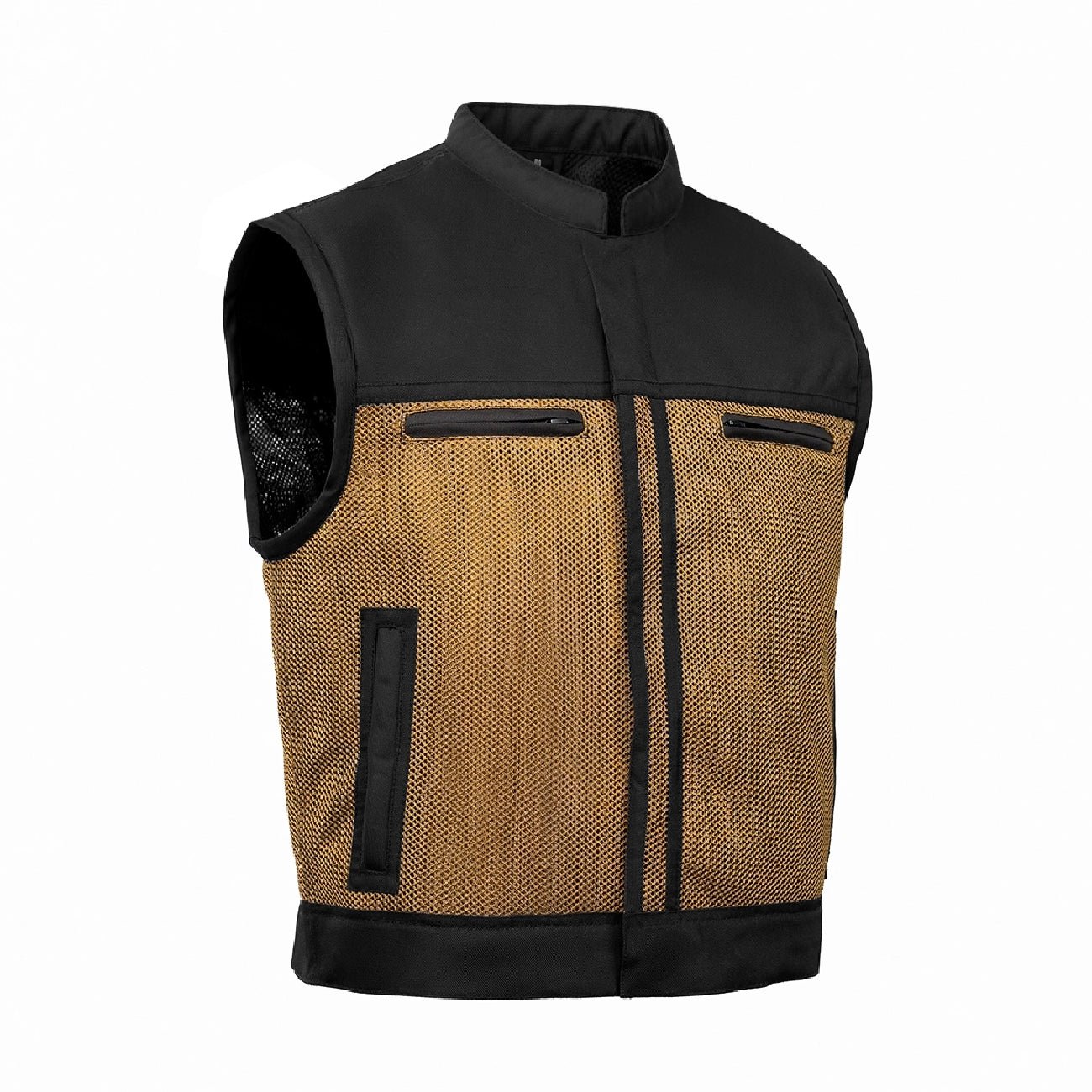
The textile motorcycle vest reflects the industry’s shift toward advanced materials and performance-oriented design. Unlike traditional leather, these vests are constructed using engineered fabrics such as Cordura®, known for its high abrasion resistance, Kevlar® blends that enhance impact and tear resistance, and strategically placed mesh panels that improve ventilation and breathability. This combination of materials enables textile vests to deliver enhanced comfort, durability, and climate adaptability, making them a practical choice for modern riders.
These vests are particularly suited for:
- Hot climates
- Long-distance touring
- Urban commuting
Explore modern performance options in the textile motorcycle vest category.
Advantages Over Traditional Materials
Textile motorcycle vests offer several practical advantages that make them highly suitable for modern riding conditions. They are significantly lighter than traditional leather, which helps reduce rider fatigue during long journeys. In addition, they provide improved airflow and moisture management, allowing for better temperature regulation in varying weather conditions. Many designs also incorporate enhanced safety features, including integrated armor pockets and reflective elements that improve visibility and protection. Together, these benefits illustrate how textile vests embody technological innovation while continuing to align with the cultural and functional demands of contemporary rider fashion.
Cultural Symbolism in Rider Apparel
Patches, Colors, and Insignia
Motorcycle vests often feature patches that convey:
- Club membership
- Rank or role within a group
- Personal achievements or beliefs
This system of visual communication is deeply embedded in motorcycle culture and continues to influence modern fashion design.
Minimalism vs. Tradition
Contemporary riders may adopt minimalist styles, focusing on clean lines and subtle branding. However, traditionalists maintain heavily adorned vests, preserving historical aesthetics.
Industry Standards and Safety Considerations
Protective Requirements
According to established safety guidelines in motorcycle apparel design:
- Abrasion resistance is measured using standardized tests such as EN 17092
- Impact zones should accommodate CE-rated armor
- Visibility enhancements (reflective materials) improve rider safety
Both custom and textile vests can be engineered to meet these standards, depending on manufacturer quality and design intent.
Expert Insights & Best Practices
Selecting the Right Vest
Professionals recommend evaluating the following factors:
1. Riding Environment
Riding requirements vary significantly between urban commuting and long-distance touring, making it essential to choose gear that aligns with the intended use. Urban commuting typically demands lightweight, flexible apparel that allows quick mobility and comfort during shorter rides, while long-distance touring requires enhanced durability, storage options, and sustained comfort for extended periods on the road.
In addition, climate conditions such as heat, rain, and cold play a critical role in gear selection, as riders must ensure adequate ventilation in hot weather, water resistance in rainy conditions, and insulation in colder environments to maintain safety and comfort.
2. Material Selection
- Leather for durability and tradition
- Textile for versatility and performance
3. Fit and Ergonomics
Proper torso coverage is essential to ensure adequate protection of vital areas during riding, while maintaining freedom of movement for handling controls effectively. A well-designed vest should provide sufficient coverage without restricting the rider’s mobility, allowing smooth operation of the motorcycle and maintaining comfort over extended periods.
4. Layering Compatibility
The ability to wear a vest over jackets or hoodies enhances its versatility, allowing riders to layer their gear according to changing weather conditions and personal comfort preferences. This layering capability also supports seasonal adaptability, enabling the vest to be used effectively in both colder and warmer environments without compromising functionality or style.
Maintenance and Longevity
Leather vests require regular conditioning to prevent drying and cracking, ensuring the material remains durable and flexible over time. Textile vests, on the other hand, benefit from routine cleaning to preserve fabric integrity and maintain their performance characteristics. In both cases, proper storage—such as keeping garments in a cool, dry environment away from direct sunlight—plays a crucial role in extending their overall lifespan.
Common Mistakes and Misconceptions
Prioritizing Style Over Safety
Some riders choose vests based solely on appearance, neglecting protective features.
Assuming All Materials Offer Equal Protection
Leather and textile materials vary significantly in performance depending on construction and quality.
Incorrect Fit
An ill-fitting vest can reduce both comfort and protective effectiveness.
Misconception: Textile Gear Is Inferior to Leather
Modern textile materials often match or exceed leather in specific performance metrics, particularly in ventilation and flexibility.
Conclusion
Motorcycle culture continues to exert a profound influence on modern rider fashion, shaping both the aesthetic and functional aspects of apparel. The evolution from traditional leather garments to advanced textile designs reflects a broader shift toward performance, safety, and personalization.
Garments such as the custom motorcycle vest and textile motorcycle vest exemplify this intersection of heritage and innovation. They demonstrate how riders balance identity, practicality, and technological advancement in their clothing choices.
As motorcycle culture evolves, rider fashion will continue to adapt—preserving its symbolic roots while embracing new materials and design philosophies. This dynamic interplay ensures that motorcycle apparel remains both culturally significant and functionally relevant in the modern era.
FAQs
What defines motorcycle fashion in modern contexts?
Motorcycle fashion is defined by the integration of protective functionality with cultural expression, influenced by historical traditions and modern innovation.
Why is the vest considered a key garment in rider culture?
The vest serves as both a protective layer and a symbolic platform for identity, often displaying patches and affiliations.
Are custom motorcycle vests suitable for everyday riding?
Yes, provided they are constructed with durable materials and meet safety standards.
How does motorcycle culture influence design choices?
Cultural elements such as club traditions, symbolism, and historical aesthetics directly shape garment design and usage.
Can textile vests provide adequate protection?
High-quality textile vests with reinforced fabrics and armor compatibility can provide substantial protection.
What factors should be considered when choosing a vest?
Key considerations include material, fit, riding environment, and safety features.

1 Comment
Pingback: Best Motorcycle Vests for Hot Weather Riding - Gettonews