

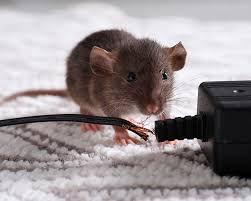
Maintaining a clean and pest-free environment is crucial for any business. Pests such as rodents, cockroaches, flies, and termites can damage property, contaminate products, and pose serious health risks to employees and customers. Commercial pest control provides professional solutions to protect businesses, safeguard public health, and preserve company reputation.
The first step in effective commercial pest control is a detailed inspection. Trained technicians assess the facility for signs of infestation, potential entry points, and areas prone to pest activity. They evaluate structural vulnerabilities, sanitation practices, and storage areas to develop a comprehensive plan tailored to the specific needs of the business. Accurate identification of pest problems ensures that treatment is targeted and effective.
Commercial pest control services cover a wide range of industries, including restaurants, offices, warehouses, hotels, hospitals, and retail stores. Each industry faces unique challenges, requiring customized solutions. For example, food establishments must comply with strict health regulations, making pest control essential for both safety and legal compliance. Similarly, offices and retail stores require discreet, efficient methods that do not disrupt daily operations.
A key advantage of professional commercial pest control is targeted treatment strategies. Experts use a combination of chemical, mechanical, and eco-friendly solutions to eliminate pests effectively. These strategies focus not only on current infestations but also on preventing future problems. From baiting systems for rodents to insect sprays for flies and cockroaches, each treatment is carefully selected based on the type of pest and the business environment.
Safety is a top priority in commercial pest control. Licensed professionals apply products in a manner that protects employees, customers, and the surrounding environment. Many companies offer environmentally friendly treatments that minimize chemical exposure while maintaining effectiveness. Proper application techniques ensure compliance with safety standards and reduce the risk of accidental contamination or harm.
Preventive measures play a critical role in commercial pest control. Professionals provide guidance on improving sanitation, sealing entry points, organizing storage areas, and eliminating factors that attract pests. Implementing these preventive strategies helps businesses maintain a long-term barrier against infestations, reducing operational disruptions and costly repairs.
Ongoing maintenance is another benefit of professional commercial pest control. Many services offer scheduled inspections and treatments to monitor for pest activity and address emerging issues before they escalate. Regular visits ensure that businesses remain compliant with industry regulations, protect their reputation, and provide a safe environment for employees and clients.
Investing in commercial pest control is also cost-effective. Addressing pest problems early prevents structural damage, product loss, and potential legal issues associated with health code violations. Professional services save businesses both time and money by providing efficient, long-lasting solutions rather than repeated temporary fixes.
In conclusion, commercial pest control is essential for maintaining a safe, hygienic, and professional business environment. Through thorough inspections, customized treatment plans, preventive measures, and ongoing maintenance, professional services protect property, employees, and customers from the risks associated with pests. By partnering with experienced pest control experts, businesses can ensure operational continuity, uphold public trust, and create a clean and secure environment that supports growth and success.
