

Sacramento is the center of the California state government. Thousands of private companies hold contracts to provide services, technology, consulting, and support to state agencies. These contractors operate under requirements that extend beyond typical business security concerns.
Government contractors must meet specific compliance standards. They handle sensitive information. They maintain facilities that interface with state operations. Their security posture directly affects their ability to win and retain contracts.
Here is what Sacramento government contractors should understand about security planning.
Understand Your Contractual Obligations
Government contracts include security requirements that vary based on the nature of the work, the sensitivity of information involved, and the agencies served. Before developing a security plan, review your contract language carefully. Identify specific requirements, reporting obligations, and audit procedures. Your security program must address each requirement explicitly.
A qualified security company Sacramento contractors work with should understand government compliance frameworks and help translate contract language into operational security measures.
Classify Information and Access Levels
Government work often involves information that requires protection. This might include personal data of California residents, proprietary information from state systems, or pre-decisional policy documents.
Establish clear classification levels for the information your company handles. Determine which employees need access to which categories. Implement access controls that limit exposure to those with legitimate need.
Physical security supports information protection. Secure areas where sensitive work occurs should have controlled access, visitor-escort requirements, and clean-desk policies. Server rooms and document storage areas need additional protection.
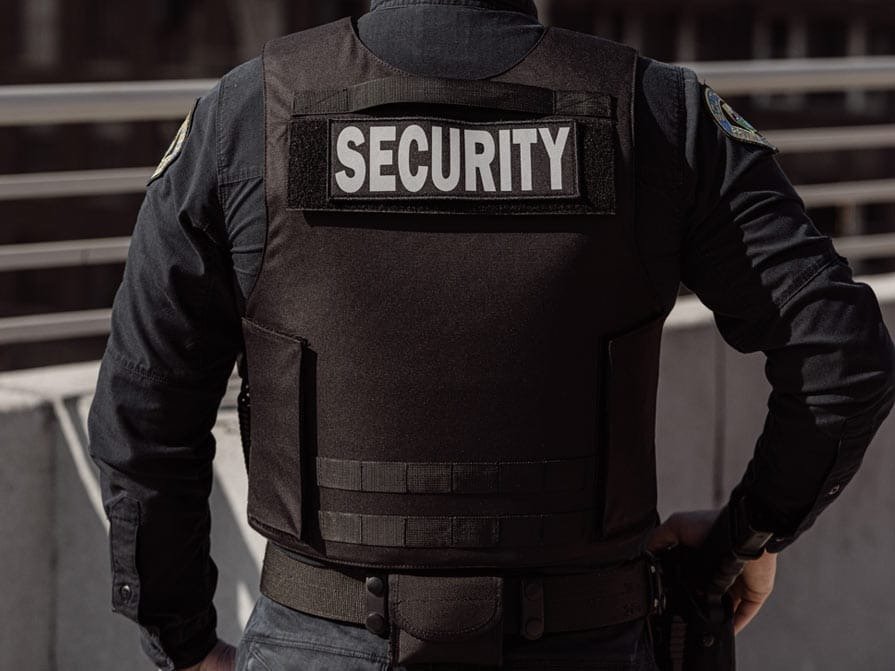
Security guard services Sacramento providers offer can support these requirements with officers trained in access control procedures, visitor management, and secure facility protocols.
Implement Personnel Security Measures
Employees are often the greatest security variable. Government contractors must verify that personnel with access to sensitive information are trustworthy and that their access is appropriate.
This begins with hiring. Background investigations for employees in sensitive positions should include criminal history checks, employment verification, and reference interviews. Some contracts require fingerprinting or more extensive investigations.
Ongoing personnel security includes regular reviews of access privileges, termination procedures that immediately revoke access, and training programs that reinforce security awareness. Employees should understand their obligations and the consequences of security violations.
Establish Physical Security Baselines
Government contractors need physical security measures appropriate to their risk profile. Baseline requirements typically include:
- Controlled building access with badge or key card systems
- Visitor sign-in procedures and escort requirements
- After-hours security coverage through patrols or monitoring
- Intrusion detection systems for sensitive areas
- Camera coverage of entry points and high-value locations
Security guard services Sacramento contractors rely on should understand the specific requirements of government contracting environments. Officers need training in access control procedures, document handling, and incident reporting that meets government standards.
Prepare for Audits and Inspections
Government agencies audit contractor security. These reviews verify that contractors meet their contractual obligations and that security measures function as described.
Prepare for audits by maintaining documentation. Access logs, training records, incident reports, and security procedure manuals should be organized and accessible. When auditors arrive, you should be able to demonstrate compliance with every contractual requirement.
Plan for Incident Response
Security incidents at government contractor facilities carry additional reporting obligations. Data breaches, unauthorized access, and security violations may require notification to contracting agencies.
Establish clear incident response procedures. Define what constitutes a reportable incident. Identify who within your organization makes reporting decisions. Document every incident thoroughly. Government agencies expect detailed reports that describe what happened, how it was discovered, what response actions were taken, and what measures will prevent recurrence.
Integrate Security with Business Operations
Security requirements should not paralyze operations. Effective contractor security integrates protection with workflow, enabling employees to do their jobs while maintaining compliance.
This requires balance. Access controls must be strong enough to satisfy contract requirements but efficient enough that employees can work productively. Visitor procedures must screen appropriately without creating delays that frustrate clients and partners.
Work with your security company Sacramento government contractors trust to find this balance. Experienced providers understand how to implement rigorous security without unnecessary operational friction.
