

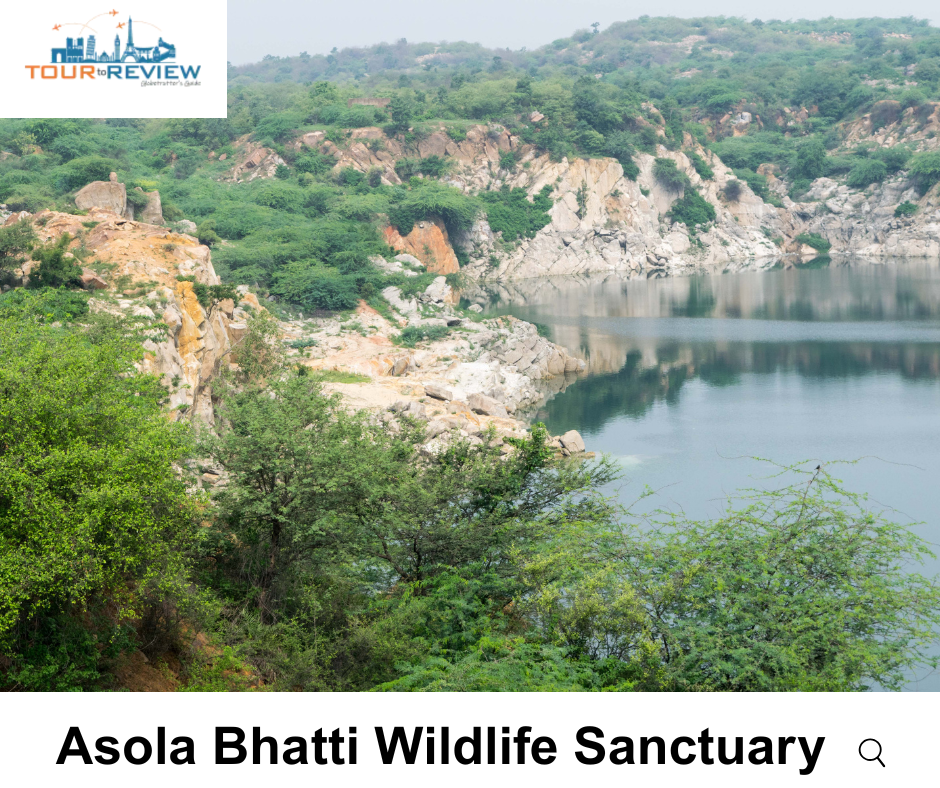
In the heart of the bustling National Capital Region lies a sprawling oasis of green that serves as the lungs of Delhi. The asola bhatti wildlife sanctuary, covering approximately 32 square kilometers on the southern ridge of the Aravalli hill range, is a testament to the resilience of nature. Once a site of extensive mining and environmental degradation, this sanctuary has undergone a remarkable transformation into a thriving ecosystem. Today, it stands as a critical carbon sink and a sanctuary for diverse flora and fauna, offering city dwellers a rare opportunity to experience untamed wilderness just a stone’s throw from the urban sprawl.
For anyone looking to escape the concrete jungle, the asola bhatti wildlife sanctuary provides a perfect retreat. Its geography is characterized by rocky outcrops, thorny scrub forests, and hidden seasonal lakes that have formed in abandoned mining pits. These landscapes are not just visually stunning but are ecologically vital, acting as a buffer against the rising temperatures and air pollution of the surrounding metropolitan areas. Whether you are a dedicated naturalist or a weekend explorer, the sanctuary offers an immersive journey into the natural heritage of the ancient Aravallis.
The Rich Biodiversity of asola bhatti wildlife sanctuary
The sheer variety of life found within the asola bhatti wildlife sanctuary is staggering. It is a key segment of the Northern Aravalli Leopard Wildlife Corridor, facilitating the movement of big cats between Delhi, Gurugram, and Faridabad. While leopards are the apex predators here, the sanctuary is also home to a variety of other mammals. Visitors frequently spot the Nilgai (India’s largest antelope), golden jackals, striped hyenas, and blackbucks. Small mammals like the rhesus macaque, porcupine, and black-naped hare also thrive in the dense undergrowth.
Birdwatchers consider the asola bhatti wildlife sanctuary a paradise. With over 200 species of resident and migratory birds recorded, every visit offers something new. During the winter months, the sanctuary welcomes guests like the bar-headed goose and various flycatchers. Resident stars include the Indian Eagle Owl, Painted Sandgrouse, and the vibrant Purple Sunbird. The presence of the Dr. Salim Ali Bird Interpretation Centre further enhances the experience, providing educational insights into avian behavior and the importance of habitat preservation.
Neeli Jheel: The Blue Gem of the Ridge
One of the most iconic landmarks within the asola bhatti wildlife sanctuary is Neeli Jheel. This “Blue Lake” was formed in the deep depressions left behind by historical stone quarrying. Over time, rainwater filled these pits, creating a stunning azure water body that now serves as a crucial watering hole for the sanctuary’s inhabitants. The stark contrast between the bright blue water and the rugged, earthy tones of the quartzite cliffs makes Neeli Jheel a favorite spot for nature photographers.
Beyond its beauty, Neeli Jheel plays a pivotal role in the local ecology of the asola bhatti wildlife sanctuary. It helps in recharging the groundwater table and supports a variety of aquatic life and amphibians. During the early morning hours, the area around the lake is alive with the calls of waterfowls and the rustle of animals coming for a drink. It is a serene reminder of how nature can reclaim and beautify spaces once scarred by industrial activity.
Conservation and Education: The Role of the CEC
At the heart of the sanctuary’s mission is the Conservation Education Centre (CEC). Run in collaboration with the Bombay Natural History Society (BNHS) and the Delhi Forest Department, the CEC is the nerve center for environmental awareness within the asola bhatti wildlife sanctuary. The center organizes specialized programs such as “Breakfast with Butterflies” and “Brunch with Birds,” aimed at sensitizing the public to the delicate balance of the ecosystem.
The asola bhatti wildlife sanctuary is home to over 90 species of butterflies, including the Common Mormon and Plain Tiger. The Butterfly Park, managed by the CEC, is a major attraction where visitors can witness the entire lifecycle of these colorful insects among native nectar plants. Educational nature trails winding through the scrub forest allow students and enthusiasts to identify indigenous trees like the Dhau and Kumtha, which have adapted specifically to the semi-arid conditions of the ridge.
Planning Your Visit: Tips and Essentials
If you are planning an excursion to the asola bhatti wildlife sanctuary, timing is key. The sanctuary is typically open from Tuesday to Sunday, starting as early as 6:00 AM. Early morning visits are highly recommended for the best wildlife sightings and to avoid the midday heat. It is essential to carry water and wear sturdy walking shoes, as the terrain can be rocky and uneven.
As a protected area, the asola bhatti wildlife sanctuary maintains strict rules to ensure the safety of both visitors and wildlife. Plastic usage is discouraged, and visitors are expected to maintain silence to avoid disturbing the animals. For those traveling from Delhi or Noida, the Tughlakabad and Qutub Minar metro stations are the nearest transit points. Booking tickets in advance through the official forest department portal is often required for specific zones like the Neeli Jheel or the Butterfly Park.
The Ecological Significance of the Southern Ridge
The asola bhatti wildlife sanctuary is more than just a picnic spot; it is a vital organ in the environmental health of Northern India. By preserving this segment of the Southern Ridge, the sanctuary prevents the encroachment of the desert and helps regulate the local microclimate. The dense thorny scrub vegetation is expertly adapted to the rocky soil, preventing erosion and facilitating the seepage of rainwater into the earth.
In an era of rapid urbanization, the asola bhatti wildlife sanctuary serves as a beacon of hope for urban forestry. It proves that with dedicated conservation efforts, degraded lands can be restored to their former glory. Protecting this sanctuary means protecting the air we breathe and the water we drink. As we move forward into 2026 and beyond, supporting the asola bhatti wildlife sanctuary is a commitment to a greener, more sustainable future for the entire National Capital Region.
Key Takeaways for Explorers:
- Best Time to Visit: October to March for pleasant weather and migratory birds.
- Must-See Spots: Neeli Jheel, Butterfly Park, and the Dr. Salim Ali Interpretation Centre.
- Wildlife to Watch For: Nilgai, Jackals, Peacocks, and the elusive Leopard.
- Activities: Nature photography, guided trekking, and birdwatching tours.
Experience the raw, unfiltered beauty of the asola bhatti wildlife sanctuary and discover why it remains Delhi’s most cherished natural treasure. Whether you’re navigating the hidden trails or sitting quietly by the lake, the sanctuary offers a sense of peace that only the true wilderness can provide.
