

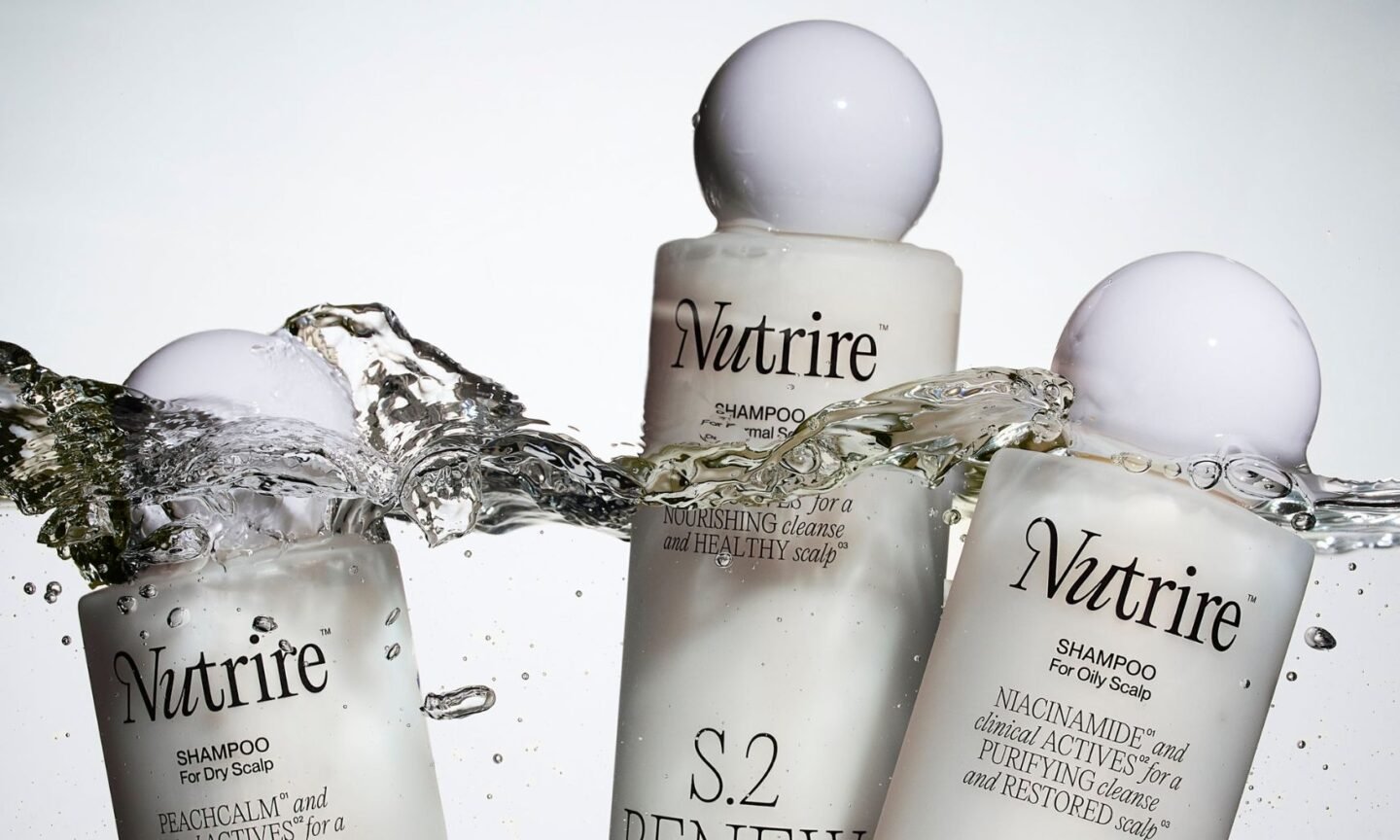
Healthy hair doesn’t happen by chance. It’s the result of consistent care, the right products, and understanding what your hair truly needs. Many people struggle with dryness, breakage, and dullness, often not realizing that the solution could be as simple as choosing the right conditioner. A restorative conditioner is designed to go beyond basic hydration, helping repair and strengthen damaged strands from within. Whether your hair is affected by heat styling, environmental stress, or chemical treatments, the right approach can make a noticeable difference over time.
What Is a Restorative Conditioner?
Hair damage can happen for many reasons. Heat tools like straighteners and curling irons weaken the hair shaft over time, while chemical treatments strip away natural moisture. This is exactly where a restorative conditioner becomes essential, as it helps replenish lost nutrients and supports the natural repair process. Instead of just masking the damage, it works gradually to improve hair health from the inside out.
Why Hair Needs Restoration
Hair damage can happen for many reasons. Heat tools like straighteners and curling irons weaken the hair shaft over time. Chemical treatments such as coloring or relaxing can strip away natural moisture. Even environmental factors like sun exposure and pollution play a role.
This is where a restorative conditioner becomes essential. It helps replenish lost nutrients and supports the natural repair process. Instead of just masking the damage, it works gradually to improve hair health from the inside out.
Key Benefits of Using a Restorative Conditioner
One of the main advantages of using a restorative conditioner is improved strength. Weak strands are more prone to breakage, but consistent use can make them more durable. Over time, hair feels thicker and looks healthier.
Another benefit is deep hydration. Dry hair often appears dull and lifeless. A restorative conditioner helps lock in moisture, giving hair a softer and more vibrant appearance. It also improves manageability, making it easier to comb and style.
Additionally, it can enhance shine. When the hair cuticle is smooth and nourished, it reflects light better. This results in a natural, healthy glow without needing extra styling products.
How to Use a Restorative Conditioner Effectively
To get the best results from a restorative conditioner, it’s important to use it correctly. Start by washing your hair with a gentle shampoo to remove dirt and buildup. After rinsing, apply the conditioner evenly from mid-length to the ends.
Leave the restorative conditioner in your hair for a few minutes to allow the ingredients to penetrate deeply. Avoid applying too much near the scalp, as this can make hair feel heavy. Rinse thoroughly with lukewarm water.
For better results, consider using a restorative conditioner two to three times a week, depending on your hair type and level of damage. Consistency is key when it comes to seeing noticeable improvement.
Choosing the Right Restorative Conditioner
Not all hair types are the same, so selecting the right restorative conditioner is important. If your hair is fine, look for lightweight formulas that won’t weigh it down. For thick or curly hair, richer and more moisturizing options may work better.
Pay attention to ingredients. Proteins help rebuild damaged strands, while natural oils like argan or coconut oil provide hydration. Avoid products with harsh chemicals that may cause further damage over time.
Reading labels and understanding your hair’s needs can make a big difference in choosing the most effective restorative conditioner for your routine.
Common Mistakes to Avoid
While a restorative conditioner can be highly beneficial, using it incorrectly may limit its effectiveness. One common mistake is applying too much product. This can lead to buildup and make hair feel greasy instead of nourished.
Another mistake is not leaving the conditioner on long enough. A restorative conditioner needs time to work, so rinsing it out too quickly reduces its impact. Also, using it inconsistently may prevent you from seeing long-term results.
It’s also important not to rely solely on conditioner for hair health. A balanced routine that includes gentle cleansing and minimal heat styling will support better results.
Natural Ways to Boost Results
In addition to using a restorative conditioner, there are simple habits that can enhance your hair’s health. Reducing heat styling and allowing your hair to air dry can prevent further damage. Using a wide-tooth comb helps minimize breakage when detangling.
Regular trimming also plays a role. Removing split ends prevents damage from traveling up the hair shaft. Pairing these habits with a good restorative conditioner creates a more effective overall routine.
Who Should Use a Restorative Conditioner?
A restorative conditioner is suitable for anyone experiencing hair damage or dryness. It’s especially useful for people who frequently style their hair or undergo chemical treatments. Even those with naturally dry hair can benefit from its nourishing properties.
If your hair feels rough, looks dull, or breaks easily, adding a restorative conditioner to your routine can help restore balance. Over time, you’ll likely notice improved texture and strength.
Final Thoughts
Taking care of your hair doesn’t have to be complicated. Sometimes, the right product can make all the difference. A restorative conditioner offers more than just surface-level benefits, working to repair and strengthen hair from within.
By using a restorative conditioner consistently and following a simple, healthy hair care routine, you can gradually bring your hair back to life. Stronger, softer, and more manageable hair is achievable with the right approach and a little patience.
