

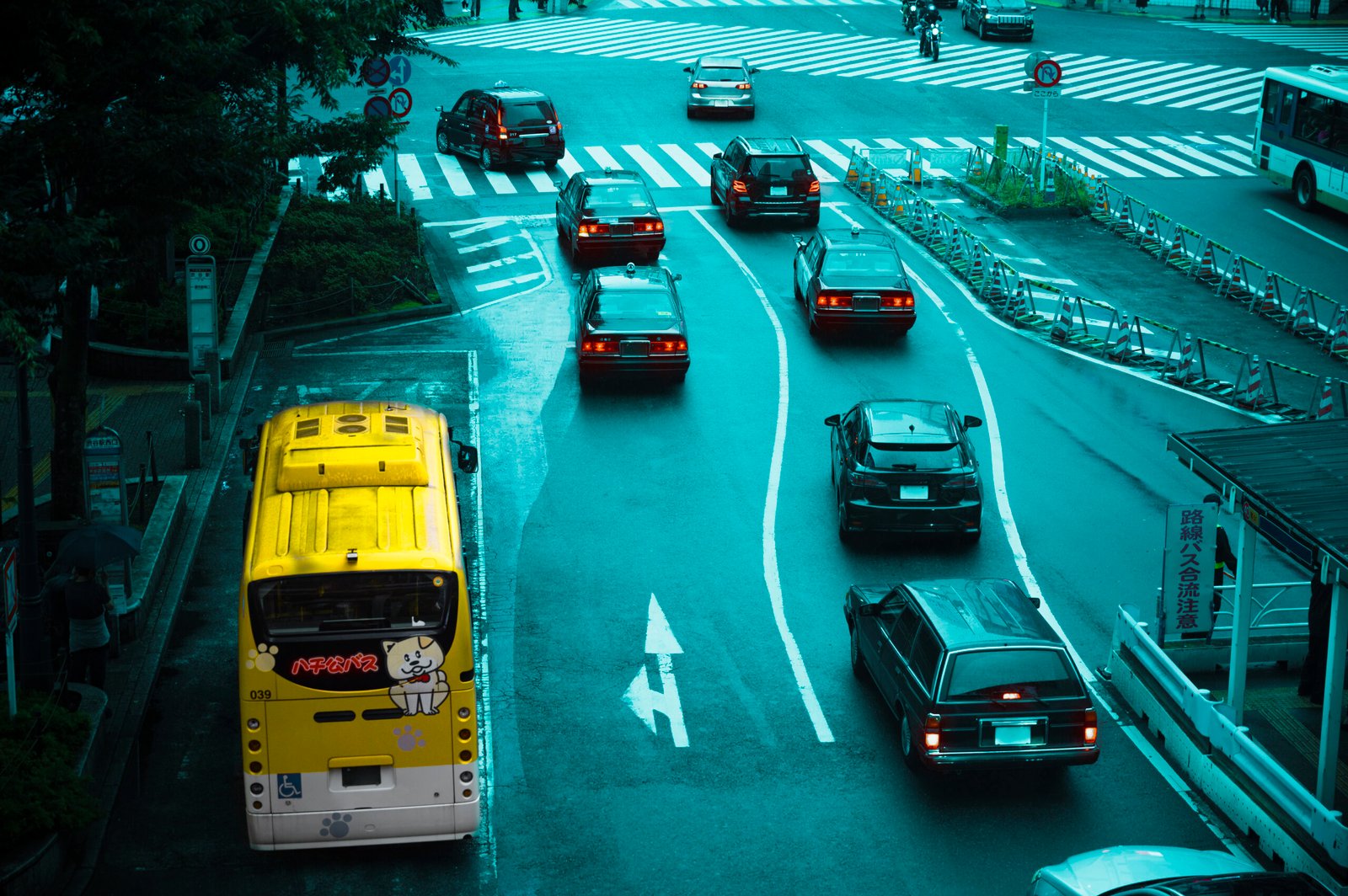
Managing traffic is not just about putting out cones and signs. It is about keeping people safe, helping traffic flow smoothly, and ensuring communities stay connected while work is underway.
In Tasmania, this is very important. There are many types of places, like busy streets in Hobart, long highways and quiet rural roads. Each area is different, so traffic needs to be managed in the right way.
Whether it is roadworks, building projects or local events, having a clear traffic plan helps everyone. It keeps workers safe and makes it easier for drivers and pedestrians to know where to go.
Why Traffic Management Matters
At its core, traffic management is about reducing risk. When vehicles, pedestrians, and work zones intersect, the potential for accidents increases. A proper system ensures everyone knows where to go, what to expect, and how to stay safe.
Beyond safety, effective traffic management also helps minimise disruption. Road users are more patient and cooperative when delays are predictable and clearly communicated. For businesses and local communities, this can make a significant difference during ongoing works.
Understanding Tasmania’s Unique Challenges
Tasmania presents a unique set of conditions that influence how traffic is managed. The state’s road network includes everything from narrow rural roads to high-traffic urban areas. Add in changing weather conditions, wildlife crossings, and seasonal tourism peaks, and it becomes clear why tailored solutions are necessary.
In regional areas, visibility and road width can be limiting factors. Meanwhile, in cities, congestion and pedestrian activity require more structured planning. This is where specialised approaches to traffic management in Tasmania projects come into play, ensuring strategies are adapted to suit local conditions.
Key Components of an Effective Traffic Management Plan
A well-designed traffic management plan (TMP) doesn’t happen by chance. It’s built on careful assessment and planning. Here are the main elements that go into it:
1. Risk Assessment
Before starting any work, it’s important to look for possible dangers. This can include how busy the road is, how fast cars are going, nearby turns, and even weather or surroundings. Knowing these risks helps people make a safe plan.
2. Clear Signs and Communication
Signs and barriers should be easy to see and read. They need to be placed in the right places so drivers know where to go. Clear signs help people understand what to do and stay safe.
3. Trained Traffic Controllers
Traffic controllers are trained workers who help guide cars and people. They know what to do if something goes wrong. Their job is very important, especially in busy or dangerous areas.
4. Following the Rules
Traffic plans must follow Australian laws and local rules. This makes sure everything is done safely and the same way across all projects.
Temporary Traffic Control vs Long-Term Planning
Not all traffic management is the same. Some jobs only need a short fix, like closing a lane for road repairs. Other jobs take a long time, like big building or road projects.
Short-term setups are quick and easy to change if needed. Long-term plans take more time to design. They also need to be checked often and changed as the work goes on.
In both cases, the goal remains the same: to keep traffic flowing safely while allowing work to progress efficiently.
The Role of Technology in Modern Traffic Management
Technology is increasingly shaping how traffic is managed. From digital signage to real-time traffic monitoring, modern tools help improve both safety and efficiency.
For example, portable traffic signals can be adjusted based on traffic flow, reducing unnecessary delays. GPS tracking and data analysis also allow teams to identify problem areas and optimise plans over time.
As Tasmania continues to grow and develop, these innovations will play an even bigger role in managing traffic effectively.
Community Impact and Considerations
Traffic control is not just for drivers. It affects everyone around the area. People who live nearby and local shops can feel the change too. There may be more noise, slow traffic, or new ways to enter and leave homes or stores.
That is why it is important to tell people what is happening. Let them know early about the work. Put up clear signs to show new roads or paths. Share updates if anything changes. When people understand what is going on, they are more patient and follow the rules.
In busy places like beaches or national parks, planning is even more important. These areas get a lot of visitors, so roads can fill up fast. Good planning helps keep people safe and traffic moving without too many problems.
Choosing the Right Traffic Management Approach
Every project is different, and there’s no one-size-fits-all solution. Factors like location, traffic volume, project duration, and environmental conditions all play a role in determining the best approach.
For projects involving traffic management in Tasmania, it’s important to work with professionals who understand the local landscape and regulatory requirements. Their expertise ensures that plans are not only compliant but also practical and effective.
Final Thoughts
Traffic management helps keep roads in Tasmania safe and easy to use. As more roadworks and events happen, it becomes even more important. With good planning, trained workers and the right tools, traffic can keep moving while everyone stays safe.Whether it’s a small job on the side of the road or a big project, having a clear plan really helps. Working with experts like OnPoint TGS Plans can make sure everything runs smoothly from start to finish.
